
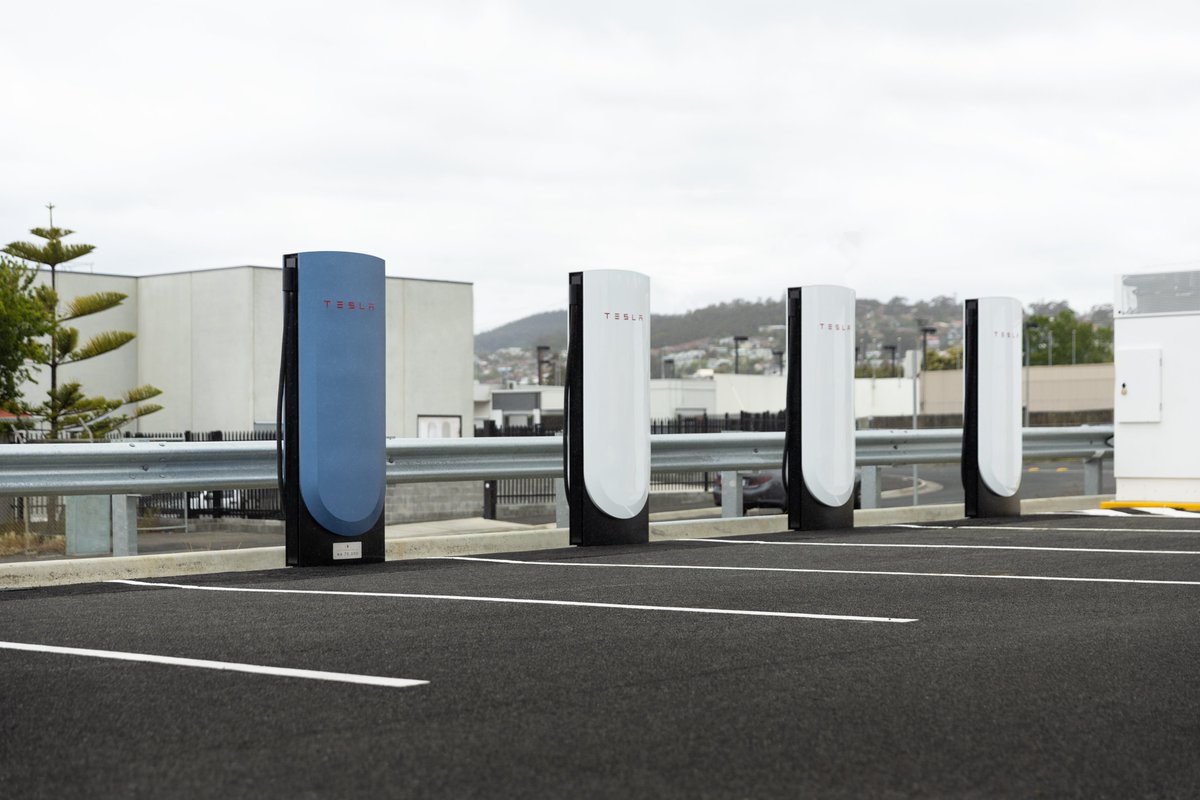
Tesla has reached a significant milestone in the electric vehicle industry by achieving 75,000 Superchargers worldwide. This achievement comes after the company added 5,000 new Superchargers in just five months, showcasing their commitment to expanding their charging infrastructure.
The rapid expansion of Tesla’s Supercharger network sets them apart from other fast-charging providers, as they continue to outpace the competition in terms of deployment and accessibility. This milestone reaffirms Tesla’s dedication to providing convenient and efficient charging solutions for their growing fleet of electric vehicles.
The announcement of the 75,000th Supercharger installation was met with excitement and praise from Tesla enthusiasts and industry experts alike. The company’s relentless focus on innovation and sustainability has positioned them as a leader in the electric vehicle market, with their Supercharger network playing a crucial role in supporting the transition to electric transportation.
Tesla’s Supercharger network is known for its reliability, speed, and user-friendly interface, making it a preferred choice for Tesla owners looking to recharge their vehicles quickly and conveniently. With the continued expansion of the Supercharger network, Tesla aims to address range anxiety and make long-distance travel more accessible and convenient for electric vehicle drivers.
In addition to expanding their Supercharger network, Tesla is also investing in new technologies and infrastructure to further enhance the charging experience for their customers. This includes the development of faster charging speeds, improved charging station designs, and the integration of renewable energy sources to power the Superchargers.
Overall, Tesla’s achievement of 75,000 Superchargers worldwide is a testament to their relentless pursuit of innovation and sustainability in the electric vehicle industry. As they continue to expand their charging infrastructure and improve the overall charging experience for their customers, Tesla is paving the way for a cleaner, more sustainable future of transportation. The world of technology is constantly evolving, with new innovations and advancements being made every day. From smartphones to smart home devices, technology has become an integral part of our daily lives. One of the most exciting developments in recent years has been the rise of artificial intelligence (AI) and machine learning.
AI and machine learning are revolutionizing the way we interact with technology, allowing for more personalized and intuitive experiences. These technologies are being used in a variety of industries, from healthcare to finance to entertainment. They are also being integrated into everyday devices, such as virtual assistants and autonomous vehicles.
One of the key benefits of AI and machine learning is their ability to analyze and interpret vast amounts of data quickly and accurately. This allows for more efficient decision-making and problem-solving, as well as the ability to predict outcomes and trends. In healthcare, for example, AI is being used to analyze medical images and data to help diagnose and treat patients more effectively. In finance, AI is being used to analyze market trends and make investment decisions.
AI and machine learning are also being used to improve the user experience of technology. Virtual assistants like Siri and Alexa use AI to understand and respond to natural language commands, making them more intuitive and user-friendly. Autonomous vehicles use machine learning to navigate and avoid obstacles, making them safer and more efficient.
As AI and machine learning continue to advance, the possibilities are endless. From personalized healthcare treatments to self-driving cars to intelligent home devices, these technologies have the potential to revolutionize the way we live and work. However, with these advancements also come ethical and privacy concerns. It is important for developers and policymakers to address these issues and ensure that AI and machine learning are used responsibly and ethically.
In conclusion, AI and machine learning are transforming the world of technology in exciting ways. With their ability to analyze data, make predictions, and improve user experiences, these technologies have the potential to revolutionize industries and improve our daily lives. As we continue to explore the possibilities of AI and machine learning, it is important to consider the ethical implications and ensure that they are used for the greater good.