
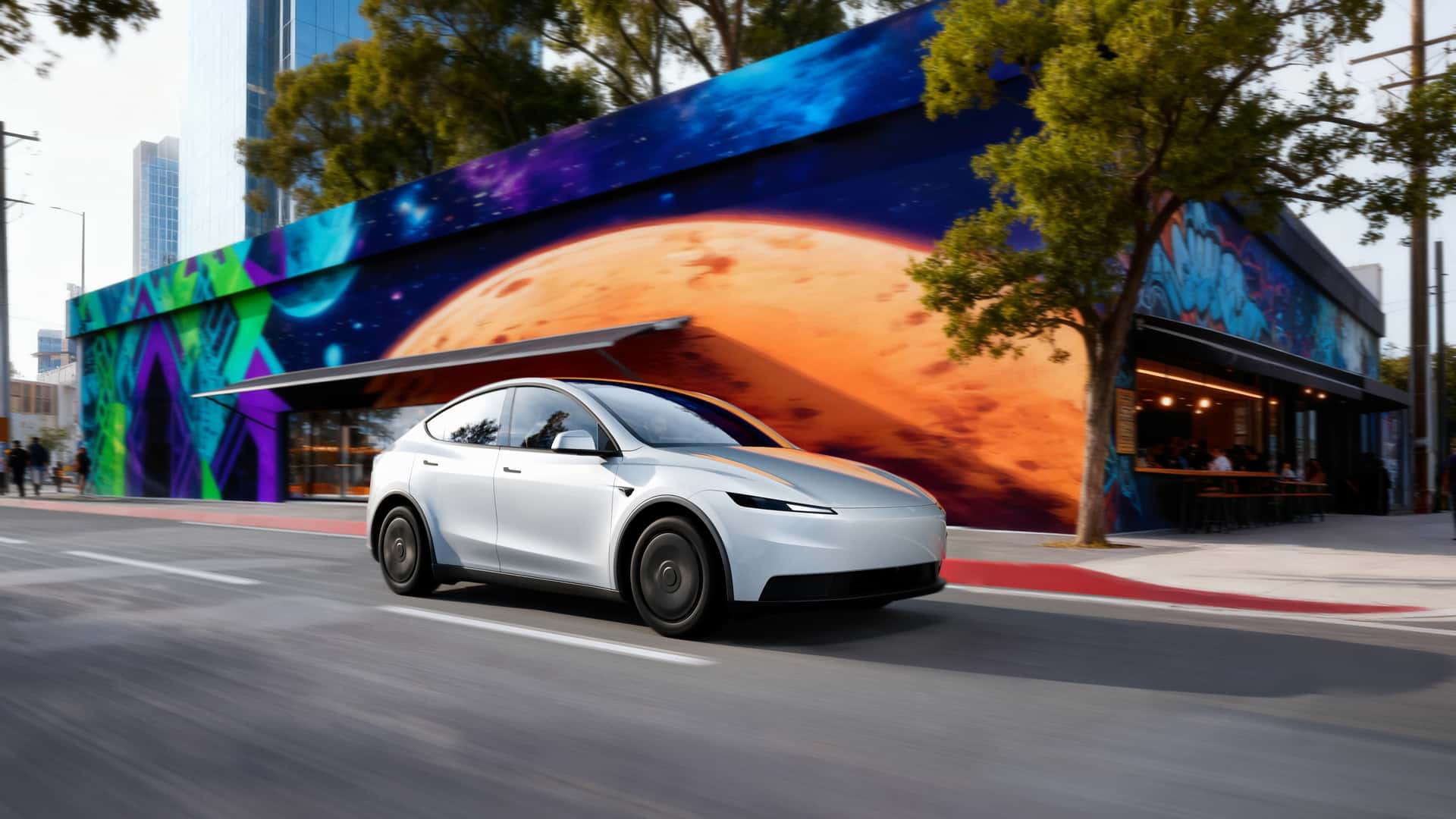
Tesla has just unveiled its new affordable versions of the Model 3 and Model Y, targeting a wider audience with simpler and cheaper options. However, these new variants are missing a crucial feature that has been a cornerstone of Tesla’s identity – the Autopilot’s lane-centering feature, Autosteer.
For the first time in years, Tesla is releasing cars without Autosteer, a surprising move considering the brand’s emphasis on advanced driver-assistance systems. Autosteer, which helps the car automatically follow lane lines, has been a key selling point for Tesla, promising a glimpse into the future of fully automated driving.
The decision to remove Autosteer from the new affordable models is puzzling, as it goes against Tesla’s mission to provide safe and sustainable transportation. While Traffic Aware Cruise Control is still included in the package, the absence of Autosteer means drivers will have to steer their cars manually, harkening back to a time before advanced driver-assistance systems became standard.
Interestingly, this move does not seem to be a hardware restriction, as owners can still opt for Tesla’s Full Self-Driving package at an additional cost. This package offers more advanced autonomous driving features but requires full driver supervision. By excluding Autosteer from the standard package, Tesla may be incentivizing buyers to upgrade to a more profitable trim, as cheaper models typically yield lower profit margins.
Despite the controversy surrounding the removal of Autosteer, Tesla’s affordable models are a necessary addition to the lineup. With the U.S. tax credit being reduced and increasing competition in the electric vehicle market, Tesla needs to attract a wider range of customers to maintain its sales momentum. While the tax credit incentive may drive sales in the short term, Tesla will need to offer compelling features to sustain long-term growth.
In conclusion, Tesla’s decision to remove Autosteer from its new affordable models may be a strategic move to drive sales of more profitable trims. However, the absence of this key feature could deter potential buyers who value the convenience and safety of advanced driver-assistance systems. As Tesla continues to innovate in the electric vehicle market, it will be interesting to see how these new models perform in the competitive landscape.