
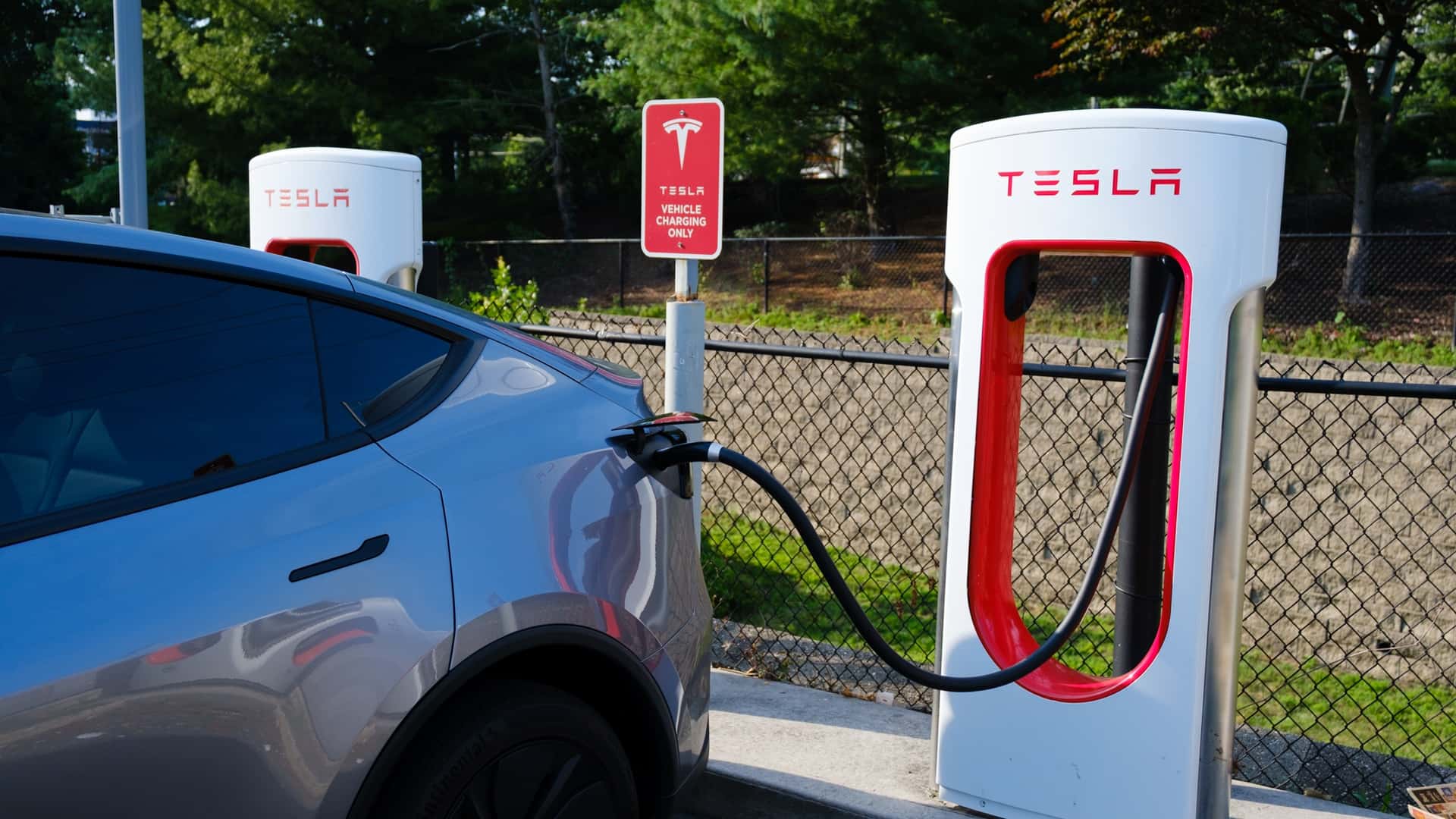
A recent test conducted on a six-month-old Tesla Model Y has shown impressive results in terms of battery health after 16,000 miles of driving. The owner of the vehicle used more DC fast charging than AC charging over the six-month period, which goes against the common belief that frequent fast charging accelerates electric vehicle battery degradation.
According to battery degradation experts, the rate at which an EV pack loses capacity is highest when it’s new, and then gradually tapers off. The key to maintaining battery health lies in careful charging habits, such as not charging the battery to 100% and never letting it run down below 20% state of charge.
The owner of the Model Y, known as BCTESLAGUY from Canada, decided to test the battery health of his vehicle after six months of usage. The results were surprising, as the battery still retained 99% of its original capacity. The full battery test procedure involved draining the battery down to 0% and then charging it back up to 100%, which took around 20 hours. The test revealed that the car still displayed 326 miles (525 km) of range when fully charged, the same as when it was new.
The owner credits two habits for the high remaining capacity of the battery: always preconditioning the battery before fast charging and limiting charging to 75%, while trying to never let it drop below 35%. These practices have proven to be effective in maintaining the battery health of the Model Y.
The test results suggest that fast charging an EV, even with an NMC battery, is not as detrimental as previously thought. Setting a charging limit below 80% and avoiding very low states of charge can help mitigate the negative effects of fast charging, especially for owners who rely on DC fast charging more often than average.
While this test doesn’t settle the fast-charging debate entirely, it does emphasize the importance of how you use fast charging. Careful charging habits and regular monitoring of battery health can go a long way in maintaining the longevity of an electric vehicle’s battery. Taking care of your electric vehicle (EV) battery pack is crucial to ensuring its longevity and performance. By following a few simple guidelines, you can keep your battery healthy and maximize its lifespan.
First and foremost, it’s essential to avoid exposing your battery pack to extreme temperatures. High temperatures can accelerate battery degradation, while very cold temperatures can reduce its efficiency. Storing your EV in a garage or shaded area can help regulate the temperature and protect the battery from extremes.
Preconditioning the battery before fast-charging can also help maintain its health. Preconditioning involves warming up or cooling down the battery to its optimal temperature range before charging, which can improve charging efficiency and reduce stress on the battery cells.
When it comes to charging your EV, it’s best to charge to 100% only when necessary, such as before a long road trip. Charging to full capacity on a regular basis can put additional strain on the battery and contribute to faster degradation. For daily charging, aim to keep the battery level between 20% and 80% for optimal performance and longevity.
In addition to these tips, it’s important to follow the manufacturer’s guidelines for charging and maintaining your EV battery. Regularly checking the state of charge and monitoring any changes in performance can help you detect potential issues early on and address them promptly.
By following these simple guidelines and taking good care of your EV battery pack, you can ensure that it remains in top condition and provides reliable performance for years to come. Remember, a little maintenance goes a long way when it comes to maximizing the lifespan of your EV battery.