
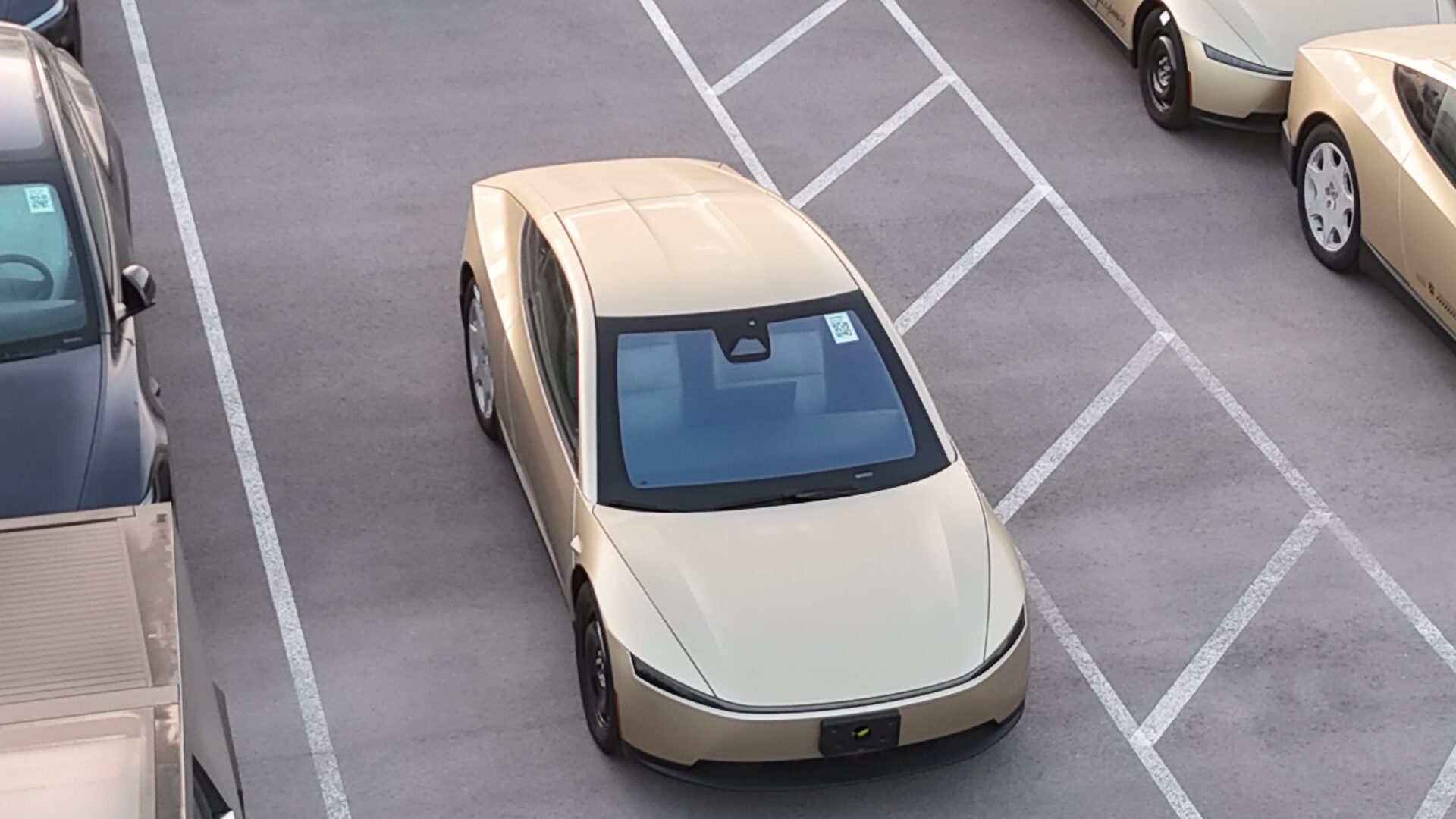
Tesla has made a significant leap towards launching its commercial autonomous vehicle network by self-certifying its robotaxi software as Level 4 autonomous under a new Texas commercial autonomous vehicle law that came into effect on May 28, 2026.
The enforcement of Texas Senate Bill 2807 now allows operators of commercial self-driving passenger or freight services to obtain authorization from the Texas Department of Motor Vehicles (TxDMV). This legal framework permits fully driverless operations on public roads for vehicles designed without traditional controls like steering wheels or pedals, paving the way for Tesla’s purpose-built Cybercab.
Under the new law, commercial operators must certify that their vehicles comply with state traffic laws, have onboard recording devices, meet federal safety standards, and are capable of automatically achieving a minimal risk condition to stop safely in case of system failure.
The regulatory milestone coincides with a noticeable increase in production at Gigafactory Texas. While Tesla initially launched its commercial robotaxi service in Austin, Dallas, and Houston with a small fleet of 25 vehicles, recent sightings indicate a growing number of Cybercabs on public roads. Additionally, infrastructure plans in the Dallas-Fort Worth metroplex reveal that Tesla is constructing a 24-acre fleet center in Irving dedicated to autonomous vehicle dispatch, cleaning, and maintenance.
It is important to note that the Level 4 certification applies specifically to Tesla’s commercial fleet operations and does not impact the legal status of the Level 2 Full Self-Driving (FSD) Supervised software currently used in customer-owned vehicles.
This development follows Tesla CEO Elon Musk sharing a video of the Cybercab driving itself out of Giga Texas today. The company’s robotaxi plans are progressing rapidly, as evidenced by the increasing presence of autonomous vehicles on the streets.
In conclusion, Tesla’s self-certification of its robotaxi software as Level 4 autonomous in Texas marks a significant step towards the widespread adoption of autonomous vehicles in commercial operations. With the company’s commitment to innovation and technological advancement, the future of autonomous transportation looks promising.