
China is at the forefront of the electric vehicle (EV) revolution, leading the way in both technology and safety standards. As the global leader in EV tech, China is now shifting its focus to becoming a global EV safety watchdog, setting the standard for how future EVs are designed and manufactured worldwide.
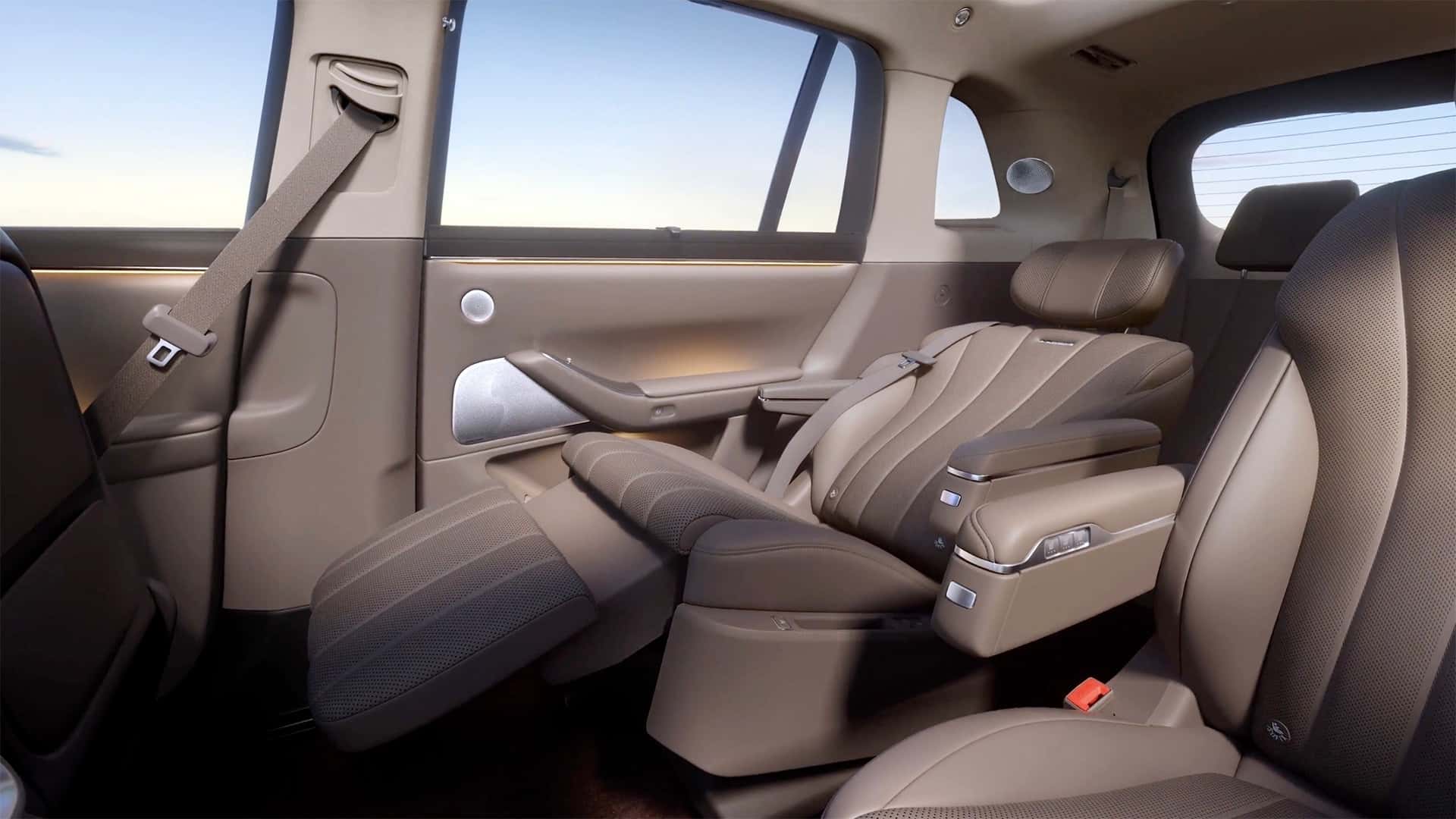
One of the key areas of concern for Chinese regulators is the design of certain features in EVs that could compromise passenger safety. For example, the use of heavily reclining seats that almost turn into beds, commonly referred to as ‘zero-gravity seats,’ poses a significant safety hazard in the event of a collision. When occupants are in a reclined position, seatbelts may not properly restrain them, increasing the risk of injury or fatality. In response to this concern, the Chinese Ministry of Industry and Information Technology has issued statements highlighting the potential risks associated with these seats.
In addition to zero-gravity seats, regulators in China are targeting other EV gimmicks that could compromise safety, such as flush, motorized door handles and electronic-only interior door handles. A tragic incident involving a Dongfeng electric sedan highlighted the dangers of these features, leading to public outrage and regulatory action to ban them. The use of yoke steering wheels, which are popular in Chinese EVs and certain Teslas, has also raised concerns about driver control and airbag deployment.
Furthermore, Chinese regulators are addressing the issue of one-pedal driving, where the car’s electric motors slow down the vehicle when the accelerator is released. While this feature is not inherently unsafe, regulators argue that it could delay a driver’s response in emergency situations. As a result, China has introduced standards for when brake lights need to come on and made one-pedal driving an optional mode rather than the default setting.
Moreover, China is mandating that certain key functions in EVs have physical controls, in addition to touchscreen interfaces. The country is also considering restrictions on EV performance, with a proposed rule that would require a minimum acceleration time of 5 seconds from a standstill to 62 mph (100 km/h) in the default driving mode.
In the realm of EV battery recycling, China is leading the way in developing sustainable practices for repurposing spent battery packs. The country is exploring innovative solutions to minimize the impact of EV battery fires, including the concept of ejecting burning batteries from vehicles.
Overall, China’s evolving approach to EV safety and design standards is shaping the future of electric mobility on a global scale. As the country continues to set the bar for safety and innovation in the EV industry, its influence on global EV trends is likely to grow, ensuring that the next generation of electric vehicles prioritizes safety and sustainability. China is not just the world’s biggest electric vehicle (EV) market and innovation hub, but it is also emerging as the most important safety watchdog for the next generation of EVs. Recent restrictions implemented by the Chinese government could quietly shape the future of EVs worldwide, setting new standards for safety and quality.
With the rise in popularity of electric vehicles, concerns about safety have also increased. China, with its massive market share and influence in the EV industry, is taking proactive steps to ensure that all EV manufacturers meet stringent safety regulations. These new restrictions are not only aimed at protecting consumers in China but also have the potential to impact the global EV market.
By setting high safety standards and closely monitoring compliance, China is positioning itself as a key player in shaping the future of EV technology. Manufacturers who want to access the lucrative Chinese market will have to meet these stringent requirements, which could ultimately lead to safer and more reliable EVs for consumers worldwide.
As China continues to lead the way in EV innovation, other countries may look to follow suit and adopt similar safety regulations. This could create a domino effect, with global EV manufacturers having to adhere to a higher standard of safety to compete in various markets.
The implications of these new restrictions go beyond just ensuring the safety of EVs. They also have the potential to drive innovation and push manufacturers to develop new technologies that prioritize safety and reliability. As a result, the next generation of EVs could be safer, more efficient, and more advanced than ever before.
In conclusion, China’s role as a safety watchdog for the EV industry is becoming increasingly important. By setting high standards and enforcing strict regulations, China is not only protecting consumers but also shaping the future of EV technology on a global scale. As other countries take note of China’s approach, we may see a new era of safer and more innovative electric vehicles emerging in the near future.