
Tesla has achieved a significant milestone in its journey towards fully autonomous driving. The company’s fleet of vehicles equipped with the Full Self-Driving (Supervised) system has now covered over 10 billion miles, surpassing the threshold set by Elon Musk earlier this year for “safe unsupervised” driving.
However, it’s important to note that Tesla’s Full Self-Driving system is still classified as a Level 2 system, which means it requires a human driver to be fully attentive and ready to take control at any moment. Despite reaching the 10 billion-mile mark, Tesla has not yet transitioned its Supervised vehicles to Unsupervised ones.
Elon Musk had previously stated that around 10 billion miles of training data would be needed to achieve safe unsupervised self-driving. While Tesla has reached this milestone, the company has not implemented unsupervised driving for its customers. This decision is likely influenced by the legal implications and questions surrounding liability in the event of accidents involving autonomous driving systems.
Tesla’s terms of service place the responsibility for the vehicle’s operation on the owner, particularly emphasizing that Full Self-Driving (Supervised) still requires active driver supervision. This raises concerns about who would be liable in the event of a crash if the system were to operate unsupervised.
Despite these challenges, Tesla’s achievement of 10 billion miles driven with the Full Self-Driving (Supervised) system is commendable. The company claims that its FSD-equipped vehicles have a significantly lower collision rate compared to the average US driver, showcasing the potential safety benefits of autonomous driving technology.
However, experts have raised questions about Tesla’s methodology for assessing safety, highlighting potential discrepancies in crash data analysis. Some researchers believe that Tesla may be underreporting crashes to make its Autopilot and Full Self-Driving systems appear safer than they actually are.
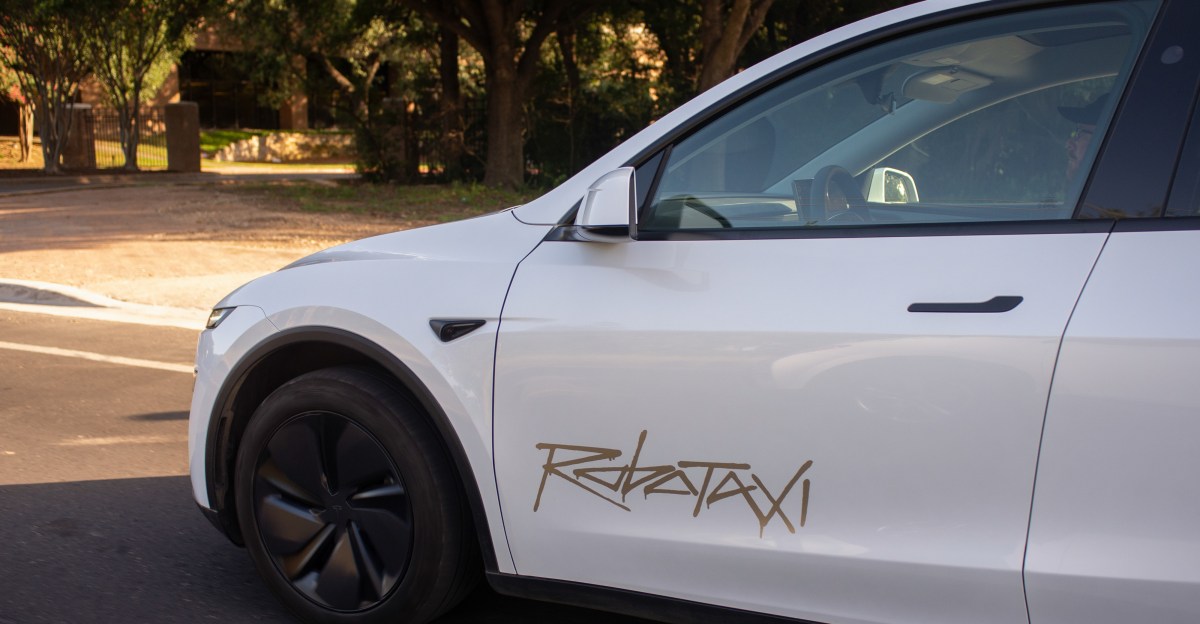
While unsupervised driving for Tesla customers may still be on the horizon, the company is expanding its fleet of unsupervised vehicles for its robotaxi service. Cities like Dallas and Houston have seen an increase in the number of unsupervised robotaxis operated by Tesla, indicating progress towards fully autonomous transportation services.
Elon Musk has hinted that unsupervised driving for customers could become a reality once it is legally permissible. The timeline for this transition remains uncertain, but Musk has suggested that it could happen as early as the fourth quarter of the year.
As Tesla continues to push the boundaries of autonomous driving technology, the question remains whether the company will be able to navigate the legal and regulatory challenges associated with transitioning to unsupervised driving. The journey towards fully autonomous vehicles is a complex and evolving process, and Tesla’s progress serves as a testament to the advancements in self-driving technology.