
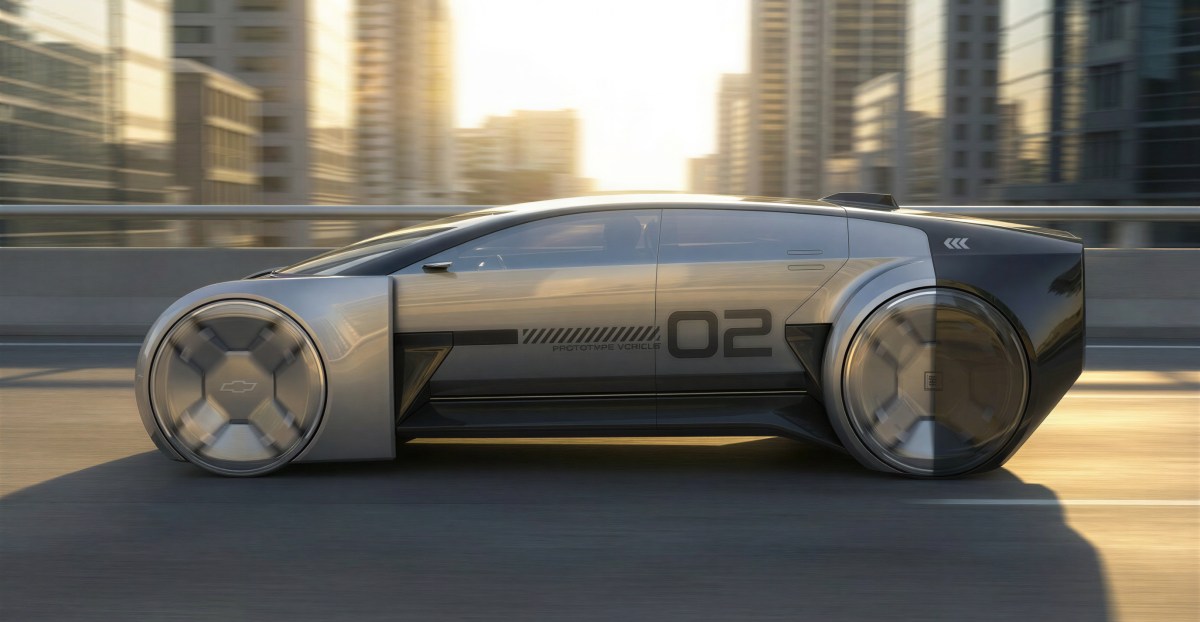
The world of auto design is constantly evolving, with advanced 3D visualization tools and VR sculpting platforms revolutionizing the industry. Despite these technological advancements, the process of designing a new car still begins with a simple sketch.
These initial sketches undergo numerous iterations and refinements from various angles before being transformed into 3D models, either digitally or in clay. This meticulous process can take several years before a new car is ready for production.
However, the landscape of the auto industry has shifted dramatically in recent years. With changing regulations, shifting market trends, and the rise of alternative fuel sources, the design and development of new cars have been significantly impacted.
One major development in the industry is the integration of AI technology in the design process. Companies like General Motors (GM) are leveraging AI tools to streamline the design process and accelerate the development of new vehicles. By using tools like Vizcom, designers can create detailed 3D models and animations in a fraction of the time it would traditionally take.
AI is also being used in computational fluid dynamics (CFD) to optimize the aerodynamics of vehicles. Companies like Neural Concept are using neural networks to simulate airflow around different vehicle shapes, leading to improved efficiency and performance.
GM is also pioneering the use of AI-powered virtual wind tunnels to predict drag and optimize vehicle designs. This technology allows designers and engineers to receive instant feedback on design changes, leading to a more iterative and efficient design process.
While AI has the potential to enhance productivity and quality in the design process, there are concerns about its impact on traditional roles in the industry. Some experts worry that the increased use of AI tools could lead to job displacement and a reduction in workforce.
Despite these concerns, industry leaders emphasize that AI is meant to complement human expertise, not replace it entirely. By automating menial tasks and improving efficiency, AI can empower designers and engineers to focus on more creative and strategic aspects of the design process.
Ultimately, the integration of AI in the auto design process represents a significant shift in the industry. As companies continue to adopt AI technologies, the future of car design is poised to be faster, more efficient, and more innovative than ever before.