
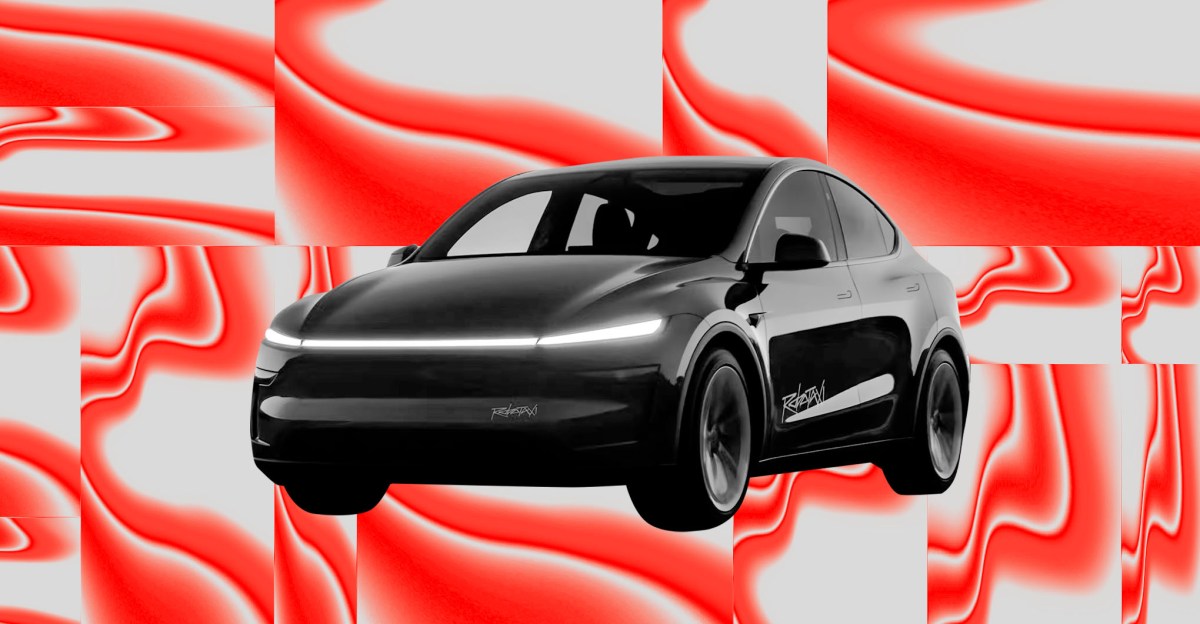
Tesla is reportedly back in the game with plans to release a smaller, more affordable electric vehicle. According to a report by Reuters, the electric automaker is in talks with suppliers to develop a new electric SUV that will not be based on the existing Model 3 or Model Y. This new vehicle is said to be more budget-friendly and will initially be produced in China before making its way to the US and European markets.
This development marks a significant shift for Tesla and its CEO, Elon Musk, who previously dismissed the idea of creating a more affordable EV. Musk had previously stated that all future cars would be autonomous, making a cheaper electric vehicle unnecessary. In 2024, Tesla reportedly scrapped plans to build a $25,000 electric car, known as the Model 2, in favor of focusing on robotaxis and humanoid robots.
However, Musk’s ambitious plans for autonomous vehicles have faced challenges. Despite his claims that Tesla would have robotaxis covering 50 percent of the US population by the end of 2025, the reality has fallen short. Currently, Tesla’s robotaxis are only available in Austin and are supervised by an employee with access to a kill switch in case of emergencies.
Following the cancellation of the Model 2, Tesla shifted its focus to releasing stripped-down versions of the Model 3 and Model Y. While these models were cheaper to produce, they did not fulfill Musk’s promise of an affordable electric vehicle.
The potential release of a new, more affordable Tesla model could provide a much-needed boost to the company’s sales. Tesla has faced challenges such as the loss of the EV tax credit and public backlash against Musk’s political affiliations. Despite an increase in customer deliveries in the first quarter of this year compared to the previous year, sales were down 14 percent from the previous quarter.
There are also questions about whether the new vehicle aligns with Tesla’s goal of producing driverless vehicles. Sources suggest that Tesla may be aiming to create a vehicle that can be both driverless and manually operated.
This shift in strategy would mark a departure from Musk’s previous statements. Tesla is currently focusing on the production of the Cybercab, a two-seater vehicle without a steering wheel that Musk believes is the ideal autonomous vehicle for the future. However, Tesla’s Full Self-Driving technology has yet to achieve full autonomy, with Musk stating that an “unsupervised” version of FSD would require at least 10 billion miles of validation for safety. As of now, Tesla’s real-time FSD dashboard shows 9.1 billion miles and counting.
Overall, Tesla’s potential return to producing a more affordable electric vehicle represents a significant change in direction for the company and its CEO. It remains to be seen how this new model will be received by consumers and whether it will align with Tesla’s vision for the future of transportation.