
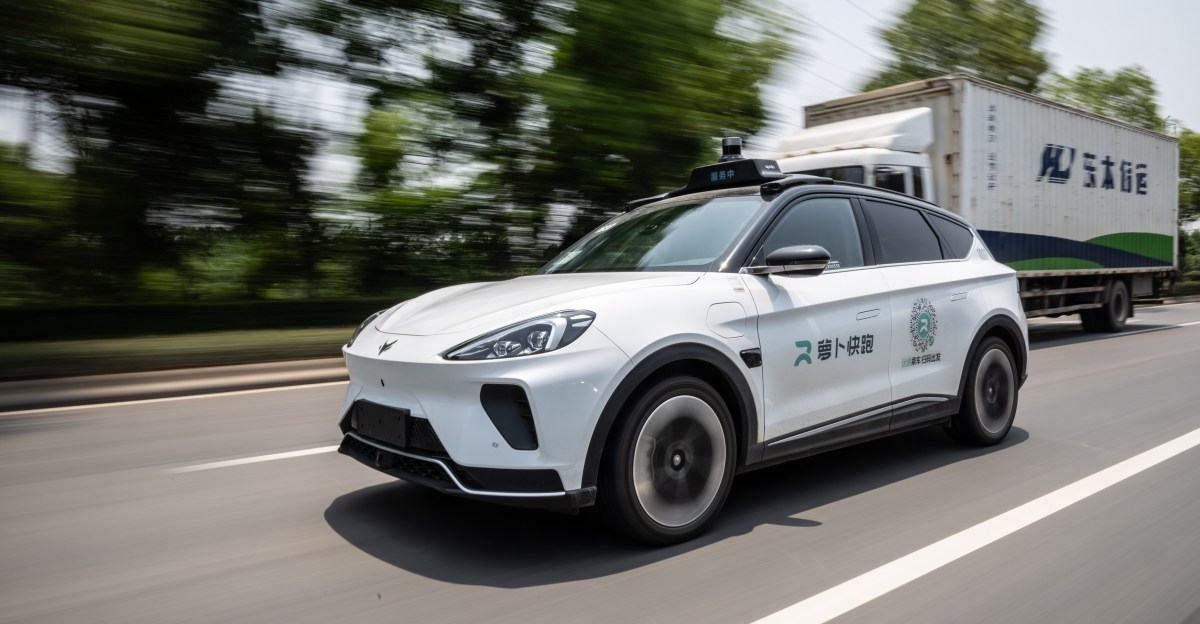
On Tuesday, a significant number of robotaxis operated by Chinese tech giant Baidu experienced a major malfunction in Wuhan, causing chaos on the streets. According to reports, passengers were trapped inside the vehicles, leading to stranded cars on highways and even resulting in at least one traffic accident.
Authorities in Wuhan confirmed that they received multiple reports of Baidu’s Apollo Go robotaxis coming to a halt in the middle of the road, unable to move. Fortunately, no injuries have been reported so far, and initial investigations point to a “system failure” as the cause of the outage.
Wuhan serves as a key hub for Baidu’s robotaxi operations, with over 500 driverless cars reportedly deployed on its roads. While the exact number of affected vehicles remains unclear, local news sources suggest that at least 100 robotaxis were impacted by the malfunction. Baidu has yet to provide a statement in response to the incident.
This incident has reignited concerns about the safety of self-driving cars in China, a country known for its enthusiastic embrace of autonomous vehicle technology. Baidu, a major player in the industry, has been aggressively expanding its robotaxi services globally, operating in 26 cities worldwide and partnering with companies like Uber in London and Dubai.
As the debate over the reliability of self-driving technology continues, it is essential for companies like Baidu to address and rectify any technical issues to ensure the safety and efficiency of their autonomous vehicles. This incident serves as a reminder of the challenges and responsibilities that come with the advancement of driverless transportation systems.