
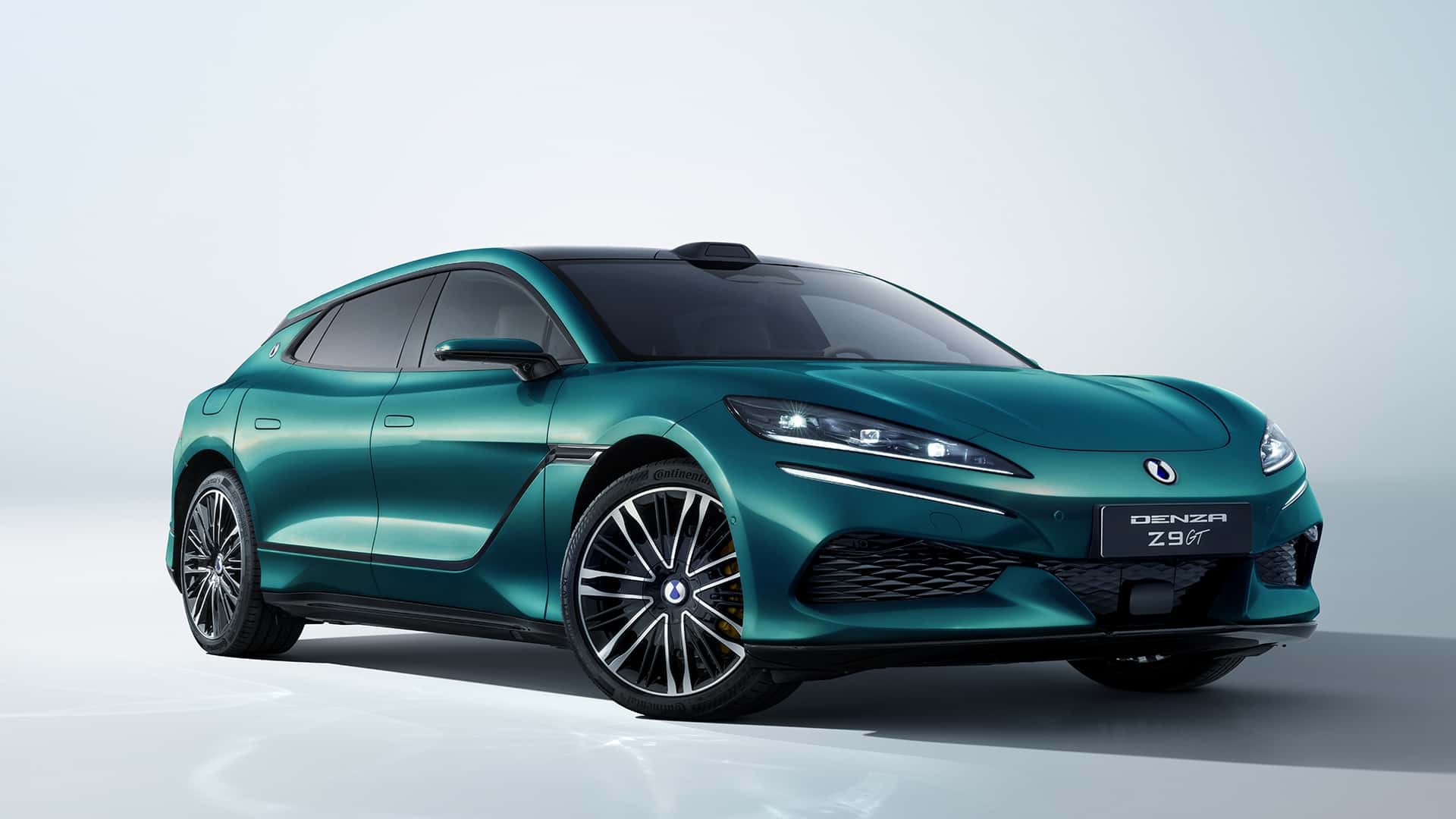
Despite facing dropping profits and a shrinking share in its home market, BYD remains optimistic about its future prospects in the global EV market. The company recently announced its goal of reaching 1.5 million overseas sales by 2026, a 15% increase from its previous projection. This target reflects BYD’s ambition to expand its presence outside of China and eventually make international sales account for half of its total business.
However, BYD’s recent financial performance has been less than stellar, with a 38% drop in net income for the fourth quarter and a 19% decline in profits for the full year. Intensifying competition, softening domestic demand, and pricing pressures have all contributed to these challenges. Despite these setbacks, BYD remains committed to growing its exports, with overseas sales doubling in 2025 and accounting for a significant portion of its business in 2026.
To support its international expansion efforts, BYD plans to establish factories in Hungary and Turkey, with a third plant under consideration. The company is also open to acquiring a legacy automaker to facilitate its global growth. While BYD has yet to enter the U.S. market, its success in Europe, Latin America, and other regions demonstrates its potential to disrupt the global automotive industry.
China’s ability to rapidly scale its automotive industry poses a significant challenge to traditional Western automakers. BYD and other Chinese companies have shown a knack for efficient growth that their Western counterparts have struggled to replicate. As the balance of power in the automotive industry shifts from West to East, legacy automakers must adapt to the changing landscape or risk being left behind by innovative and agile competitors like BYD.
BYD’s confident outlook for its international sales reflects its determination to overcome challenges and establish itself as a major player in the global EV market. Despite facing headwinds in its home market, the company’s focus on expanding its overseas presence underscores its long-term vision for growth and success.
As BYD and other Chinese automakers continue to gain traction in international markets, the automotive industry is witnessing a fundamental shift that could reshape the competitive landscape for years to come. Traditional automakers must adapt to this new reality or risk losing ground to more nimble and innovative competitors like BYD.
The world of fashion is constantly evolving, with new trends emerging every season. From bold prints to minimalist designs, there is always something new and exciting to look forward to. One trend that has been gaining popularity in recent years is the concept of sustainable fashion.
Sustainable fashion is all about creating clothing that is environmentally friendly and ethically produced. This means using materials that are sourced in a responsible way, such as organic cotton or recycled fabrics. It also means ensuring that the workers who make the clothing are treated fairly and paid a living wage.
One of the key principles of sustainable fashion is durability. Instead of buying cheap, disposable clothing that falls apart after a few wears, sustainable fashion encourages consumers to invest in high-quality pieces that will last for years to come. This not only reduces waste, but also saves money in the long run.
Another important aspect of sustainable fashion is transparency. Many companies in the fashion industry are notorious for their lack of transparency when it comes to their supply chains. Sustainable fashion brands, on the other hand, are committed to being open and honest about where their materials come from and how their clothes are made.
In recent years, there has been a growing demand for sustainable fashion from consumers. People are becoming more aware of the impact that the fashion industry has on the environment and are looking for alternatives that are better for the planet. This has led to a rise in the number of sustainable fashion brands on the market, offering a wide range of stylish and eco-friendly options for shoppers.
One of the challenges of sustainable fashion is the perception that it is more expensive than traditional clothing. While it is true that sustainable fashion can sometimes come with a higher price tag, it is important to consider the long-term cost savings and the positive impact on the environment. By investing in sustainable fashion, consumers can help support ethical practices in the industry and reduce their carbon footprint.
Overall, the rise of sustainable fashion is a positive step towards a more sustainable future. As more and more people become aware of the impact of their clothing choices, the demand for eco-friendly options will continue to grow. By supporting sustainable fashion brands and making conscious purchasing decisions, consumers can play a role in creating a more sustainable and ethical fashion industry.