
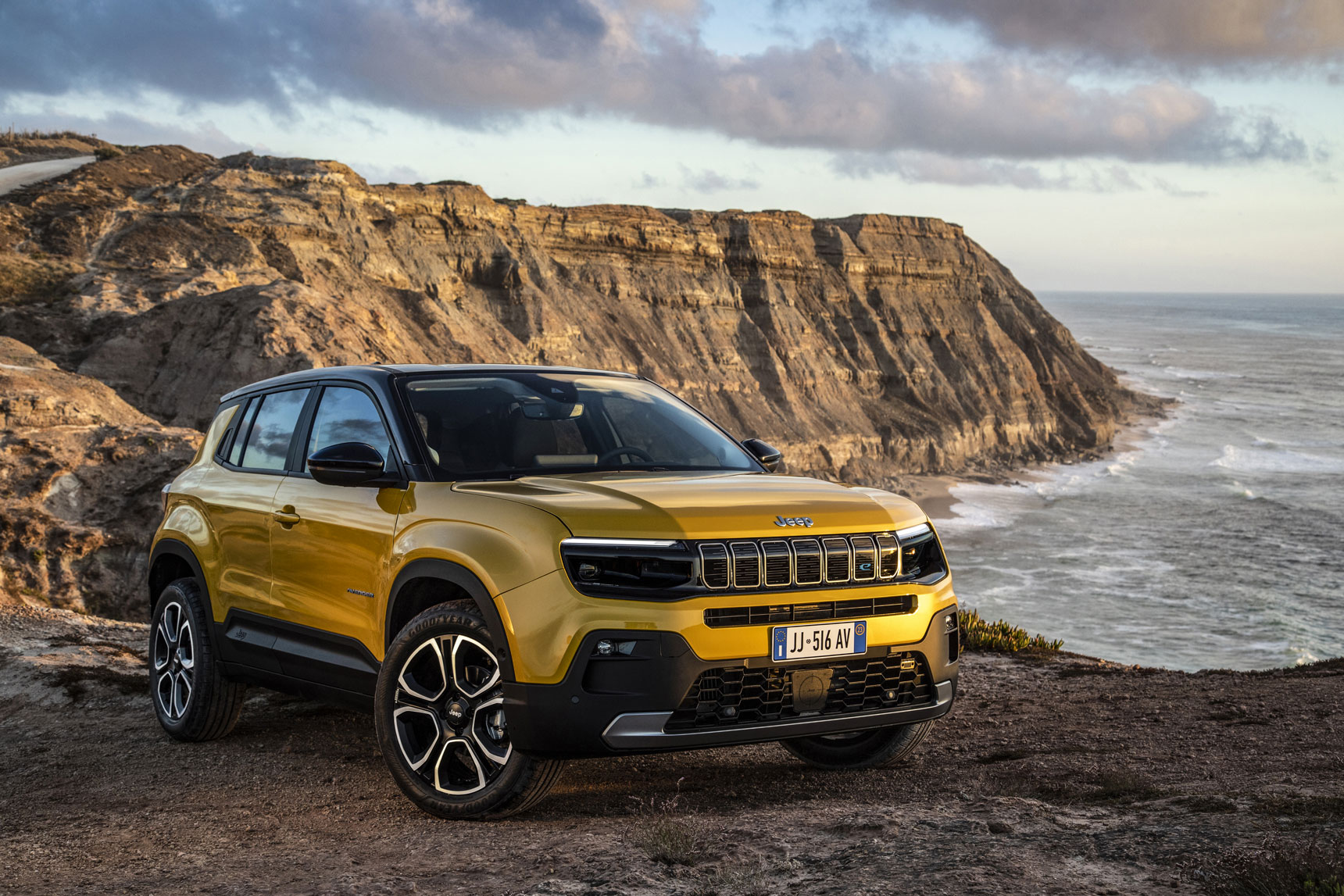
Stellantis Opens Tesla Supercharger Network to Jeep, Dodge, Ram, FIAT, and Maserati Electric Vehicles
The long-awaited moment has arrived in the North American charging wars as Stellantis has officially granted access to Tesla’s Supercharger network for its fleet of electric vehicles. Effective March 19, 2026, owners of brands such as Jeep, Dodge, Ram, FIAT, and Maserati can now utilize over 27,500 Supercharger stalls across Canada and the United States.
While current Stellantis models do not come equipped with the Tesla-style port, drivers can still charge their vehicles using a NACS-to-CCS1 adapter. These official adapters are available for purchase through Mopar.com and certified dealerships for approximately $230 to $250 US. Stellantis emphasizes the importance of using “Stellantis-approved NACS adapters” to ensure vehicle safety and network compatibility.
The rollout includes a specific list of 2024 through 2026 model year vehicles, such as the Dodge Charger Daytona, Jeep Wagoneer S, FIAT 500e, and the Ram ProMaster EV. For those who prefer to skip the adapter altogether, Stellantis has confirmed that the 2027 Dodge Charger Daytona will be the first model to come equipped with a native NACS port straight from the factory.
To initiate a charging session, drivers can utilize the Free2move Charge app, which helps locate compatible Tesla V3 and V4 stations and facilitates payment. While this development is a significant victory for Jeep and Ram owners planning road trips, the experience does not yet support Plug & Charge functionality, requiring users to manually start the session through the app.
In addition to this groundbreaking news, Stellantis has also made headlines with other developments in the electric vehicle sector. Detroit’s Big Three automakers, including General Motors, Ford Motor, and Stellantis, collectively incurred over $50 billion in write-downs linked to their electric vehicle investments. As demand cools and regulations shift, the EV gold rush in Detroit appears to have hit a roadblock.
Furthermore, Stellantis has decided to scale back its software ambitions and halt the Level 3 self-driving rollout under its AutoDrive program. Instead, the automaker will rely on suppliers for advanced driver-assistance technology to reduce costs amidst declining sales.
Looking ahead, Stellantis has announced plans to integrate the SAE J3400 charging connector into its battery-electric vehicles in North America, starting with select models in 2025. By adopting Tesla’s North American Charging Standard, Stellantis aims to provide adapters for seamless charging compatibility as the automotive industry continues to evolve.
In conclusion, Stellantis’s decision to open up Tesla’s Supercharger network to its electric vehicle lineup marks a significant milestone in the ongoing electrification of the automotive industry. With innovative solutions and strategic partnerships, Stellantis is positioning itself for success in the rapidly evolving EV landscape.