
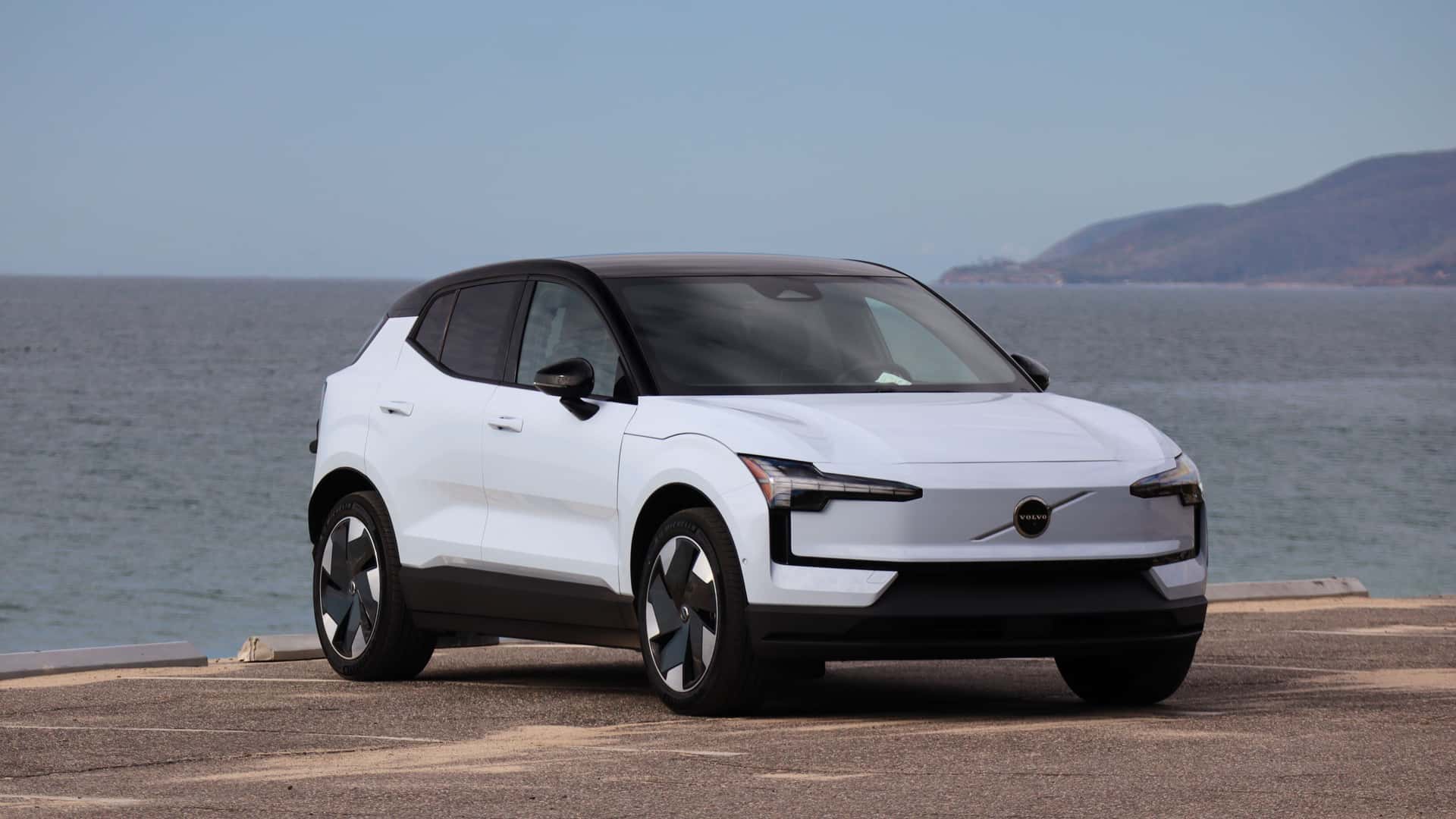
The Volvo EX30, once seen as a promising and affordable electric option for American consumers, has been officially discontinued in the U.S. market. This decision was confirmed by a spokesperson for the Swedish automaker, following reports from The Drive that dealers had been notified of the cancellation.
The demise of the Volvo EX30 adds to a growing list of setbacks for U.S.-market electric vehicles. Ford’s F-150 Lightning was axed last year, while Hyundai recently scaled back production of the Ioniq 6 sedan. Honda also withdrew three upcoming models before they even went into production.
The cancellation of the Volvo EX30 can be attributed to a series of challenges that the model faced from the outset. Initially targeted to have a starting price of $35,000, the EX30 encountered delays and increased costs due to the 100% tariff on China-built EVs imposed by the Biden administration. Despite efforts to shift production to Europe, the final product was deemed too expensive for its perceived value, with testers noting a lack of premium features for the price.
Critics and long-term reviewers of the Volvo EX30 have cited numerous issues with the vehicle, including software bugs and poorly designed technology features. A recent battery recall added to its troubles, leading to a general perception that the EX30 was not competitive in the market.
However, it’s important to recognize that the decline of EV models in the U.S. market is not solely due to a lack of consumer interest. With regulatory changes and incentives for electric vehicles diminishing, automakers have greater flexibility to discontinue models that are not meeting expectations or are no longer deemed viable. This shift in the automotive landscape has prompted Volvo to streamline its EV lineup, with plans to discontinue the EX30 and its Cross Country variant in favor of focusing on the upcoming EX90 and EX60 models.
While the Volvo EX30 may be a casualty of changing market dynamics, the company remains committed to advancing its electric vehicle offerings. By refining its lineup and introducing new models, Volvo aims to stay competitive in the evolving landscape of electric mobility. The technological advancements of the 21st century have revolutionized the way we live, work, and communicate. From smartphones to social media platforms, we are constantly surrounded by cutting-edge technology that is shaping our daily lives in ways we never thought possible. One of the most prominent advancements that has had a significant impact on society is the rise of artificial intelligence (AI).
AI is a branch of computer science that aims to create intelligent machines that can perform tasks that typically require human intelligence, such as visual perception, speech recognition, decision-making, and language translation. In recent years, AI has made remarkable progress and has been integrated into various industries, ranging from healthcare to finance to transportation.
One of the key areas where AI has made a significant impact is in healthcare. AI-powered algorithms are being used to analyze medical imaging scans, detect diseases, and assist in diagnosing patients. This has not only improved the accuracy and speed of diagnoses but has also helped healthcare professionals make more informed decisions about patient care.
In the field of finance, AI is being used to analyze data and predict market trends, helping investors make better investment decisions. AI-powered chatbots are also being used by banks and financial institutions to provide customer service and support, improving the overall customer experience.
In transportation, AI is being used to optimize traffic flow, improve safety, and enhance the efficiency of public transportation systems. Self-driving cars, powered by AI algorithms, are being developed by companies like Tesla and Google, with the potential to revolutionize the way we travel in the future.
AI is also being used in the field of education, where personalized learning platforms are being developed to cater to individual student needs and improve learning outcomes. AI-powered tutors are being used to provide students with additional support and feedback, helping them master difficult concepts and improve their academic performance.
Despite the numerous benefits of AI, there are also concerns about its implications on society. The rise of AI has raised questions about job displacement, privacy, and ethical implications. As AI becomes more advanced and integrated into various aspects of our lives, it is crucial for policymakers, researchers, and industry leaders to address these concerns and ensure that AI is developed and used responsibly.
In conclusion, the rise of artificial intelligence has the potential to revolutionize society in ways we never thought possible. From healthcare to finance to transportation, AI is reshaping industries and transforming the way we live and work. As we continue to harness the power of AI, it is important to approach its development and implementation with caution and consideration for its potential impact on society.