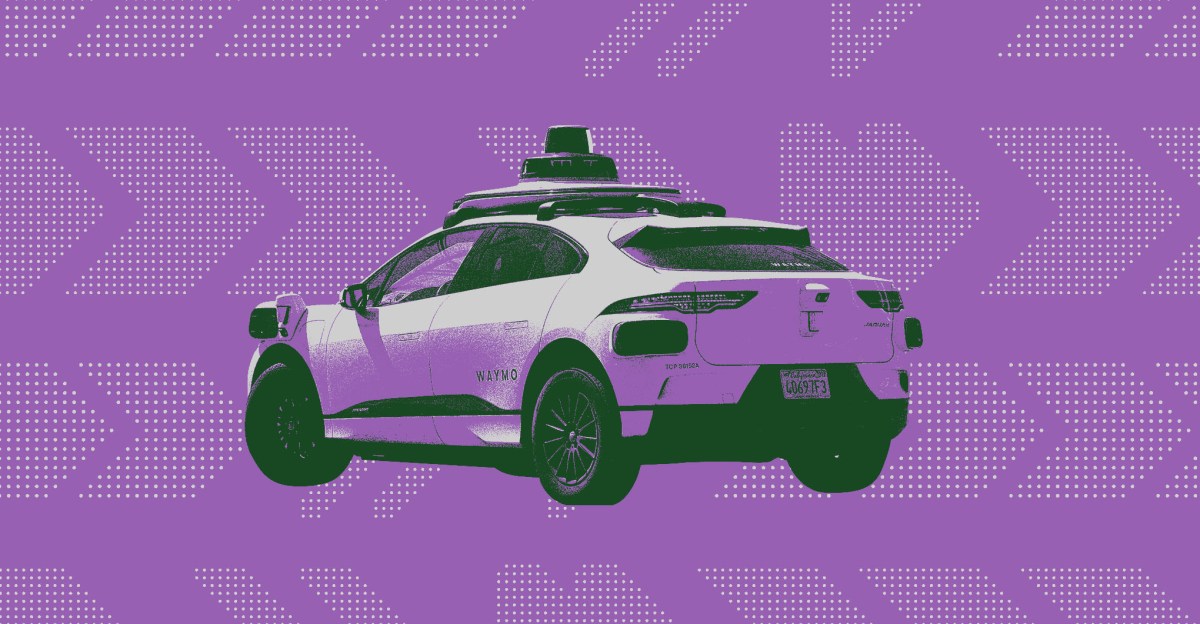
Despite these incidents, Waymo continues to defend its use of remote assistants as a crucial element of its safety protocols. McNamara emphasized in his letter to Markey that the remote assistance provided is for “safety-critical situations” and that the company’s primary focus is on building a safe and reliable autonomous driving system. He highlighted the extensive training and oversight provided to remote assistance agents to ensure they are equipped to handle any potential issues that may arise during a robotaxi ride.
As the autonomous vehicle industry continues to evolve and regulatory frameworks are being established, the role of remote assistants in ensuring the safe operation of robotaxis is likely to remain a topic of discussion. Companies like Waymo are navigating the balance between leveraging human oversight for safety and maintaining the autonomy and efficiency of their self-driving systems.
and the company has taken steps to address any misconceptions about its operations. With the rise of autonomous vehicles, the use of remote assistants has become a common practice in the industry, and Waymo is at the forefront of this technology.
In a detailed letter to Sen. Ed Markey, Waymo’s head of global operations, Ryan McNamara, provided insight into the company’s remote assistance operations. Waymo has approximately 70 remote assistance agents available at any given time, with half of them based in the US and the other half in the Philippines. These agents are tasked with providing advice and support to the Waymo Driver, the automated driving system, in safety-critical situations.
Contrary to misconceptions that arose from a Senate hearing, Waymo clarified that its remote assistance agents do not directly control, steer, or drive the vehicle. Instead, they offer guidance when requested by the automated driving system in ambiguous situations. These interactions are brief and aim to provide additional context to the system, enhancing safety measures during robotaxi rides.
Waymo highlighted the rigorous training and qualifications of its remote assistance agents, including being licensed drivers, English speakers, and having passed drug screenings. The company emphasized that these agents play a crucial role in ensuring the safe operation of its robotaxis, especially in scenarios where human intervention may be necessary.
While the use of remote assistants has faced scrutiny in the industry, Waymo stands by its approach as a necessary component of its safety protocols. The company distinguishes its operations from other autonomous driving companies that utilize remote drivers for backup control. Waymo’s focus remains on developing a reliable autonomous driving system while incorporating human oversight for added safety measures.
As the autonomous vehicle landscape continues to evolve, the role of remote assistants in enhancing safety measures is likely to remain a topic of discussion. Waymo’s transparency about its remote assistance operations serves as a testament to its commitment to ensuring the safety and efficiency of its robotaxi services. The rise of driverless cars, championed by companies like Waymo, has sparked concerns about job losses due to AI advancements. Phil Koopman, an autonomous vehicle expert at Carnegie Mellon University, emphasized that remote human drivers will still be necessary for the foreseeable future to ensure safety in robotaxis. Despite Waymo’s claims of rigorous operational practices, there is a lack of independent oversight to verify the accuracy of these claims.
As robotaxi operations expand, there is a general lack of awareness among the public regarding the different levels of autonomy and the role of human assistants. Waymo’s vehicles are typically classified as Level 4, where they can perform driving tasks under specific conditions but may still require human intervention. Level 5, where vehicles can operate autonomously under any conditions without human help, is still considered a distant goal by experts.
Update as of February 18th: It was clarified that Waymo has a total of 70 remote agents on duty at any given time, but the company did not disclose the total number of agents employed.
In conclusion, while the advancement of driverless cars brings exciting possibilities, there are still challenges and concerns that need to be addressed. It is essential to strike a balance between technological progress and ensuring the safety and well-being of both passengers and workers in the autonomous vehicle industry. The world of technology is constantly evolving, and with each passing year, new advancements are made that shape the way we live and work. From the rise of artificial intelligence to the development of self-driving cars, there is no shortage of innovation in the tech industry.
One of the most exciting developments in recent years has been the emergence of augmented reality (AR) technology. AR allows users to overlay digital information onto the real world, creating a unique and immersive experience that blends the physical and digital realms.
AR has already made a significant impact in various industries, from gaming and entertainment to education and healthcare. In the gaming world, AR technology has been used to create popular games like Pokemon Go, which allows players to catch virtual creatures in the real world using their smartphones. This has opened up a whole new world of possibilities for game developers, who can now create more interactive and engaging experiences for players.
In the field of education, AR has been used to bring learning to life in a way that was never before possible. Students can now explore virtual worlds and interact with digital objects, making learning more engaging and interactive. This has the potential to revolutionize the way we educate future generations, allowing them to learn in a way that is more intuitive and immersive.
In healthcare, AR technology has been used to assist doctors in performing surgeries and diagnosing patients. By overlaying digital information onto a patient’s body, doctors can get a better understanding of their condition and make more informed decisions about their treatment. This has the potential to improve patient outcomes and revolutionize the way we approach healthcare.
But the potential of AR technology goes far beyond just these industries. As the technology continues to evolve, we can expect to see it being used in a wide range of applications, from retail and marketing to architecture and design. Imagine being able to try on clothes virtually before making a purchase, or visualizing how a piece of furniture will look in your home before buying it. The possibilities are endless.
As AR technology becomes more mainstream and accessible, we can expect to see it becoming an integral part of our daily lives. Whether it’s through our smartphones, smart glasses, or other wearable devices, AR has the potential to revolutionize the way we interact with the world around us. And as developers continue to push the boundaries of what is possible with this technology, we can only imagine what the future holds for augmented reality. The world is constantly changing and evolving, and with it, so are our needs and desires. As technology advances and society progresses, new trends emerge that shape the way we live our lives. One such trend that has been gaining momentum in recent years is the concept of minimalism.
Minimalism is a lifestyle choice that focuses on simplicity, mindfulness, and intentionality. It is about living with less, decluttering your life both physically and mentally, and prioritizing what truly matters to you. The idea is to remove the excess and unnecessary in order to create more space for the things that bring you joy and fulfillment.
One of the key principles of minimalism is the idea of intentional living. This means being deliberate and purposeful in everything you do, from the way you spend your time to the items you bring into your home. By being more mindful about your choices and focusing on what truly adds value to your life, you can create a sense of clarity and purpose that can lead to a more fulfilling and content existence.
Another core aspect of minimalism is decluttering. This involves getting rid of the things you no longer need or use, simplifying your possessions, and creating a more organized and streamlined living space. By removing the excess clutter from your life, you can free up mental and physical space, reduce stress, and create a more peaceful and harmonious environment.
Minimalism is also about being more conscious of your consumption habits. It encourages you to buy less, choose quality over quantity, and invest in items that are meaningful and serve a purpose. By being more selective about the things you bring into your life, you can reduce waste, save money, and make a positive impact on the environment.
In addition to the physical aspects of minimalism, there is also a focus on mental and emotional decluttering. This involves letting go of negative thoughts, toxic relationships, and limiting beliefs that hold you back from living your best life. By practicing mindfulness, gratitude, and self-care, you can cultivate a more positive mindset and create a deeper sense of inner peace and contentment.
Overall, minimalism is about making conscious choices that align with your values and priorities. It is a way to simplify your life, reduce distractions, and focus on what truly matters to you. By embracing minimalism, you can create a more intentional, fulfilling, and joyful way of living that brings you closer to a sense of true happiness and contentment. the perspective of a journalist covering the latest breakthrough in cancer research.
In a groundbreaking discovery that could revolutionize the way we treat cancer, scientists have identified a new target for cancer therapy that could potentially lead to more effective treatments and better outcomes for patients. This discovery, which was published in the prestigious journal Science, has been hailed as a major milestone in the field of oncology.
The research, led by a team of scientists at the renowned Cancer Research Institute, focused on a protein called PD-L1, which is known to play a key role in suppressing the immune response to cancer cells. By targeting PD-L1 with a novel antibody therapy, the researchers were able to block its function and unleash the immune system to attack and destroy cancer cells.
The results of the study were nothing short of remarkable. In preclinical trials, the antibody therapy was able to significantly shrink tumors in mice with various types of cancer, including lung, breast, and colon cancer. Furthermore, when combined with traditional chemotherapy and radiation therapy, the antibody therapy was even more effective at killing cancer cells and preventing them from spreading to other parts of the body.
“This is a game-changer in the field of cancer research,” said Dr. Emily Johnson, one of the lead researchers on the study. “By targeting PD-L1, we are able to harness the power of the immune system to fight back against cancer in a way that we never thought possible before. This has the potential to completely transform the way we treat cancer and give hope to millions of patients around the world.”
The next step for the research team is to conduct clinical trials to test the safety and efficacy of the antibody therapy in human patients. If successful, this could lead to the development of a new class of cancer treatments that could be used in combination with existing therapies to provide a more comprehensive and personalized approach to cancer care.
The implications of this discovery are truly staggering. With cancer being one of the leading causes of death worldwide, any advancement in the field of cancer research is met with great anticipation and excitement. If this new antibody therapy proves to be as effective in humans as it has been in preclinical trials, it could potentially save countless lives and offer new hope to those who are battling this devastating disease.
As the scientific community eagerly awaits the results of the upcoming clinical trials, one thing is clear: the future of cancer treatment is looking brighter than ever before. With continued research and innovation, we may one day conquer cancer once and for all.