
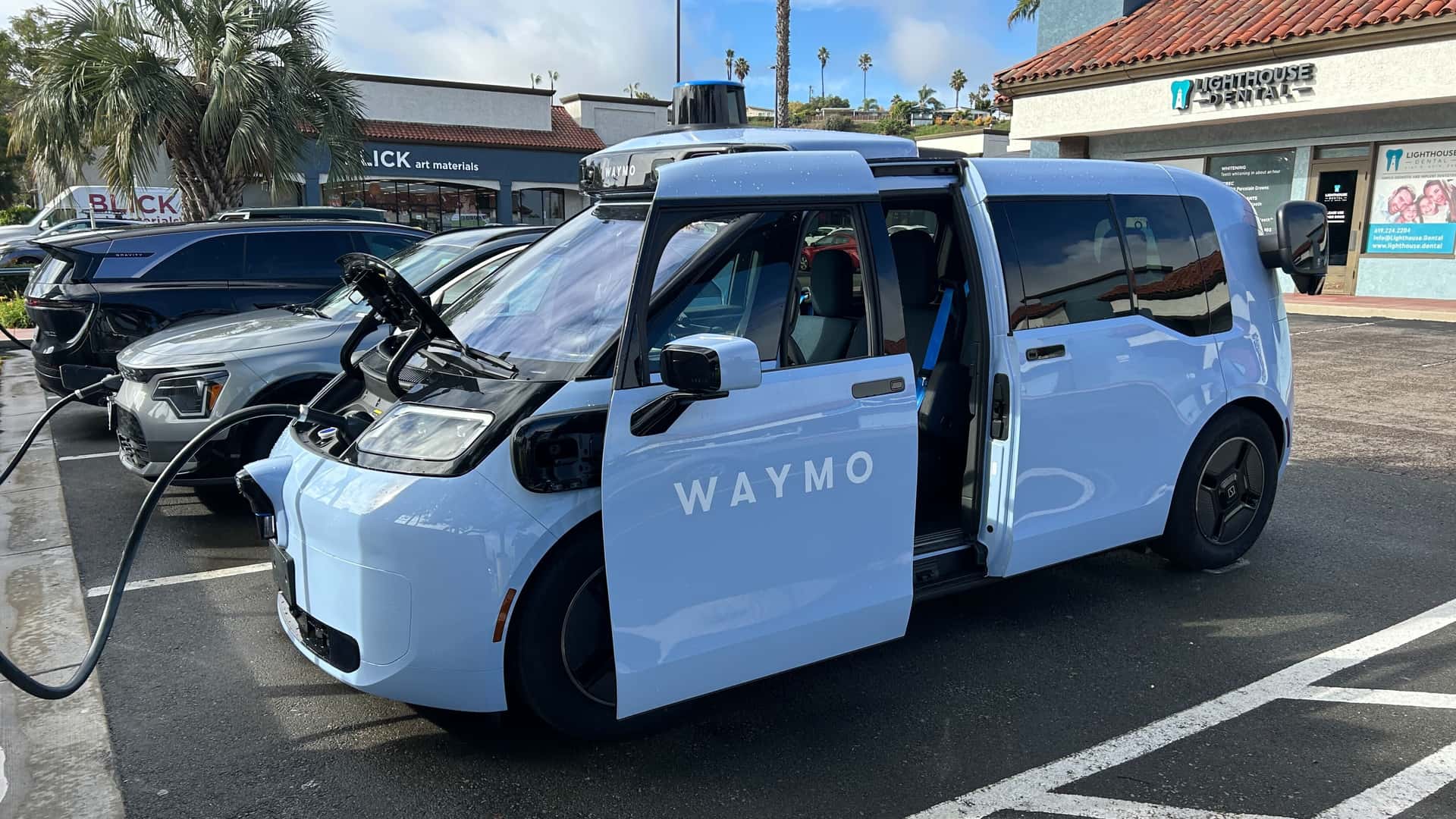
The latest-generation hardware suite from Waymo is set to revolutionize the world of driverless taxis. Known as the sixth-generation Waymo Driver system, this new technology is not only cheaper but also more capable and scalable than its predecessor. This advancement marks a significant step forward for the company as it prepares to deploy its robotaxis on the streets of America.
The first vehicle to receive the new hardware suite is the Zeekr-made Ojai electric minivan, with the Hyundai Ioniq 5 crossover set to follow suit. Waymo plans to offer fully autonomous rides to its employees in Los Angeles and San Francisco before rolling out public rides. The company’s fleet will also include Hyundai Ioniq 5 EVs equipped with the same cutting-edge technology. This move represents a shift from the previous hardware exclusively fitted to the Jaguar I-Pace EV.
The sixth-generation hardware suite combines high-definition cameras, lidar, and radar to provide a comprehensive 360-degree view of the vehicle’s surroundings. This multi-sensor approach offers several fallback options, distinguishing it from Tesla’s vision-only strategy. Waymo’s focus on safety and reliability is evident in its meticulous design and development process.
In an effort to reduce costs and expand its presence in the competitive robotaxi market, Waymo has optimized its production process for high-volume manufacturing. The company aims to adapt the sensor suite to a wide range of vehicles, making it easier and quicker to deploy across different platforms. By scaling its factory in Metro Phoenix, Waymo is preparing to produce tens of thousands of Driver hardware kits annually, driving down costs as production volume increases.
With plans to expand to 20 new cities this year, Waymo is gearing up for a significant increase in its fleet size. The company’s commitment to innovation and efficiency is evident in its relentless pursuit of cutting-edge technology and operational excellence. The sixth-generation Waymo Driver system sets a new standard for autonomous driving technology, paving the way for a future where self-driving vehicles are an integral part of everyday life. Waymo, the self-driving technology company, is continuously improving its sensor systems to ensure the safety and efficiency of its robotaxis. One of the key features of these sensor systems is the cleaning mechanism that helps prevent any impairment to the robotaxi’s driving abilities, even if they get covered with snow or debris.
The latest sensor system from Waymo utilizes a total of 16 17-megapixel cameras, which are capable of capturing millions of data points to produce incredibly sharp images. This is a significant improvement from the previous-generation system, which had 29 cameras. These new “imagers” have enhanced dynamic range, allowing them to see better in low-light conditions, such as during the night.
In addition to the high-resolution cameras, the sensor suite includes short-range lidar units that can identify vulnerable road users with centimeter-scale accuracy. Radar sensors are also integrated into the system to provide additional information about the surrounding environment. Moreover, an improved set of external audio receivers, known as EARs, can detect approaching emergency vehicles or trains based on their sound signature.
Currently, Waymo operates a fleet of around 1,500 cars, but the company has ambitious plans to expand this fleet to 3,500 vehicles by the end of the year. With a focus on safety and innovation, Waymo continues to push the boundaries of autonomous driving technology, paving the way for a future where self-driving vehicles are the norm on our roads.