
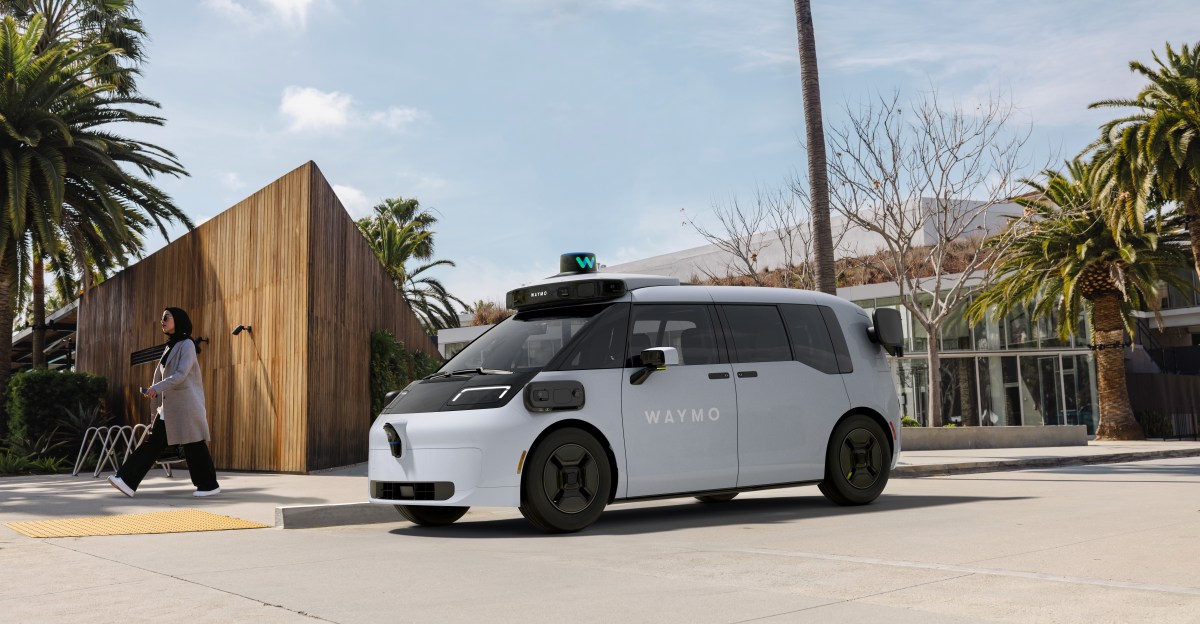
Waymo, the autonomous driving company, has officially announced the launch of its sixth-generation robotaxi technology. After rigorous testing and validation, Waymo is confident that this updated system is ready for passenger trips. Initially, the technology will be made available to Waymo employees and their friends in San Francisco and Los Angeles, with plans to expand to the general public.
The previous fleet of Waymo vehicles, which utilized the company’s fifth-generation technology, featured Jaguar I-Pace vehicles. However, with Jaguar discontinuing this model, Waymo has upgraded its system to be compatible with various vehicle types. The new system will first be implemented in the Zeekr RT minivan (now rebranded as Ojai) and then in the Hyundai Ioniq 5. Waymo is also in discussions with other automakers, such as Toyota, for future collaborations.
The sixth-generation system is touted as the smartest and most capable autonomous vehicle technology designed by Waymo. Despite using fewer sensors, the system offers enhanced capabilities. The cameras are more powerful, the lidar can detect objects missed by cameras, and the radar is optimized for extreme weather conditions. Moreover, the system is built for high-volume production, allowing for the manufacture of tens of thousands of units annually.
Waymo’s VP of engineering, Satish Jeyachandran, emphasized the system’s readiness for diverse environments, including those with extreme winter weather conditions. The development of this sixth-generation technology was informed by seven years of experience, 200 million miles of testing in over 10 major cities, and a commitment to safety and resilience.
The new vision system features high-powered 17-megapixel cameras, known as “imagers,” capable of capturing millions of data points for sharp images. Additionally, strategically placed short-range lidar and affordable radar sensors enhance the system’s capabilities. These sensors are crucial for identifying vulnerable road users and navigating challenging weather conditions.
Waymo’s focus on reducing costs and increasing production efficiency is evident in its plans to scale up its fleet. The company aims to add thousands of new vehicles in 2026, with the ultimate goal of deploying tens of thousands of vehicles globally. Lowering costs will be essential for Waymo and other robotaxi companies as they expand into new markets and solidify their position in the autonomous vehicle industry.
In conclusion, Waymo’s sixth-generation robotaxi technology represents a significant advancement in autonomous driving capabilities. With a focus on safety, resilience, and cost-efficiency, Waymo is poised to lead the way in the autonomous vehicle market.