
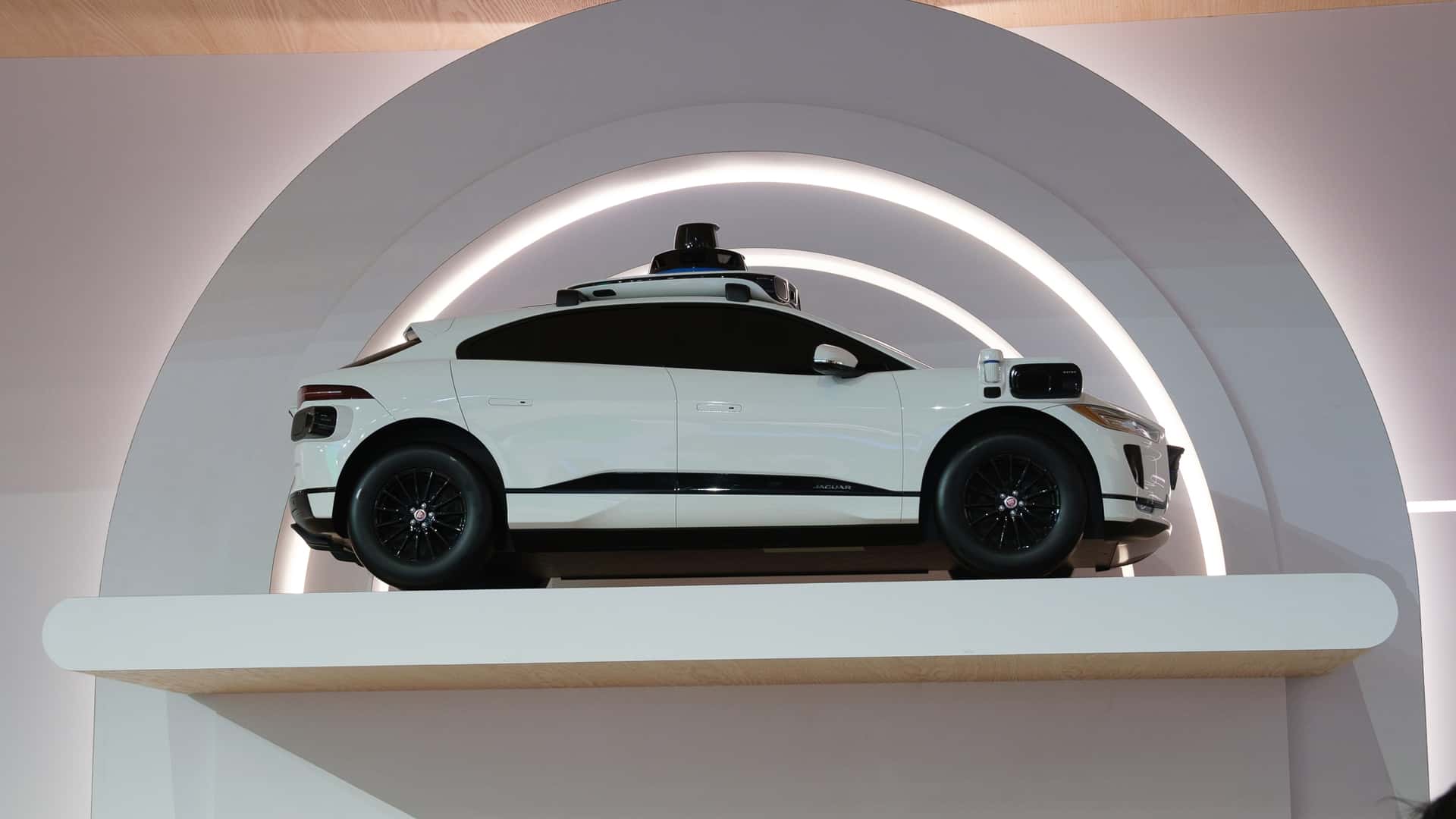
Waymo, the self-driving car company owned by Alphabet, has made significant strides in the past few years to bring driverless taxis to urban areas. Despite some initial resistance from protestors, Waymo taxis have now become a common sight in the San Francisco Bay Area. The company is now gearing up to expand its services to even more cities in 2026.
In a recent announcement, Waymo revealed that it has launched public rides in four additional cities: Dallas, Houston, San Antonio, and Orlando. This brings the total number of metro areas where you can order a Waymo taxi to 10, including San Francisco, Los Angeles, Phoenix, Atlanta, Austin, and Miami. Initially, access to these driverless taxis will be limited to a select number of riders, with plans to gradually expand to more users in the future.
Waymo has been at the forefront of self-driving technology since 2009 and has been rapidly expanding its operations. Last year, the company was conducting 200,000 paid rides per week in San Francisco, LA, and Phoenix. By the end of 2025, this number had doubled to 400,000 rides weekly across six metro areas. Waymo aims to reach 1 million rides per week by the end of this year and has plans to operate in at least 20 cities worldwide in the near future.
While Waymo is making significant progress in the autonomous vehicle space, other companies like Uber are also vying for a piece of the market. Uber, leveraging its large scale in ride-hailing, aims to position itself as a key player in the autonomous revolution. Waymo cars are currently available exclusively on the Uber platform in a few cities.
Interestingly, Waymo’s recent expansion announcement did not mention Uber, indicating that the company may be confident in its ability to scale independently. As Waymo continues to grow its global reach, it will need to navigate a variety of local regulations, set up fleet management, charging infrastructure, and ensure the safety and efficiency of its driverless taxis in new locations.
On the other hand, Tesla, another major player in the autonomous vehicle space, has been slower to scale its Robotaxi service. Despite being seen as a leader in autonomy, Tesla has only 44 vehicles active in Austin, falling short of Elon Musk’s earlier predictions. Waymo, in comparison, has around 3,000 vehicles in operation and has been conducting human-free rides for years.
As the race for dominance in the autonomous vehicle market heats up, Waymo’s expansion plans and technological advancements position it as a frontrunner in the industry. With a strong focus on safety, efficiency, and global reach, Waymo is poised to revolutionize urban transportation with its driverless taxis.
However, recent incidents involving Waymo’s robotaxis have raised concerns among regulators and the public about the safety of autonomous vehicles, particularly when it comes to interactions with school buses and children. One such incident involved a Waymo vehicle hitting a child at low speed, prompting an investigation by regulatory authorities.
The scrutiny of Waymo’s robotaxis comes at a time when the company is looking to expand its operations and deploy more vehicles on the road. This expansion raises questions about the company’s ability to scale up its operations while ensuring the safety of pedestrians, especially vulnerable populations such as children.
In contrast, Tesla has been touting its ability to scale up its autonomous driving technology quickly and efficiently, thanks to its large fleet of cars equipped with cameras. The automaker argues that its camera-only approach is simpler and more effective than the lidar-based technology used by Waymo and other competitors.
While Tesla’s approach may have its advantages in terms of scalability, the recent incidents involving Waymo’s robotaxis highlight the importance of safety and regulatory oversight in the development of autonomous vehicles. As the technology continues to advance, it is crucial for companies like Waymo and Tesla to prioritize safety and transparency in their operations.
Ultimately, the success of autonomous vehicles will depend not only on their ability to scale up quickly but also on their ability to operate safely and responsibly on the road. As regulators continue to scrutinize the actions of companies like Waymo, the future of autonomous driving remains uncertain. It is up to companies like Waymo and Tesla to demonstrate that they can navigate these challenges and deliver on the promise of a safer, more efficient transportation system for all.