
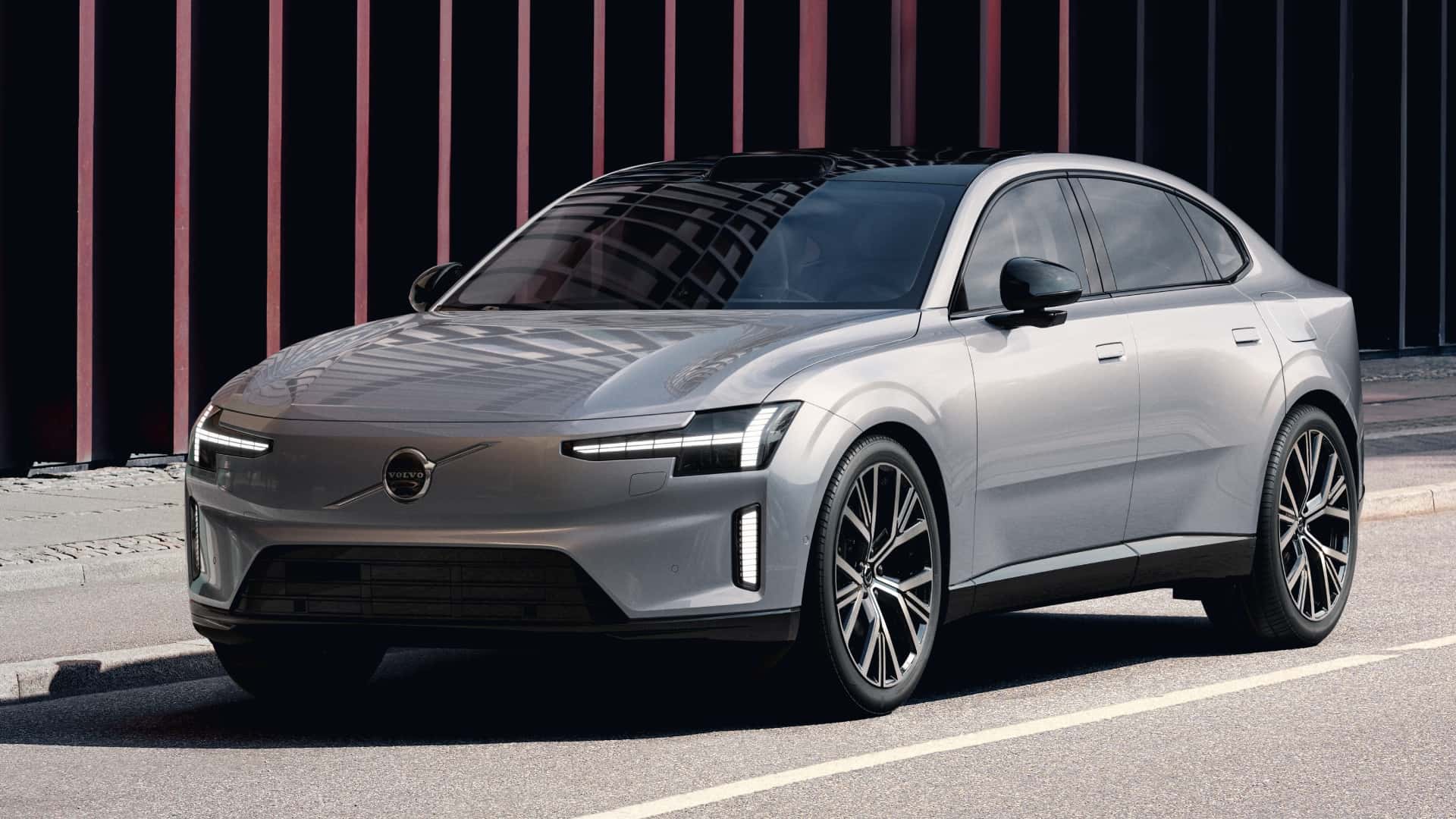
Unfortunately, with tariffs making it less profitable to sell certain models in the U.S., Volvo has had to make some tough decisions. This has led to the discontinuation of most sedans and wagons in the American market.
The blame for this shift lies squarely on tariffs, which have made it difficult for Volvo to continue selling certain models in the U.S. Despite this setback, Volvo wants to assure its American customers that it is not abandoning them. The company is simply adjusting its product lineup to adapt to the changing market conditions.
The decision to halt sales of sedans and wagons in the U.S. was not taken lightly. Volvo has observed a lack of consumer interest in these models, prompting the automaker to focus on crossovers and SUVs instead. This shift in strategy is necessary for Volvo to remain competitive and profitable in the U.S. market.
One of the casualties of this decision is the ES90 electric sedan, which will not be coming to the States due to profitability concerns. Similarly, the V90 wagon is also facing global discontinuation, leaving the V60 as the only remaining wagon in the U.S. lineup.
The impact of tariffs is also evident in the pricing of certain models, such as the EX30, which saw a significant price increase due to tariffs. Volvo is working to resume sales of affected models in the near future, but the company acknowledges the challenges posed by tariffs in the current market environment.
Ultimately, Volvo remains committed to the U.S. market, but the company must make strategic decisions to ensure its long-term success. By focusing on crossovers and SUVs, Volvo aims to deliver the products that American consumers want while navigating the complexities of the global automotive market.
However, the challenges facing Volvo go beyond just declining sales in North America. The ongoing global semiconductor chip shortage has hit the automotive industry hard, causing production delays and supply chain disruptions for many manufacturers, including Volvo. This shortage has forced Volvo to reduce its production capacity, leading to increased costs and decreased output.
As a result, Volvo may struggle to maintain its competitive pricing in the premium segment. The increased production costs due to the chip shortage could force the brand to raise prices on its vehicles in order to maintain profitability. This could potentially alienate price-sensitive consumers and make it harder for Volvo to compete with other luxury brands that are able to absorb these increased costs.
Furthermore, the chip shortage has also impacted the availability of certain high-tech features and options that are typically found in Volvo vehicles. This could further hinder the brand’s ability to differentiate itself in the market and offer unique selling points to consumers. Without access to the latest technology and innovations, Volvo may struggle to justify premium pricing for its vehicles.
In order to navigate these challenges and maintain its competitiveness in the premium segment, Volvo will need to carefully manage its pricing strategy and find ways to offset the increased production costs caused by the chip shortage. This may involve exploring alternative sourcing options, streamlining production processes, and focusing on cost-effective solutions to mitigate the impact of the shortage on its bottom line.
Ultimately, the ability of Volvo to weather the storm of the chip shortage and maintain its position as a premium automotive brand will depend on its ability to adapt to the changing market conditions and continue to offer high-quality, innovative vehicles to consumers at a competitive price point.