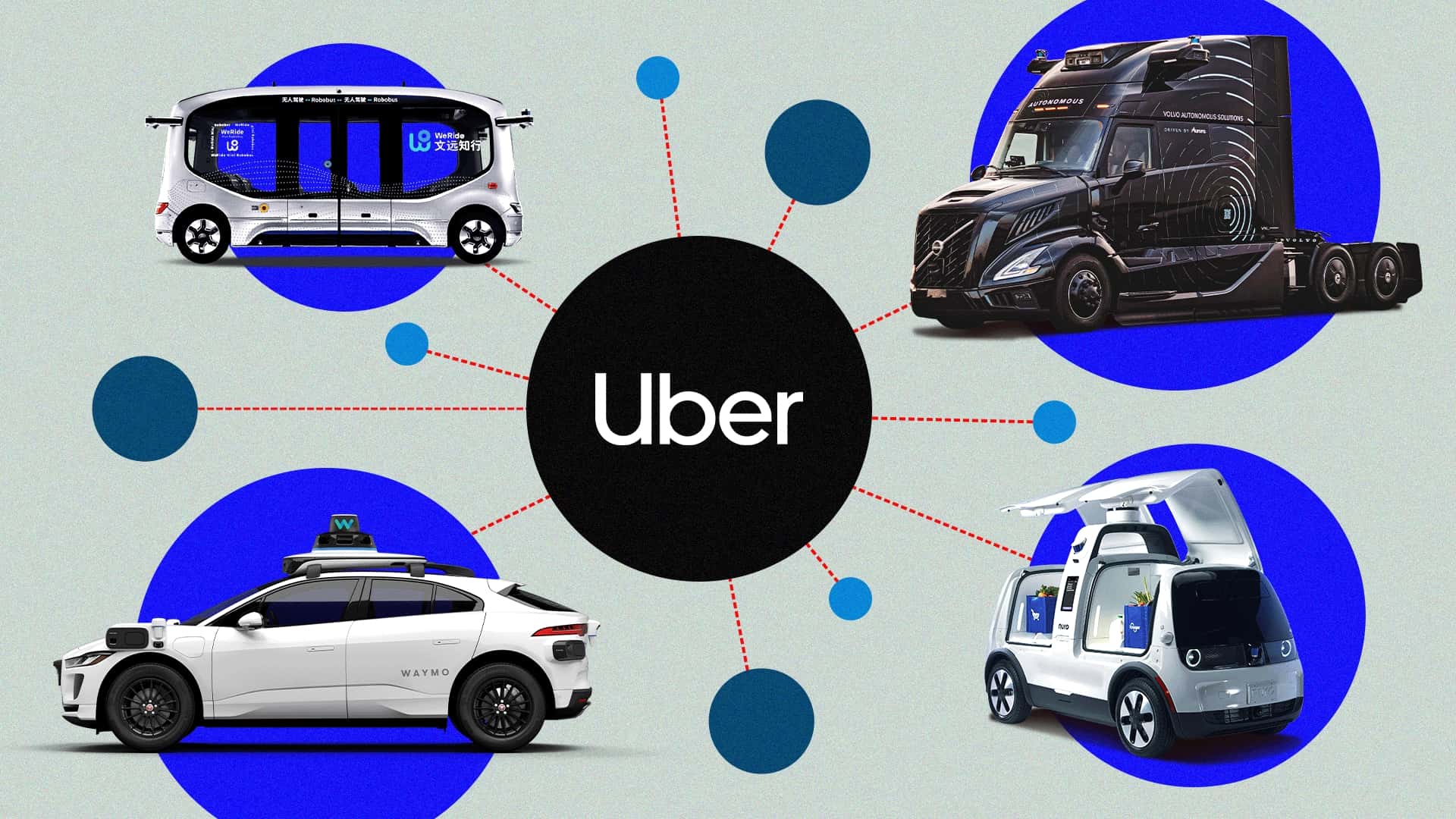
For riders, the promise of autonomous vehicles means potentially cheaper, more efficient and safer rides. With AVs, Uber could reduce operating costs by eliminating the need for human drivers, passing those savings on to customers. The company has also said it will reinvest those savings into its AV partners to develop new technology and improve the rider experience.
However, this shift could have significant implications for the millions of drivers who rely on platforms like Uber to make a living. As AVs become more prevalent, the need for human drivers will decrease, potentially leading to job loss and economic hardship for many.
Uber has acknowledged this concern and has pledged to support its drivers through the transition. The company has committed to providing resources and training for drivers to transition to new roles within the company or in other industries. It has also said it will work with local governments and organizations to provide support for displaced drivers.
Conclusion
Uber’s aggressive push into the autonomous vehicle space has the potential to revolutionize the transportation industry. By partnering with a wide range of AV companies and manufacturers, Uber aims to be at the forefront of the shift towards electrification and autonomy.
While the move towards AVs could have significant benefits for riders in terms of cost and safety, it also raises concerns about the impact on human drivers. Uber’s commitment to supporting its drivers through the transition will be crucial in ensuring a smooth and equitable shift to autonomous vehicles.
Overall, Uber’s AV expansion plans represent a bold and ambitious vision for the future of transportation. Only time will tell if the company’s many partnerships and investments will pay off, but one thing is clear: the transportation sector is on the brink of a major transformation.
This shift in strategy has led to a flurry of partnerships with various AV companies around the world. One such partnership is between Nvidia and Mercedes-Benz, where they are collaborating on a robotaxi service in global cities such as Abu Dhabi. The Mercedes-Benz S-Class equipped with Nvidia’s Drive Hyperion technology will provide a seamless and safe ride-hailing experience for passengers.
Another innovative partnership is between Avride and Hyundai, where they are deploying robotaxis and sidewalk robots for both ride-hailing and delivery services in cities like Dallas, Austin, and Jersey City. This collaboration aims to revolutionize the way people and goods are transported within urban areas.
In the Middle East, companies like Tawasul and New Horizon are focused on fleet management solutions for autonomous vehicles. These partnerships are paving the way for a future where autonomous vehicles play a significant role in transportation and logistics in the region.
On the delivery front, companies like Serve Robotics, Cartken, and Coco Robotics are leading the way with autonomous delivery robots operating on sidewalks in the U.S., Japan, and Finland, respectively. These partnerships are reshaping the last-mile delivery ecosystem and making it more efficient and sustainable.
Flytrex, Starship, and Torc Robotics are also making strides in the autonomous delivery and trucking space with drone delivery pilots, sidewalk delivery robots, and autonomous trucking solutions in the U.S. and Europe.
Moreover, companies like EVGo, Revel, Hubber, Ionity, and Electra are focusing on AV charging infrastructure in cities like London, Paris, and Madrid. These partnerships are crucial for supporting the growing fleet of autonomous vehicles and ensuring they have access to reliable and efficient charging solutions.
Overall, these partnerships are driving innovation and collaboration in the AV industry, leading to the development of advanced technologies and solutions that will shape the future of transportation and mobility. As companies continue to work together, we can expect to see more groundbreaking developments that will revolutionize the way we move around cities and beyond. The future of autonomous vehicles (AVs) is rapidly evolving, with companies like Uber leading the charge towards a more efficient and reliable ride-sharing experience. Uber’s focus on horizontal integration, partnering with companies like Waymo, Lucid, and Nuro, aims to create a seamless ecosystem for AVs that benefits both consumers and businesses alike.
According to Uber, their autonomous trips in Austin and Atlanta, facilitated through Waymo on the Uber app, have shown a 30% higher utilization rate compared to AVs operated by first-party operators in Los Angeles and Phoenix. This increased utilization rate is a key factor in the success of autonomous ride-sharing services, as it ensures that vehicles are constantly in use, maximizing efficiency and profitability.
Uber’s partnership with Lucid and Nuro, which involves the purchase of 20,000 Lucid Gravity SUVs equipped with Nuro’s autonomous hardware and software, is a strategic move towards expanding their AV fleet. The Gravity robotaxis, set to enter service in San Francisco this year, offer superior operational efficiency compared to competitors like Waymo, with a strong EPA range of up to 450 miles and fast-charging capabilities that enable 200 miles of range in just 11 to 15 minutes.
Nuro’s cost-effective hardware also gives Uber a competitive edge, as it significantly reduces the overall costs of operating an autonomous ride-sharing service. However, the initial investment in Gravity SUVs, priced at $80,000 each, may pose a financial challenge for Uber in the short term.
Despite the promising outlook for Uber’s autonomous vehicle initiatives, industry experts caution that consolidation within the AV market is inevitable. Not all partnerships and deals may survive in the long run, as companies continue to innovate and adapt to the rapidly changing landscape of autonomous transportation. As Uber and its partners navigate this evolving industry, the platform that can offer the highest utilization rates and superior reliability will ultimately capture the largest share of value in the AV market. The future of autonomous vehicles (AVs) is uncertain, with the possibility that only a few technology providers will emerge as winners, while others may die out. This sentiment was echoed by Nuro’s Chapin, who remarked that it is challenging to envision a scenario where AV technology becomes commoditized among a large number of players.
However, despite the uncertainty, there are reasons to believe that Uber will continue to play a central role in this technological revolution. According to Harry Campbell, the founder of The Driverless Digest newsletter and The Rideshare Guy website, Uber’s existing user base and widespread adoption make it a strong contender in the AV market. While tech-savvy users may explore other options like Waymo or Tesla’s Robotaxi app, the convenience of having all transportation needs met through a single platform like Uber is a compelling factor.
Uber’s flexibility also sets it apart from pure-play AV companies. The ability to seamlessly switch between human drivers and AVs allows Uber to cater to varying levels of demand, ensuring efficient service delivery during peak hours and special events. Human drivers can take a break during low-demand periods, managing their expenses and vehicle upkeep independently, unlike AV operators who face high operational costs and the need for extensive infrastructure.
Despite the potential impact on human jobs, the transition to robotaxis won’t happen overnight. Industry experts predict a gradual adoption of autonomous vehicles, with Goldman Sachs forecasting 35,000 robotaxis in the U.S. by 2030, representing 8% of the ride-hailing market. Uber’s own data shows that robotaxis currently make up just 0.1% of all ride-hail trips globally, indicating a slow but steady growth trajectory.
In conclusion, while the AV landscape is evolving rapidly, with uncertainties about market consolidation and technology advancements, Uber’s established presence and operational flexibility position it as a key player in the future of autonomous transportation. As the industry continues to mature, collaboration between technology providers, regulatory bodies, and consumers will be crucial in shaping the next generation of mobility solutions. The future of autonomous ridesharing seems promising, with projections indicating growth in the coming years. However, despite this optimism, autonomous vehicles are expected to remain a small portion of overall rideshare trips for the foreseeable future. There are various challenges and uncertainties that need to be addressed before widespread adoption can occur.
One of the main concerns surrounding robotaxis is safety and reliability. While autonomous vehicles have made significant advancements, they are still not completely foolproof. Issues such as inclement weather conditions can pose challenges for these vehicles, and incidents like the recent power outage in San Francisco have highlighted their vulnerabilities. Ensuring the safety of passengers and pedestrians remains a top priority for companies developing autonomous technology.
Another hurdle to overcome is the financial aspect of autonomous ridesharing. Despite the potential cost savings in the long run, autonomous services are not yet profitable and require substantial upfront investments in technology. Waymo’s recent $16 billion funding round is a testament to the significant financial resources needed to develop and deploy autonomous vehicles. Companies will need to find sustainable business models to make autonomous ridesharing economically viable.
In addition to safety and financial concerns, navigating the regulatory landscape is another challenge for autonomous ridesharing. Regulations governing autonomous vehicles vary from state to state, creating a patchwork of rules and requirements that companies must navigate. Achieving regulatory compliance and ensuring that autonomous vehicles meet safety standards will be critical for the widespread adoption of this technology.
Despite these challenges, the potential benefits of autonomous ridesharing are significant. From reducing traffic congestion and emissions to improving transportation accessibility, autonomous vehicles have the potential to transform the way we travel. As companies continue to invest in autonomous technology and address the hurdles standing in the way of its adoption, we may see a future where autonomous ridesharing becomes a mainstream mode of transportation.