
Uber and Rivian have recently announced a groundbreaking partnership that will see the deployment of 50,000 fully autonomous robotaxis over the next few decades. This collaboration involves a significant investment from Uber, totaling $1.25 billion in Rivian by 2031. The deal is contingent on Rivian meeting specific autonomy milestones, with an initial investment of $300 million at the signing of the agreement, pending regulatory approval.
This strategic alliance signifies a strong show of confidence in Rivian’s autonomous technology endeavors, particularly its development of custom AI chips to power Level 4 autonomous vehicles. On the other hand, Uber has been actively engaging in partnerships within the robotaxi industry, aiming to provide its vast customer base access to autonomous rides.
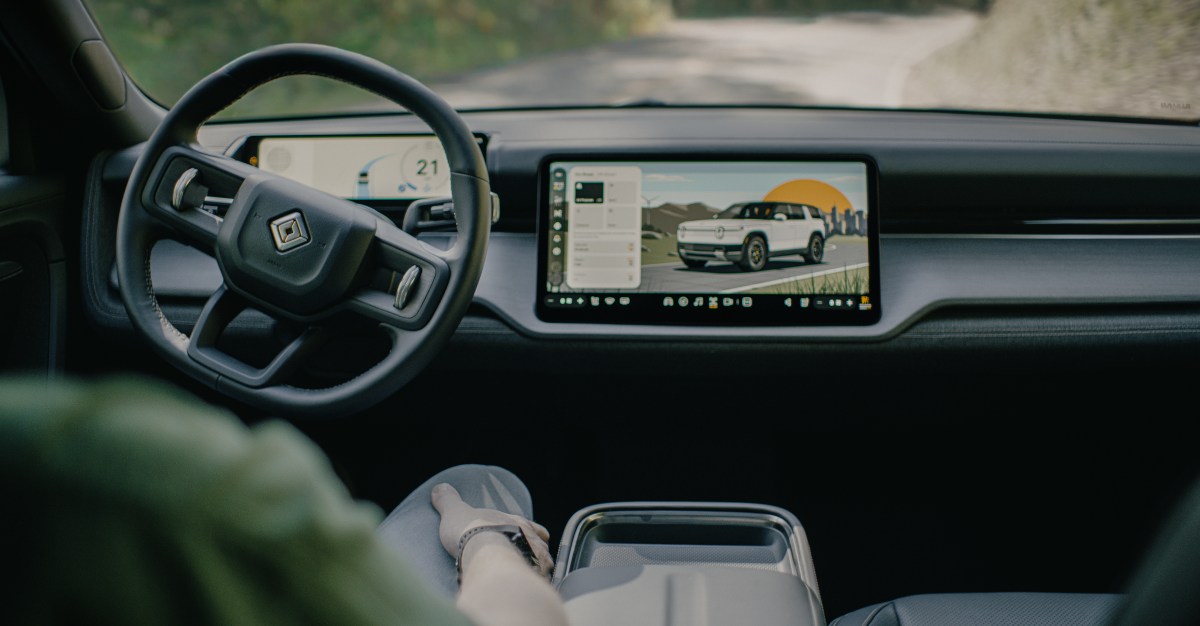
The initial phase of the partnership will focus on deploying 10,000 autonomous R2 vehicles as robotaxis in cities like San Francisco and Miami by 2028. The companies plan to expand to an additional 25 cities by 2031, with Rivian’s autonomous robotaxi fleet exclusively available on the Uber app.
Drawing parallels to a previous deal Uber struck with Lucid, the agreement with Rivian mirrors a similar structure with an initial investment and the promise of thousands of robotaxis. Rivian’s autonomous capabilities are still largely theoretical, with the company yet to publicly demonstrate most of its advancements. However, Rivian has introduced features like Universal Hands-Free driving and plans to implement lidar sensors for Level 4 autonomy on its R2 vehicles.
If Rivian successfully achieves the outlined milestones, the partnership aims to deploy thousands of unsupervised Rivian R2 robotaxis across multiple cities in the US, Canada, and Europe by the end of 2031. The agreement also includes the option to negotiate the purchase of up to 40,000 additional autonomous vehicles starting in 2030, totaling 50,000 robotaxis.
The influx of funds from Uber comes at a crucial juncture for Rivian as it gears up for the production phase of the R2. While Rivian had approximately $6 billion in cash at the beginning of the year, the company anticipates significant expenses in ramping up R2 production. The investment from Uber will provide some financial relief amidst these challenges.
On the other hand, Uber faces its own hurdles as it navigates various partnerships in the autonomous vehicle space. The company aims to position itself as a leading network for robotaxis, offering enticing incentives to potential partners. However, Uber must address concerns about its continued relevance and sustainability in the face of increasing competition from autonomous vehicles.
In conclusion, the collaboration between Uber and Rivian holds immense promise for the future of autonomous transportation. By combining Rivian’s technological expertise with Uber’s expansive network, the partnership aims to revolutionize the way people commute in urban environments. The journey towards fully autonomous robotaxis is just beginning, and this alliance marks a significant step forward in that direction.