
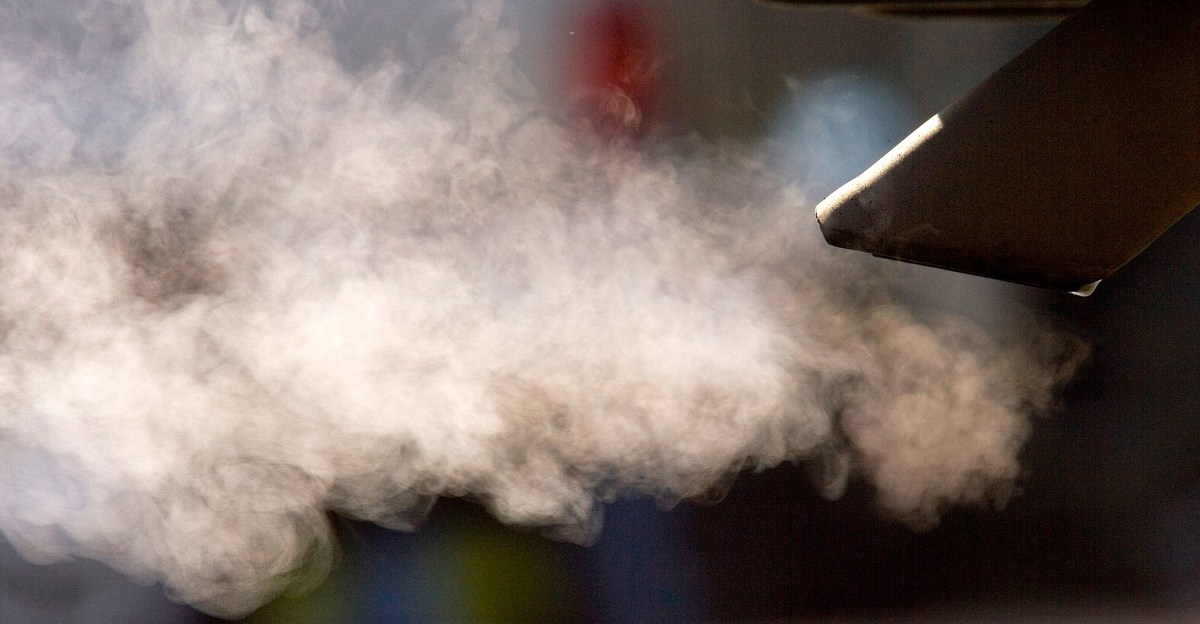
The Trump administration has made a controversial decision to eliminate the landmark endangerment finding that has been the basis for federal regulations on planet-heating pollution since 2009. This finding has allowed the Environmental Protection Agency (EPA) to create rules that limit greenhouse gas emissions under the Clean Air Act. By attacking the endangerment finding, the administration can effectively undercut all regulations aimed at reducing greenhouse gas emissions.
In a recent announcement, the EPA finalized its plans to overturn the endangerment finding as part of its efforts to revamp tailpipe pollution standards. This move could have far-reaching effects on initiatives to reduce carbon emissions from power plants and other industrial facilities, which contribute to extreme weather events and other climate disasters. Given that the United States is one of the largest contributors to carbon pollution globally, the impact of this decision will be felt worldwide.
Environmental advocates and organizations have strongly criticized this decision, with Dominique Browning, the director and cofounder of Moms Clean Air Force, stating that there is no morally defensible reason for ending the EPA’s responsibility to address climate pollution. The endangerment finding, issued in 2009, recognized the threat that greenhouse gases pose to public health and the welfare of current and future generations. The World Health Organization has warned of the potential increase in deaths due to climate change-related factors such as malnutrition, malaria, and heat stress.
The EPA justifies its decision by focusing on reducing regulations that it deems burdensome for US businesses and consumers. By rescinding the endangerment finding, the agency aims to eliminate federal greenhouse gas emission standards for vehicles and engines from model years 2012 onwards. EPA Administrator Lee Zeldin touted this move as the single largest deregulatory action in US history, claiming that it will save trillions of dollars and reduce costs for consumers.
However, critics argue that the repeal of the endangerment finding could have negative economic consequences in the long run. A report by Energy Innovation suggests that Americans could incur billions of dollars in additional costs over the next 25 years, primarily at the gas pump. Furthermore, legal challenges from environmental groups are expected, which could ultimately lead to a Supreme Court decision that could limit future administrations from implementing climate regulations.
In light of these developments, states may need to take the lead in implementing their own climate pollution limits. Advocates like Aaron Kressig from Western Resource Advocates are urging state leaders to take bold action to combat climate change in the absence of federal regulations. However, the patchwork of state policies could create legal uncertainties for businesses, as highlighted by Albert Gore of the Zero Emission Transportation Association.
Ultimately, the decision to rescind the endangerment finding has far-reaching implications for climate policy and environmental protection efforts in the United States. It remains to be seen how this decision will shape future actions to address the pressing issue of climate change. The decision to roll back emission standards, as announced by the Trump administration, has sent shockwaves through the automotive industry. This move pulls the rug out from companies that have invested heavily in manufacturing next-gen vehicles across the United States. Automakers had been gearing up to meet stricter fuel economy standards set in place by the Obama administration, but with this new development, their plans have been thrown into disarray.
The rollback of these standards will have far-reaching consequences for the industry. Companies that have poured resources into developing electric vehicles and other fuel-efficient cars will now have to rethink their strategies. This sudden shift in policy could lead to a slowdown in innovation and investment in cleaner technologies, as automakers may scale back their efforts in response to the looser regulations.
Not only will this decision impact the environment, but it will also have economic repercussions. States that have invested in building infrastructure to support electric vehicles, such as charging stations, may see a slowdown in adoption if automakers pivot away from producing these types of vehicles. This could also have a ripple effect on jobs in the clean energy sector, as demand for these products and services decreases.
The move to roll back emission standards has been met with criticism from environmental groups, who argue that it undermines efforts to combat climate change. The transportation sector is a significant source of greenhouse gas emissions, and stricter fuel economy standards are seen as a key tool in reducing these emissions. By weakening these standards, the Trump administration is sending a signal that it is prioritizing short-term economic interests over long-term environmental sustainability.
In conclusion, the decision to roll back emission standards is a setback for the automotive industry and for efforts to combat climate change. Companies that have invested in developing next-gen vehicles will now have to reassess their plans, and the impact of this policy shift will be felt across the industry. It remains to be seen how automakers will respond to these changes and what the long-term implications will be for the future of transportation in the United States. The world of technology is constantly evolving, with new advancements and innovations being introduced every day. One of the most exciting and promising developments in recent years is the rise of artificial intelligence (AI). AI has the potential to revolutionize the way we live and work, offering countless benefits and opportunities for growth.
One of the key areas where AI is making a significant impact is in the field of healthcare. With the ability to analyze vast amounts of data and identify patterns and trends that may not be immediately apparent to humans, AI can help healthcare providers make more accurate diagnoses and develop more personalized treatment plans for patients. This can lead to improved outcomes and better overall quality of care.
AI is also being used to streamline administrative tasks in healthcare, such as appointment scheduling, billing, and insurance processing. By automating these processes, healthcare providers can save time and resources, allowing them to focus more on patient care. This can result in a more efficient healthcare system that is better equipped to meet the needs of patients.
In addition to improving patient care and administrative efficiency, AI is also being used to advance medical research and drug development. By analyzing large datasets and identifying potential drug candidates, AI can help researchers accelerate the process of drug discovery and development. This has the potential to bring new treatments to market more quickly and efficiently, ultimately benefiting patients and healthcare providers alike.
Despite the many benefits of AI in healthcare, there are also challenges and concerns that must be addressed. One of the biggest concerns is the potential for bias in AI algorithms, which can lead to disparities in healthcare outcomes. It is important for developers and healthcare providers to work together to ensure that AI systems are fair and unbiased, and that they do not perpetuate existing inequalities in healthcare.
Overall, the rise of AI in healthcare holds great promise for improving patient care, advancing medical research, and increasing the efficiency of healthcare systems. By harnessing the power of AI, healthcare providers can unlock new opportunities for growth and innovation, leading to a brighter and healthier future for all. In today’s fast-paced world, it can be easy to get caught up in the hustle and bustle of everyday life. From work deadlines to family commitments, it can often feel like there is never enough time in the day to truly relax and unwind. However, taking the time to prioritize self-care is essential for maintaining overall health and well-being.
Self-care can take many forms, from indulging in a luxurious spa day to simply taking a few moments each day to practice mindfulness and relaxation techniques. It is important to remember that self-care is not selfish, but rather a necessary practice for maintaining mental, emotional, and physical health.
One of the most important aspects of self-care is ensuring that you are taking care of your physical health. This can include exercising regularly, eating a balanced diet, and getting enough sleep each night. Exercise has been shown to have numerous benefits for both physical and mental health, including reducing stress and anxiety, improving mood, and boosting energy levels. Eating a healthy diet rich in fruits, vegetables, whole grains, and lean proteins can also help to improve overall well-being.
In addition to physical health, it is also important to prioritize mental and emotional well-being. This can involve practicing mindfulness and relaxation techniques, such as meditation or deep breathing exercises, to help reduce stress and anxiety. Taking time each day to engage in activities that bring you joy and relaxation, such as reading a book, going for a walk in nature, or spending time with loved ones, can also help to improve mental and emotional well-being.
Self-care can also involve setting boundaries and learning to say no to things that do not serve your well-being. It is important to prioritize your own needs and desires, and to not feel guilty for taking time for yourself. This can involve setting aside time each day for self-care activities, or even scheduling regular self-care days or weekends to truly focus on your well-being.
Overall, self-care is an essential practice for maintaining overall health and well-being in today’s busy world. By prioritizing physical, mental, and emotional health, and setting boundaries to prioritize your own needs, you can ensure that you are taking care of yourself and living a happier, healthier life. So take some time for yourself today, and practice self-care to nourish your mind, body, and soul.