
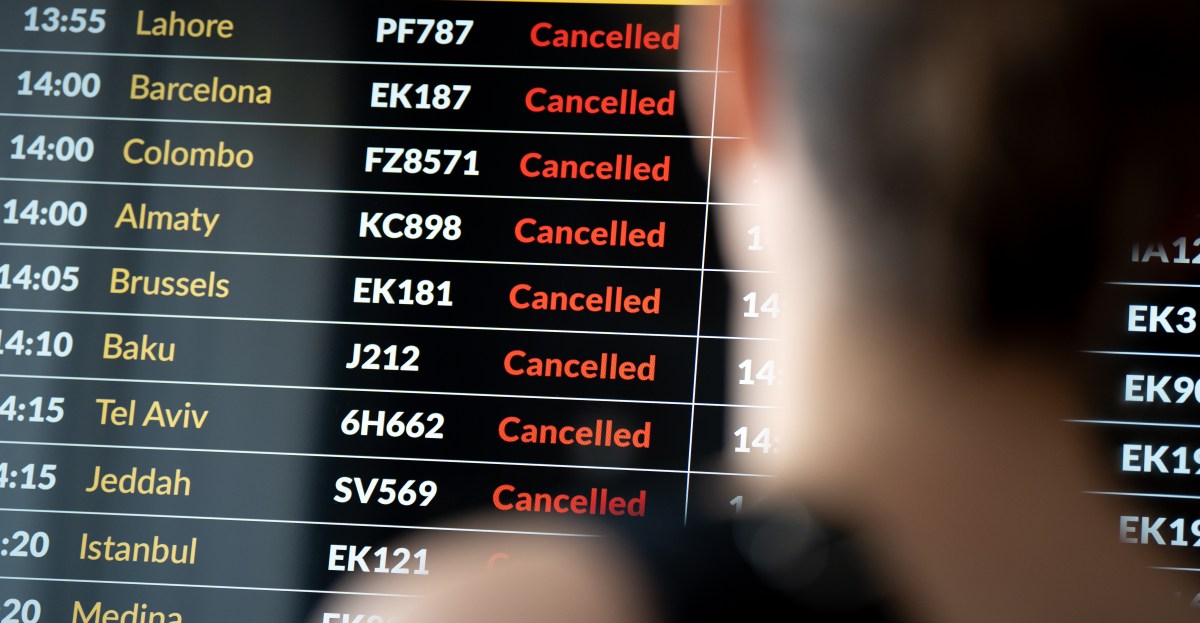
The events of Friday, February 28th, brought chaos and uncertainty to the skies over the Persian Gulf region. Samantha Lujano, a passenger waiting to board her flight from Dubai to Colombo, Sri Lanka, found herself in the midst of a sudden crisis. As drone attacks began in the area, flights were canceled, and airports became war zones.
The unfolding situation was exacerbated by the prevalence of social media, which spread alarming videos and information about the attacks. Lujano, like many others, found herself stranded in Dubai, unsure of when she would be able to leave. The closure of civilian airspace and the cancellation of thousands of flights left travelers like her in limbo.
The Persian Gulf region has long been a hub for international air travel, with major airports serving millions of passengers annually. The rapid growth of the aviation industry in the Gulf countries was driven by significant investments in infrastructure and technology. However, the recent conflict has disrupted the once-thriving aviation sector, causing widespread disruptions and economic impact.
The closure of airspace and the threat of further attacks have cast a shadow over the region’s image as a safe and vibrant destination. High-end restaurants, sporting events, and hotels have all felt the effects of the conflict, with many facing significant losses. The uncertainty surrounding the duration of the war has left travelers and businesses alike unsure of what the future holds.
Despite the challenges, some travelers like Natalia Izak and Tomasz Brozio have managed to navigate the crisis and find their way to safety. Their resilience and determination in the face of adversity reflect the spirit of many who have been affected by the conflict. As the region grapples with the aftermath of the attacks, the road to recovery for the aviation industry and the broader economy remains uncertain.