
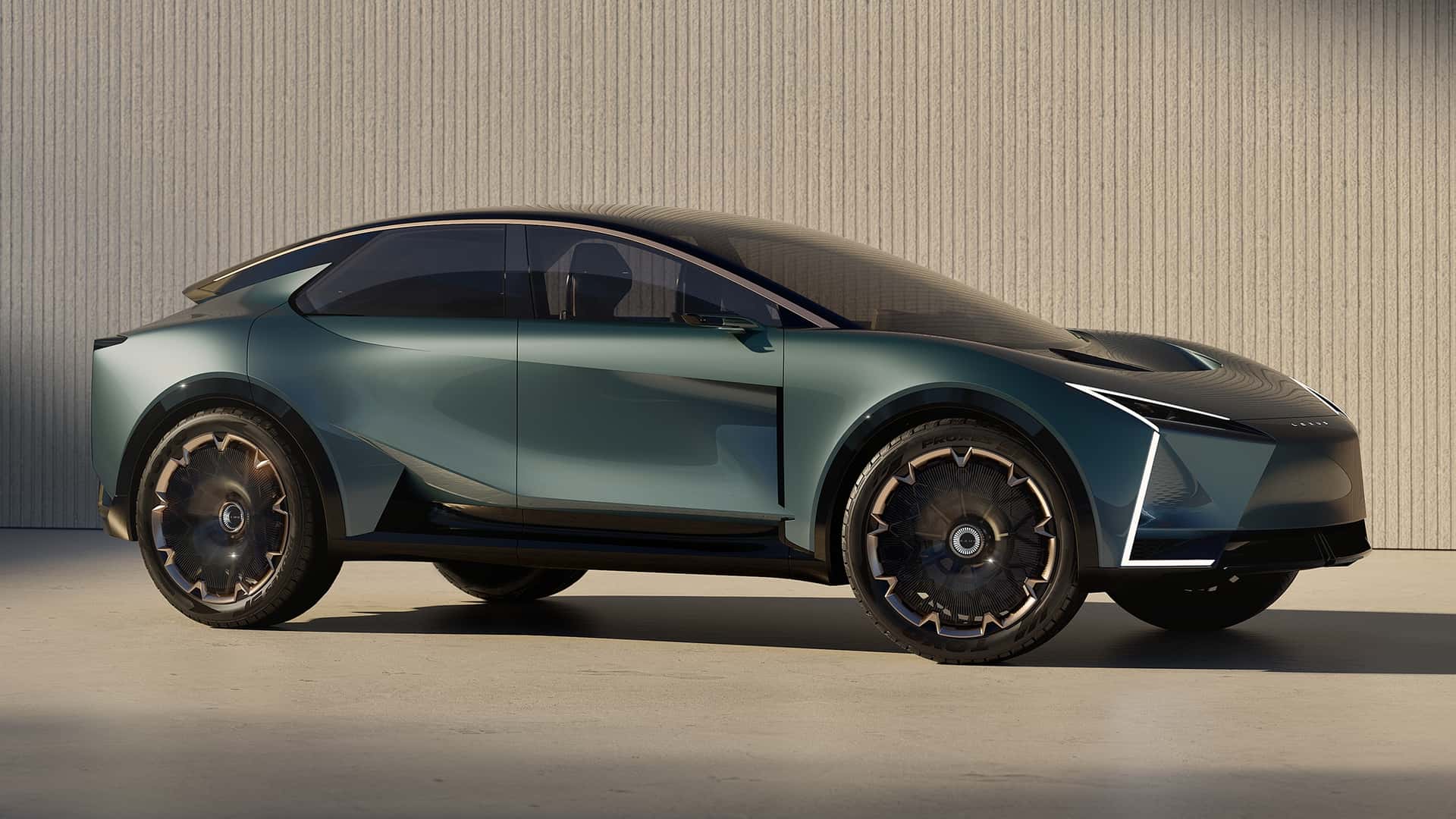
Toyota is making waves in the electric vehicle industry with its next-generation solid-state batteries. These innovative batteries are expected to revolutionize the driving range and charging speeds of electric vehicles, setting a new standard for longevity and performance.
According to reports, Toyota’s solid-state batteries are designed to last an impressive 40 years, far surpassing the lifespan of traditional lithium batteries currently in use. The company claims that these batteries can be reused multiple times over their four-decade lifespan with minimal energy degradation, providing a consistent and reliable power source for electric vehicles.
Keiji Kaita, the president of Toyota’s Carbon Neutral Advanced Engineering Development Centre, explained that while the initial cost of these batteries may be higher, their longevity and performance benefits will make up for the investment over time. By retaining 90% of their capacity after 40 years, these solid-state batteries could potentially change the way batteries are manufactured and utilized in vehicles.
Solid-state batteries have long been touted as the next big advancement in battery technology, offering longer range, reduced weight, improved safety, and faster charging capabilities. Toyota’s commitment to developing these advanced batteries signals a new era of electric vehicle technology, with the potential to make electric vehicles more accessible and efficient for consumers.
As automakers and battery experts continue to push the boundaries of battery technology, Toyota’s ambitious goals for solid-state batteries could pave the way for a more sustainable and efficient future in the automotive industry. With the promise of extended lifespan, improved performance, and reduced environmental impact, Toyota’s solid-state batteries are poised to make a significant impact on the electric vehicle market in the years to come. As the electric vehicle market continues to expand, the longevity and efficiency of battery technology have become crucial factors for automakers. Currently, many automakers offer eight-year warranties on their high-voltage battery packs, with Tesla claiming that its lithium-ion batteries can last up to 200,000 miles with 90% capacity retention.
However, the emergence of solid-state battery technology has raised hopes for even greater durability and performance. Solid-state batteries are believed to be capable of handling a significantly higher number of charge-discharge cycles compared to traditional lithium-ion batteries. For example, Colorado-based Solid Power, working with BMW, has stated that its experimental solid-state batteries can last more than 1,000 charging cycles. A study conducted by Harvard University reported that a solid-state battery retained 80% of its original capacity after 6,000 cycles. Samsung SDI has also claimed that its solid-state batteries will be designed to last up to 20 years.
The potential benefits of solid-state batteries include fewer replacements, lower costs over a vehicle’s lifespan, and a reduced environmental impact from battery production. With longer-lasting batteries, there will be less need for labor-intensive mining and a decrease in wastage in the long term.
Toyota is one of the automakers at the forefront of developing solid-state battery technology. The company has partnered with electrolyte supplier Idemitsu Kosan and cathode-material supplier Sumitomo Metal Mining to bring its solid-state battery dreams to reality. Sumitomo Metal Mining has announced that it will prioritize supplying Toyota first before other customers.
There have been conflicting reports on where Toyota will first deploy solid-state batteries. While Toyota’s chief scientist, Gill Pratt, initially suggested that the first application could be on a Toyota hybrid, the company later hinted at a high-power, compact, and long-range application at the 2025 Japan Mobility show. This could potentially be seen in the production version of the Lexus Electrified Sport Concept, a possible successor to the LFA. It is also possible that both a hybrid and a sports car could feature solid-state batteries around the 2027-2028 timeframe.
Overall, the development of solid-state battery technology holds great promise for the future of electric vehicles, offering increased durability, improved performance, and a more sustainable approach to energy storage in the automotive industry. The world of technology is constantly evolving, with new advancements and breakthroughs being made every day. One of the most exciting developments in recent years is the rise of artificial intelligence (AI). AI has the potential to revolutionize almost every aspect of our lives, from how we work to how we interact with technology.
AI is a branch of computer science that aims to create machines that can think, learn, and problem solve like humans. These machines are designed to mimic human intelligence and perform tasks that would normally require human intelligence, such as recognizing speech, making decisions, and solving complex problems.
One of the key areas where AI is making a significant impact is in the field of healthcare. AI has the potential to revolutionize the way medical diagnoses are made, making them faster and more accurate. For example, AI-powered systems can analyze medical images, such as X-rays and MRIs, to detect signs of disease and help doctors make more informed decisions. AI can also be used to analyze patient data and predict disease outcomes, allowing doctors to provide more personalized and effective treatment plans.
In the world of business, AI is being used to improve efficiency and productivity. AI-powered systems can automate repetitive tasks, freeing up employees to focus on more strategic and creative work. AI can also analyze data to identify patterns and trends, helping businesses make more informed decisions and improve their bottom line.
In the field of transportation, AI is being used to develop self-driving cars that can navigate roads and traffic without human intervention. These autonomous vehicles have the potential to reduce accidents, traffic congestion, and emissions, making transportation safer and more sustainable.
AI is also being used in the field of education to personalize learning experiences for students. AI-powered systems can analyze student data to identify strengths and weaknesses, and provide targeted interventions to help students succeed. This personalized approach to learning can help students reach their full potential and achieve academic success.
While the potential benefits of AI are vast, there are also concerns about the ethical implications of this technology. For example, there are concerns about bias in AI algorithms, which can perpetuate existing inequalities and discrimination. There are also concerns about the impact of AI on jobs, as automation may lead to job loss in certain industries.
Despite these concerns, the potential of AI to improve our lives is undeniable. As AI continues to evolve and develop, it is important for policymakers, businesses, and individuals to consider the ethical implications of this technology and work together to ensure that AI is used responsibly and for the benefit of all.