
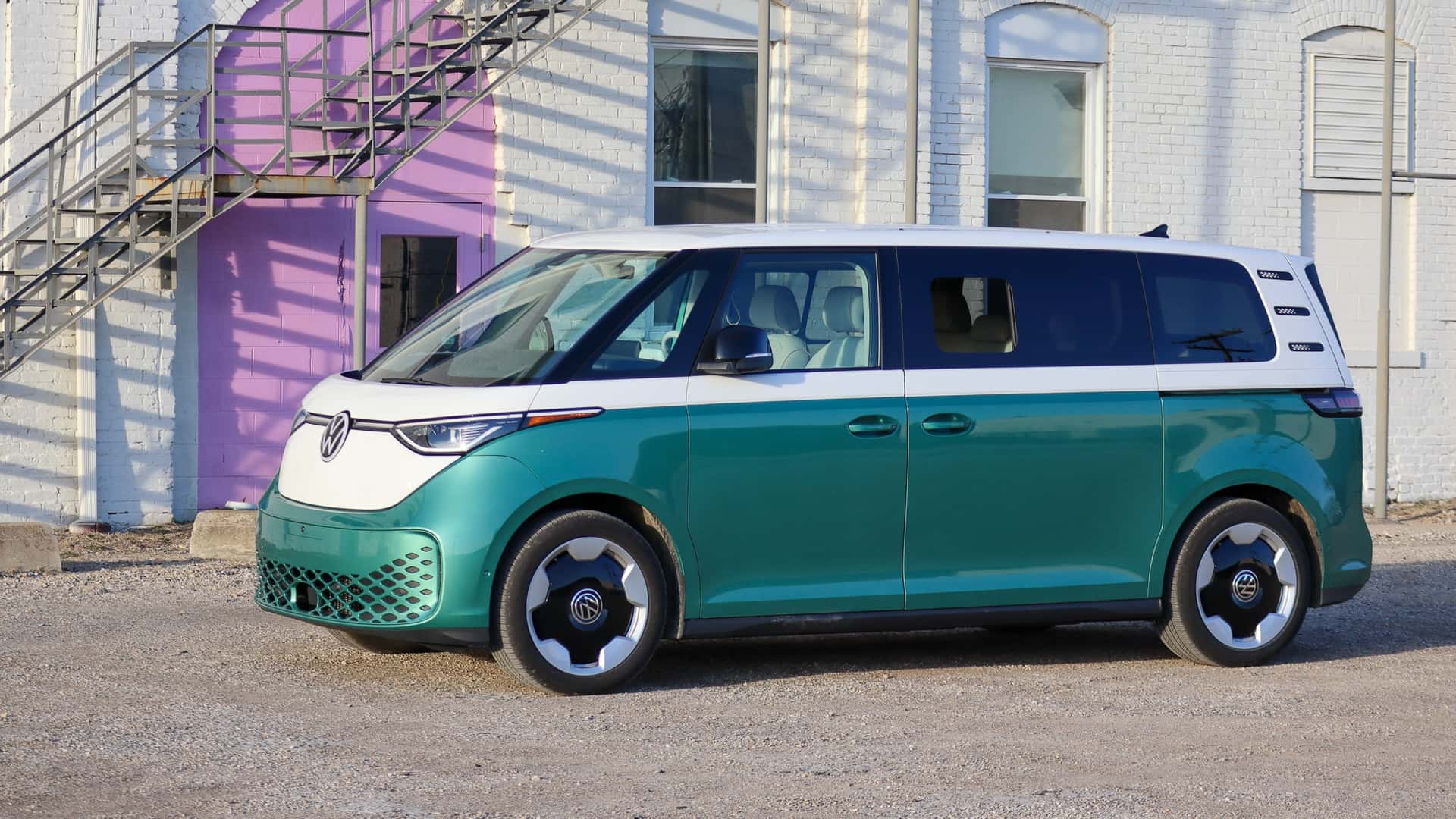
The Volkswagen ID. Buzz, a retro-inspired minivan that captured the hearts of many when it was first unveiled in 2017, will not be making a return for the 2026 model year. Despite high expectations and excitement surrounding the release of the ID. Buzz, sales in the U.S. market have been disappointing, leading to the decision to pull the model from the lineup.
The ID. Buzz was part of a long line of concept vehicles that Volkswagen had showcased over the years, all leading up to the production model that was finally released in late 2024. However, the van struggled to gain traction in the market, with slow sales attributed to a combination of factors, including its high starting price of $61,545 and limited range of 234 miles. The version of the Buzz that most consumers desired, complete with all-wheel drive and a two-tone paint job, came with a price tag of around $70,000 and a slightly lower range of 231 miles.
In addition to pricing and range concerns, the ID. Buzz faced challenges related to tariffs imposed during the presidency of Donald Trump, as well as a couple of recalls and stop-sale orders that further hindered its performance in the market. Despite its charming design and competent performance, the ID. Buzz was criticized for lacking certain features that would have made it more appealing to its target audience, such as a camping mode or an always-on outlet in the cargo area.
The decision to discontinue the ID. Buzz for the 2026 model year comes at a time when the EV market in the U.S. is experiencing a downturn, partially due to the expiration of the EV tax credit in September. This policy change has had a significant impact on consumer interest in electric vehicles, particularly for higher-priced models like the ID. Buzz. As a result, Volkswagen has chosen to reevaluate its strategy for the U.S. market and focus on other models that may have a better chance of success in the current economic climate.
While the ID. Buzz may not be returning for the 2026 model year, Volkswagen remains committed to its electrification goals and will continue to offer a range of electric vehicles to meet the needs of consumers. The company’s decision to pull the ID. Buzz from the U.S. market reflects the challenges facing the EV industry as a whole and the need to adapt to changing market conditions in order to succeed in the long term. Buzz cancellation and industry trends]
As the electric vehicle (EV) market continues to evolve, automakers are facing tough decisions about which models to prioritize. The recent announcement from Volkswagen regarding the cancellation of the MY26 ID. Buzz production for the U.S. market is just one example of this shifting landscape. The decision to focus resources on current inventory and retail performance for the remainder of MY25 reflects the need for automakers to adapt to changing market conditions.
With the ID. Buzz serving as an important halo product for the Volkswagen brand, the decision to halt production for the U.S. market is not taken lightly. However, in the face of ongoing challenges in the EV market, it is a strategic move to ensure the brand’s long-term success. By reevaluating their plans and making tough decisions, automakers can position themselves for future growth and sustainability.
This move by Volkswagen is part of a larger trend in the industry, with many automakers reevaluating their EV lineups and making adjustments to align with market demand. The cancellation of models like the Ford F-150 Lightning, Acura ZDX, and Nissan Ariya demonstrates the need for automakers to be agile and responsive to market trends.
Looking ahead, it is clear that the EV market will only have room for cars that can truly compete and meet consumer expectations. Automakers will need to invest in innovative technologies, sustainable practices, and customer-centric approaches to succeed in this rapidly evolving market. Those that are willing to adapt and prioritize their resources effectively will be the ones that thrive in the future of the EV industry.
For more information on the ID. Buzz cancellation and other industry trends, contact the author at Tim.Levin@InsideEVs.com. Stay tuned for further updates on the evolving landscape of the electric vehicle market.