
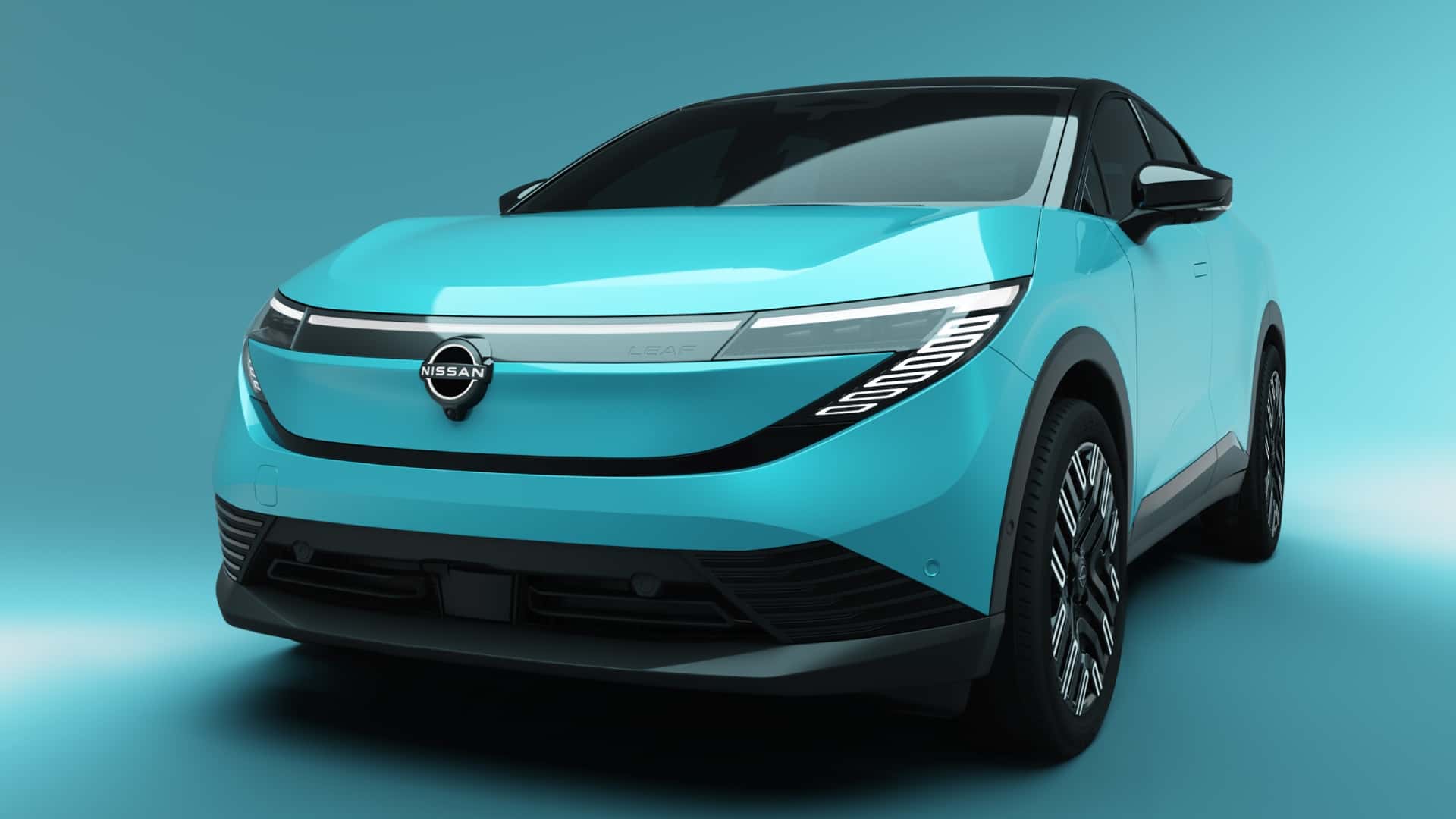
Nissan has finally made some significant upgrades to its iconic Leaf electric vehicle with the introduction of the third-generation model. The new Leaf will no longer feature the old-school passively cooled battery pack that was found in the first and second-generation models. Instead, Nissan has equipped the new Leaf with a liquid cooling system that can regulate the battery pack’s temperature and even harvest heat from the onboard charger to improve performance in extreme weather conditions.
The decision to move to a liquid cooling system is a game-changer for the Leaf, as it will help maintain optimal battery temperature, thus improving range, charging speeds, and overall battery health. This upgrade will be particularly beneficial for drivers living in regions with extreme temperatures, where the old passively cooled battery system struggled to perform efficiently.
In addition to the new cooling system, the third-generation Leaf also comes with a new suspension setup at the rear, providing a more comfortable and stable driving experience. The multi-link rear suspension system enhances handling and cornering capabilities, making the new Leaf a more dynamic and enjoyable electric vehicle to drive.
Nissan has also announced that the new Leaf will offer an impressive range of between 186 and 311 miles on a full charge, depending on the battery option chosen. Fast-charging capabilities have also been improved, with a 14-minute DC fast charging session expected to provide 155 miles of range. The exact maximum charging speed of the Leaf has not yet been disclosed.
Under the hood, the new Leaf will feature a front-motor, front-wheel drive powertrain. The redesigned front drive unit is smaller and more efficient, delivering 214 horsepower and 261 lb-ft of torque in its most powerful configuration. These improvements will make the new Leaf a competitive option in the growing electric vehicle market.
Overall, the third-generation Nissan Leaf promises to deliver a more refined and capable driving experience, thanks to its upgraded cooling system, suspension setup, and powertrain. With improved range, charging speeds, and performance, the new Leaf is set to continue its legacy as one of the most popular and affordable electric vehicles on the market. The all-new Nissan Leaf is set to make its debut later this year, and while it may not make much of a difference in the real world in terms of performance, there are some updates to look forward to. One of the notable changes is the switch from a torsion beam rear suspension to a multi-link setup. This adjustment is aimed at improving the overall driving experience, offering a smoother and more responsive ride for drivers.
While the Leaf has never been known as a performance electric vehicle, these enhancements show that Nissan is continuously working to refine and improve the popular electric car. The switch to a multi-link suspension system is a step in the right direction, signaling a focus on comfort and handling for the new model.
As we anticipate the official unveiling of the all-new Nissan Leaf, it will be interesting to see how these changes translate to the overall driving experience. While performance may not be the Leaf’s main selling point, these updates could make a difference in day-to-day driving and overall satisfaction for Leaf owners.
Stay tuned for more updates on the all-new Nissan Leaf as we await its debut later this year. Keep an eye out for more details on the improvements and features that will be introduced in this latest version of the popular electric vehicle.