
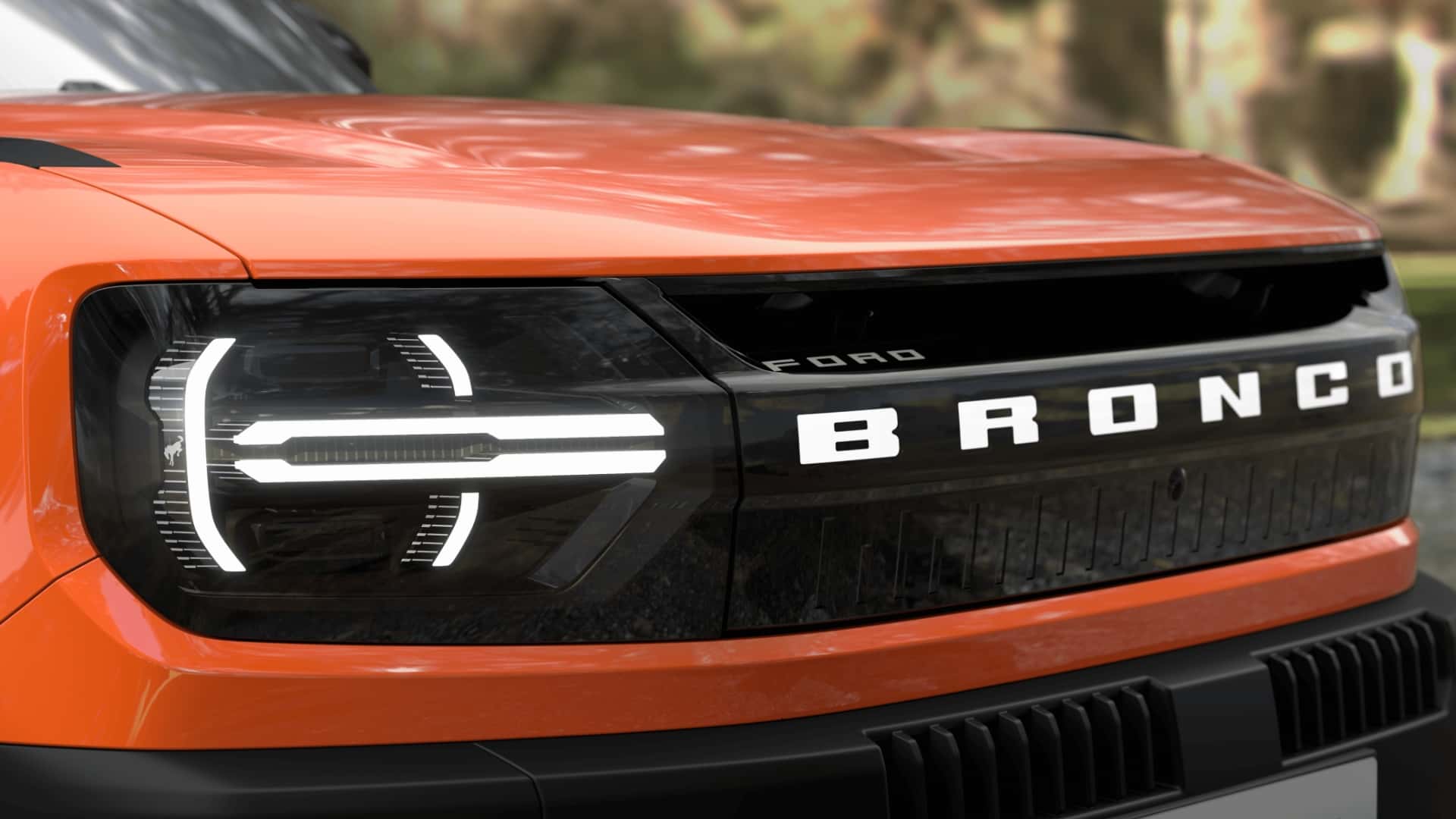
While the European version of the Ford Bronco will share the same name as its American counterpart, it will be a completely different vehicle. Rumors suggest that this European Bronco will be smaller in size compared to the Ford Kuga, but will feature a more rugged and aggressive appearance. This new model is expected to be built in Valencia, Spain, at the same factory that produces the compact Kuga SUV.
One of the most significant differences between the American and European versions of the Ford Bronco is the powertrain. The European model is rumored to come with a plug-in hybrid drivetrain, adding a more environmentally friendly option to the lineup. This move aligns with Ford’s commitment to electrifying its vehicle lineup and reducing emissions.
Despite being smaller than the Kuga, the European Ford Bronco is expected to maintain the rugged and off-road capabilities that the nameplate is known for. This blend of compact size and adventurous spirit could make it a popular choice for European consumers looking for a versatile and capable vehicle.
The decision to use the Bronco name for the European model follows a trend set by the Mustang Mach-E, which leveraged the iconic Mustang brand to promote its electric SUV. By tapping into the heritage and reputation of the Bronco name, Ford aims to attract customers who value the rugged and adventurous spirit that the Bronco represents.
Overall, the European version of the Ford Bronco promises to be a unique and exciting addition to Ford’s lineup. With its smaller size, hybrid powertrain, and rugged design, it offers a fresh take on the classic Bronco formula while catering to the preferences of European consumers.
Ford’s decision to move away from being a “generalist” brand in Europe is a strategic move to stay competitive in the market. With the Bronco nameplate, Ford aims to appeal to European consumers while still offering a vehicle that meets their needs and preferences. The rugged appearance of the Bronco is essential in capturing the attention of customers in a segment where competitors like Jeep and Dacia are emphasizing the off-road aesthetic as a selling point.
The rumors surrounding the model suggest that it will feature a modernized design that combines off-road capabilities with contemporary styling. This approach aligns with Ford’s goal to differentiate itself in the European market and attract a new customer base. By introducing a unique and distinctive vehicle like the Bronco, Ford can position itself as a brand that offers something different from the traditional European car manufacturers.
Ford’s plans to produce a new “multienergy” model in its Valencia factory starting in 2027 further demonstrate its commitment to innovation and sustainability. While details about the specific product, such as the PHEV Bronco, remain undisclosed, Ford’s focus on electrification reflects the industry’s shift towards cleaner and more efficient vehicles. This move also aligns with Ford’s broader strategy to expand its electric vehicle portfolio and meet the evolving needs of consumers in Europe.
In the face of challenges posed by Chinese automakers and the changing automotive landscape, Ford’s European business is navigating a complex and competitive market. By leveraging its marketing prowess and brand heritage, Ford is striving to maintain its position and appeal to customers in a rapidly evolving industry. However, the success of these efforts will depend on Ford’s ability to innovate, adapt to changing consumer preferences, and deliver products that resonate with European buyers. Only time will tell if Ford’s strategy will pay off and secure its future in the European market.