
This move sparked a flurry of legal challenges from states and environmental groups, arguing that the DOT’s actions violated the law. Eventually, a federal judge ruled in favor of the program, allowing NEVI to continue moving forward.
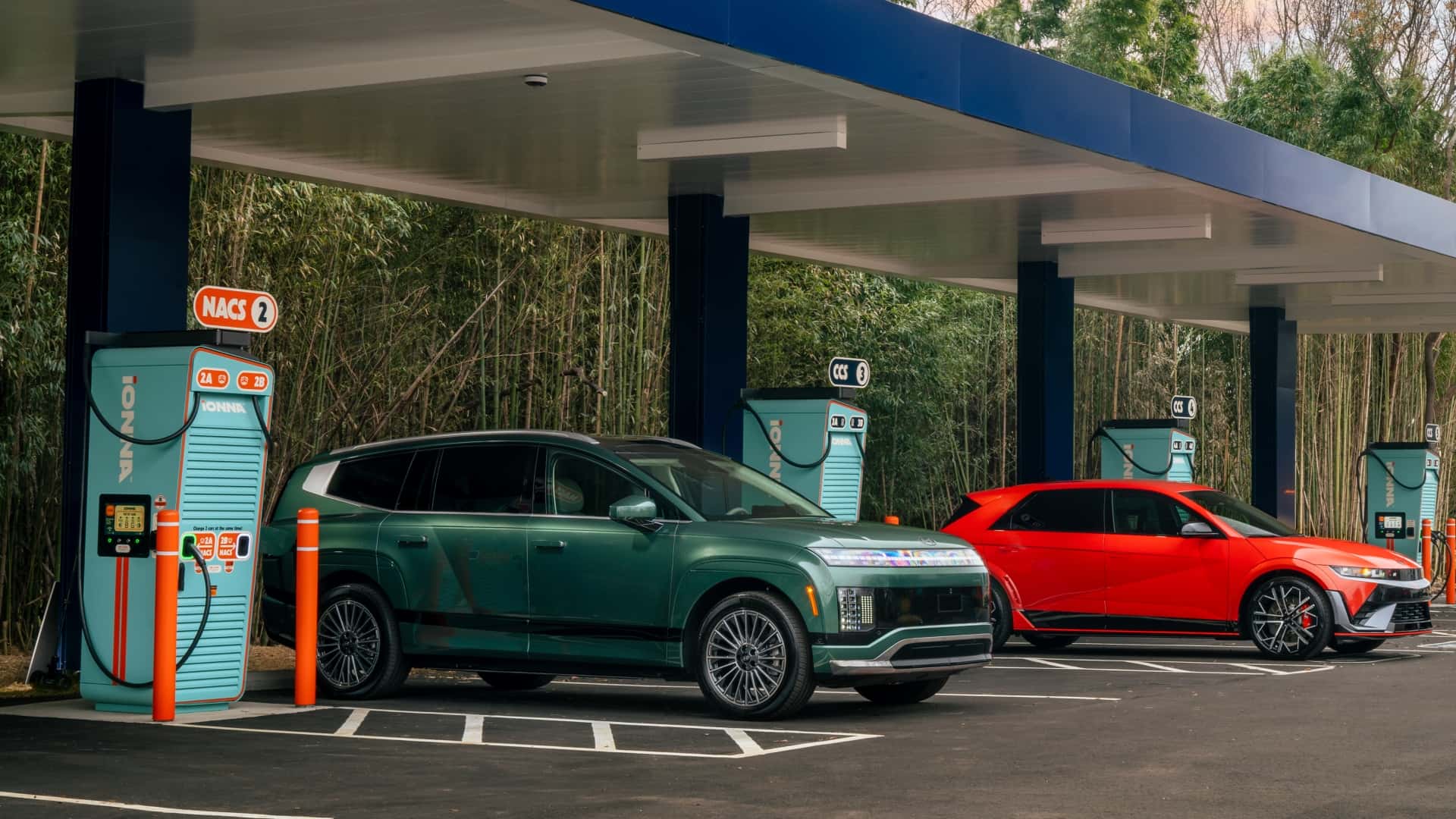
Despite these challenges, the NEVI program has shown promising signs of progress in recent months. The installation of nearly 100 new charging stations last year marks a significant step forward in the Biden administration’s goal of expanding America’s public fast-charging network.
These new charging stations not only provide more options for EV drivers but also serve as a crucial piece of infrastructure needed to support the growing number of electric vehicles on the road. As more automakers announce plans to transition to electric vehicles, the demand for charging infrastructure will only continue to rise.
In addition to expanding the network of fast chargers, the NEVI program also aims to spur investment in the EV charging industry. By providing federal funding for charging stations along major travel corridors, the program encourages private companies to enter the market and invest in the infrastructure needed to support widespread EV adoption.
One such example is Alpitronic, a foreign player that has entered the U.S. market to be part of the growing EV charging industry. The presence of companies like Alpitronic highlights the potential for economic growth and job creation that comes with expanding America’s EV charging network.
Overall, the progress of the NEVI program demonstrates the importance of federal investment in infrastructure to support the transition to electric vehicles. As more charging stations come online and the network continues to expand, the future of electric mobility in America looks brighter than ever. The battle over funding for electric vehicle (EV) charging infrastructure has been ongoing for the past few years, with multiple legal challenges and rulings shaping the landscape of the industry. Recently, a coalition of states sued the administration after funds for the National Electric Vehicle Infrastructure (NEVI) program were frozen. A judge ultimately ruled in favor of NEVI, ordering the administration to unfreeze the funds and allow the program to move forward.
This victory was short-lived, as the administration attempted to freeze NEVI funds once again in January of this year. However, a federal judge in Seattle ruled in favor of the 20 states that had sued to restore the funds, once again allowing the program to continue. EV advocates have argued that the case for NEVI was always clear-cut, as it was a bipartisan act of Congress, and the arbitrary revocation of funds without due process was unlawful.
In an effort to expedite the deployment of EV chargers, the Department of Transportation (DOT) released updated guidance last October that relaxed some of NEVI’s stricter requirements. This move aimed to streamline the process of commissioning and building charging sites, allowing states to move forward with their plans more quickly.
According to EVstates.org, which monitors the progress of the NEVI program, 42 states have approval plans in place for 2026, and $632 million has already been allocated to charging companies to build chargers. This indicates a significant push towards expanding the EV charging infrastructure across the country.
As states ramp up their efforts to build out charging infrastructure, it remains to be seen whether more legal challenges will arise in the coming months. The ongoing battle over funding for EV chargers highlights the importance of a robust and well-supported infrastructure to support the growing number of electric vehicles on the road.