
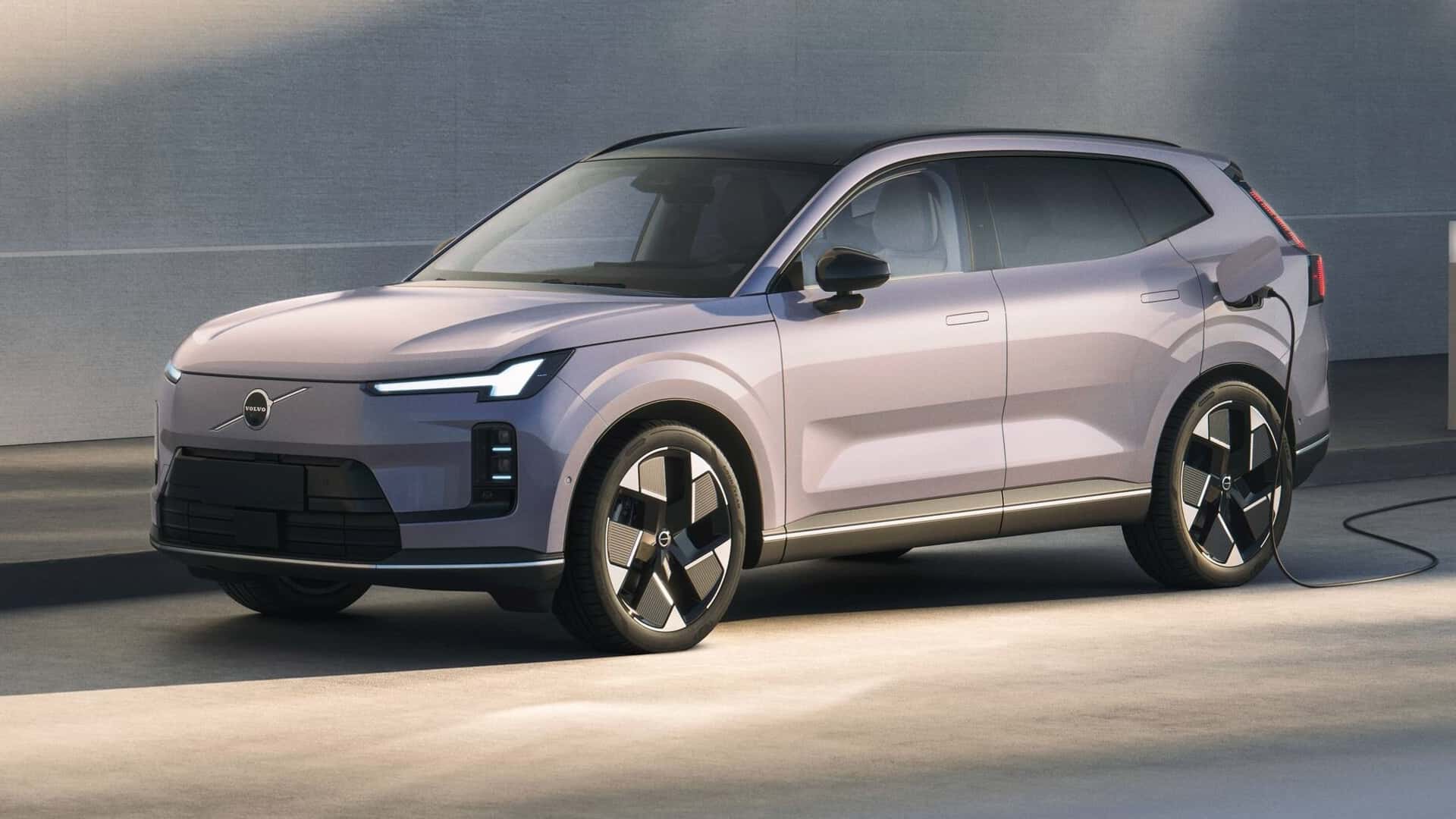
This means that Volvo’s upcoming PHEVs will be able to travel around 100 miles on battery power alone, providing a seamless and smooth driving experience that rivals that of a full electric vehicle. The goal is to make these plug-in hybrids feel more like electric vehicles with a backup engine, rather than just modified gas cars.
One of the main issues with current PHEVs is the reliance on the gas engine in certain driving conditions, which can lead to a less-than-ideal driving experience. Volvo aims to address this by ensuring that their next-generation plug-ins have enough electric power and range to handle most driving situations without needing to engage the gas engine.
Additionally, Volvo’s CEO Håkan Samuelsson emphasized the importance of offering a plug-in hybrid that delivers the kind of acceleration and smoothness that electric vehicle buyers expect. This means that the transition between electric and gas power should be seamless, providing a consistent and enjoyable driving experience.
While Volvo’s next-generation PHEVs may not technically be classified as EREVs, they are designed to offer a more electric-focused driving experience that prioritizes efficiency and customer satisfaction. By incorporating around 100 miles of electric range and optimizing the performance of the electric powertrain, Volvo is poised to set a new standard for plug-in hybrids in the automotive industry. Volvo is gearing up to release its upcoming plug-in hybrid electric vehicles (PHEVs), but with a twist. The company aims to ensure that these new models offer an impressive electric range of around 100 miles and a combined range of 500 to 600 miles. This ambitious goal sets Volvo apart in the growing market of electric vehicles and hybrid technology.
The concept of extended-range electric vehicles (EREVs) is gaining traction in the automotive industry. EREVs like the Scout Motors Terra and Ram 1500 REV provide over 100 miles of electric range while also incorporating a backup gas generator for extended driving capabilities. These vehicles offer the best of both worlds, combining the benefits of electric power with the reassurance of a gas-powered range extender.
Volvo’s approach to PHEVs differs slightly from traditional EREVs. While EREVs have no mechanical connection between the engine and the wheels, Volvo’s next-gen PHEVs will allow the engine to power the wheels directly when needed. This setup offers more flexibility and efficiency, especially for high-speed highway driving. By utilizing the engine to drive the wheels directly, Volvo’s PHEVs can optimize performance and fuel efficiency in various driving conditions.
The decision to incorporate EREV-like range figures in Volvo’s upcoming PHEVs reflects a growing trend in the automotive industry. Chinese automakers have already embraced this approach, offering traditional PHEVs with impressive electric range and overall driving capabilities. Volvo is following suit, recognizing the importance of balancing electric power with the practicality of a backup gas generator.
By focusing on a range of around 100 miles of electric power and 500 to 600 miles of combined range, Volvo is setting a new standard for PHEVs. These upcoming models promise to deliver exceptional performance, efficiency, and driving range, catering to consumers who seek a versatile and sustainable driving experience. With Volvo’s commitment to innovation and sustainability, the future of hybrid technology looks promising. The Evolution of Technology in the Modern Age
Technology has come a long way since its inception, and its evolution has been nothing short of remarkable. From the invention of the wheel to the development of artificial intelligence, technology has transformed the way we live, work, and communicate.
One of the earliest forms of technology was the invention of the wheel, which revolutionized transportation and helped humans travel long distances more efficiently. This simple yet groundbreaking invention paved the way for the development of more complex technologies such as the steam engine and the automobile. These advancements in transportation not only made travel easier and more convenient but also had a profound impact on the economy and society as a whole.
The industrial revolution marked a significant turning point in the history of technology, as it brought about the mass production of goods and the mechanization of industry. This period saw the development of machines and tools that increased productivity and efficiency, leading to the rise of factories and the growth of urban centers. The invention of the telegraph and the telephone also revolutionized communication, allowing people to connect with each other across long distances in real-time.
In the 20th century, technology continued to advance at a rapid pace, with the invention of the computer and the internet changing the way we live and work. The computer revolutionized data processing and enabled the development of software and applications that have transformed every aspect of our lives. The internet, on the other hand, has connected people from all over the world and provided access to a wealth of information and resources at the click of a button.
In recent years, technology has continued to evolve with the rise of artificial intelligence and machine learning. These technologies have enabled the development of autonomous vehicles, virtual assistants, and smart devices that can learn and adapt to our needs. The proliferation of smartphones and wearable technology has also changed the way we interact with the world around us, making it easier to stay connected and access information on the go.
Looking ahead, the future of technology holds even more exciting possibilities, with advancements in fields such as biotechnology, nanotechnology, and quantum computing on the horizon. These emerging technologies have the potential to revolutionize healthcare, energy, and communication in ways we can only begin to imagine.
In conclusion, the evolution of technology in the modern age has been nothing short of extraordinary. From the invention of the wheel to the development of artificial intelligence, technology has transformed the way we live, work, and communicate. As we continue to push the boundaries of what is possible, the future of technology holds endless possibilities for innovation and progress.