
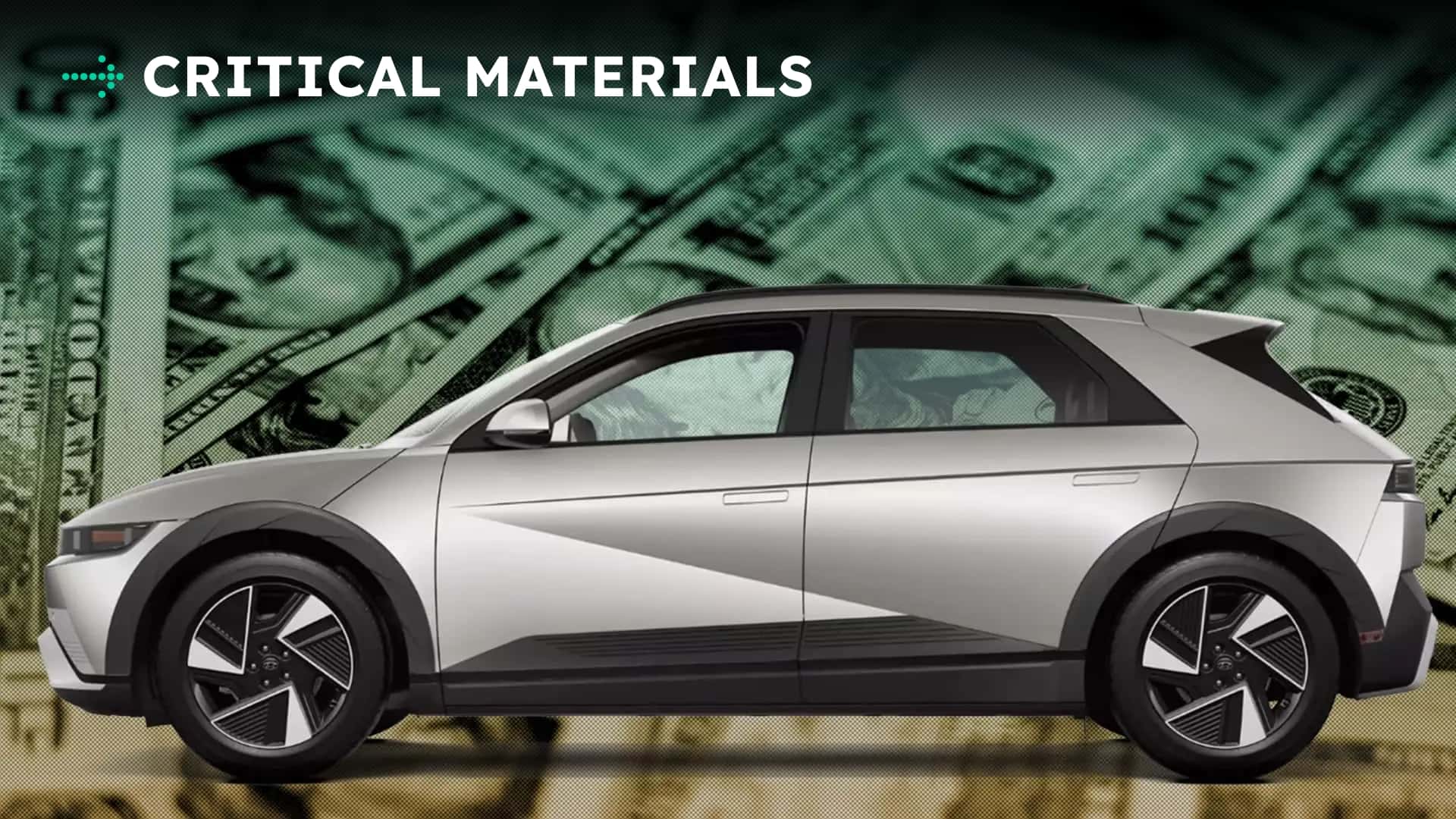
With the cost of new cars reaching record highs and the removal of key incentives for electric vehicles, the American car market is facing a significant challenge. The average price of a new car is now at a staggering $50,000, making it unaffordable for many buyers. This is further exacerbated by the absence of incentives that once made electric vehicles a more attractive and affordable option for consumers.
Hyundai’s head of software research recently stepped down as the company lags behind in autonomous vehicle technology, highlighting the challenges faced by traditional automakers in adapting to new trends and technologies. On the other hand, General Motors’ new chief product officer has promised a different approach moving forward, signaling a shift in strategy for the company.
Car Sales Decline as Americans Prioritize Affordability
The spike in car prices has been a longstanding issue, but it has become more pronounced in recent years, especially in the aftermath of the pandemic. Electric vehicles had previously offered a more affordable option for consumers, with attractive lease deals and incentives such as the $7,500 tax credit making them a popular choice.
However, with the removal of these incentives, the affordability of electric vehicles has diminished, leading to a decline in sales. In November, light-vehicle deliveries dropped by 6.3% compared to the same month last year, with EV sales taking a significant hit. Consumers are now prioritizing affordability, with demand shifting towards hybrids and lower-priced models from brands like Toyota and Kia.
It’s not just electric vehicles that are experiencing a decline in sales – traditional automakers are also feeling the impact of high prices. Ford, for example, saw a decrease in utility vehicle sales and flat truck sales, with entry-level trims experiencing a surge in demand. Global semiconductor shortages have also affected production and inventory levels for automakers like Honda.
Despite the challenges, some consumers have been able to take advantage of affordable lease deals on electric vehicles, demonstrating that there is still interest in transitioning away from gasoline-powered cars. However, with economic uncertainty looming and the absence of incentives for electric vehicles, the future of the American car market remains uncertain.
As car prices continue to rise and incentives for electric vehicles disappear, consumers are faced with tough choices when it comes to purchasing a new vehicle. The industry will need to adapt to these changing market conditions to ensure that they remain competitive and relevant in the evolving automotive landscape.
One recent departure is Sterling Anderson, who was the head of the Cruise team at GM. Anderson was instrumental in the acquisition of Cruise by GM and was seen as a key figure in the company’s autonomous driving efforts. However, Anderson recently left GM, raising questions about the future of the company’s autonomous technology development.
GM has been working on its autonomous technology for years, with the Cruise team testing self-driving vehicles in San Francisco and other cities. The company has touted its efforts in this space, claiming that it will be a leader in autonomous driving technology. However, Anderson’s departure has cast doubt on these claims and raised concerns about the direction of GM’s autonomous technology program.
While GM has made progress in autonomous technology, it still faces challenges in bringing fully autonomous vehicles to market. The company has faced regulatory hurdles, technical challenges, and competition from other companies in the space. Anderson’s departure has highlighted these challenges and raised questions about GM’s ability to deliver on its promises in the autonomous driving space.
Despite these challenges, GM continues to invest in autonomous technology and is working on developing advanced driver-assistance systems and self-driving vehicles. The company recently unveiled its new Escalade IQ Lidar system, which is designed to improve the safety and performance of its autonomous vehicles. GM is also working on partnerships with other companies in the autonomous driving space to further its development efforts.
Overall, GM’s autonomous technology program is at a critical juncture, with the departure of key personnel like Sterling Anderson raising questions about the company’s ability to deliver on its promises. However, GM remains committed to developing autonomous technology and is working to overcome the challenges it faces in this space. The future of GM’s autonomous driving efforts remains uncertain, but the company is determined to continue its work in this important area of innovation.
Recent changes in leadership at General Motors have sparked interest and concern among industry insiders. At the GM Forward tech event in New York City in October, at least two executives I spoke with have since left the company. However, GM is confident in its new Chief Product Officer, Sterling Anderson, who brings a wealth of experience from his time at Tesla and Aurora Innovation.
Anderson’s role at GM is crucial as he oversees the company’s vast product portfolio, ranging from vehicles to software. His focus is on accelerating innovation and integrating software and hardware development processes. This reorganization has led to the departure of some key executives in the tech division, such as the heads of software and artificial intelligence.
While Anderson’s leadership has been praised, GM has also faced challenges in retaining top talent from tech companies like Apple and Google. The transition from traditional automaker to a tech-focused operation has proven difficult for many legacy companies, including GM. Cultural shifts and organizational restructuring take time, and not all executives have been able to adapt to the changes.
One notable departure was Baris Cetinok, a software executive who left GM to pursue other opportunities. Despite these setbacks, GM has made significant progress in its autonomy and software efforts in recent years. However, creating a comprehensive software ecosystem to support a connected and automated future remains a daunting task.
As the automotive industry continues to evolve, GM and other legacy automakers must navigate the complex landscape of technology and innovation. Anderson’s leadership will be crucial in steering GM towards a more agile and tech-driven future, but the road ahead is challenging. With the average price of a new car reaching $50,000, the pressure is on for companies like GM to deliver cutting-edge technology and innovation to meet consumer demands.
The recent advancements in technology have revolutionized the way we live, work, and play. From smartphones to smart homes, the world is becoming increasingly connected and automated. One of the most exciting developments in recent years has been the rise of artificial intelligence (AI) and machine learning.
AI and machine learning are technologies that enable computers to learn from data and make decisions without human intervention. This has opened up a world of possibilities across diverse industries, from healthcare to finance to transportation.
In healthcare, AI is being used to analyze medical images, predict patient outcomes, and even assist in surgical procedures. Machine learning algorithms can sift through vast amounts of patient data to identify patterns and trends that human doctors may have missed. This not only improves the accuracy of diagnoses but also helps to personalize treatment plans for individual patients.
In finance, AI is being used to detect fraudulent transactions, predict stock market trends, and automate customer service. Machine learning algorithms can analyze financial data in real-time, making split-second decisions that can mean the difference between profit and loss. This has transformed the way financial institutions operate, reducing costs and improving efficiency.
In transportation, AI is being used to power self-driving cars, optimize traffic flow, and improve public transportation systems. Machine learning algorithms can predict traffic patterns and adjust routes in real-time, reducing congestion and emissions. This has the potential to revolutionize the way we travel, making it safer, faster, and more environmentally friendly.
The applications of AI and machine learning are endless, and the potential for innovation is limitless. As these technologies continue to advance, we can expect to see even more groundbreaking developments in the years to come. From personalized medicine to autonomous vehicles, the future is bright for AI and machine learning.