
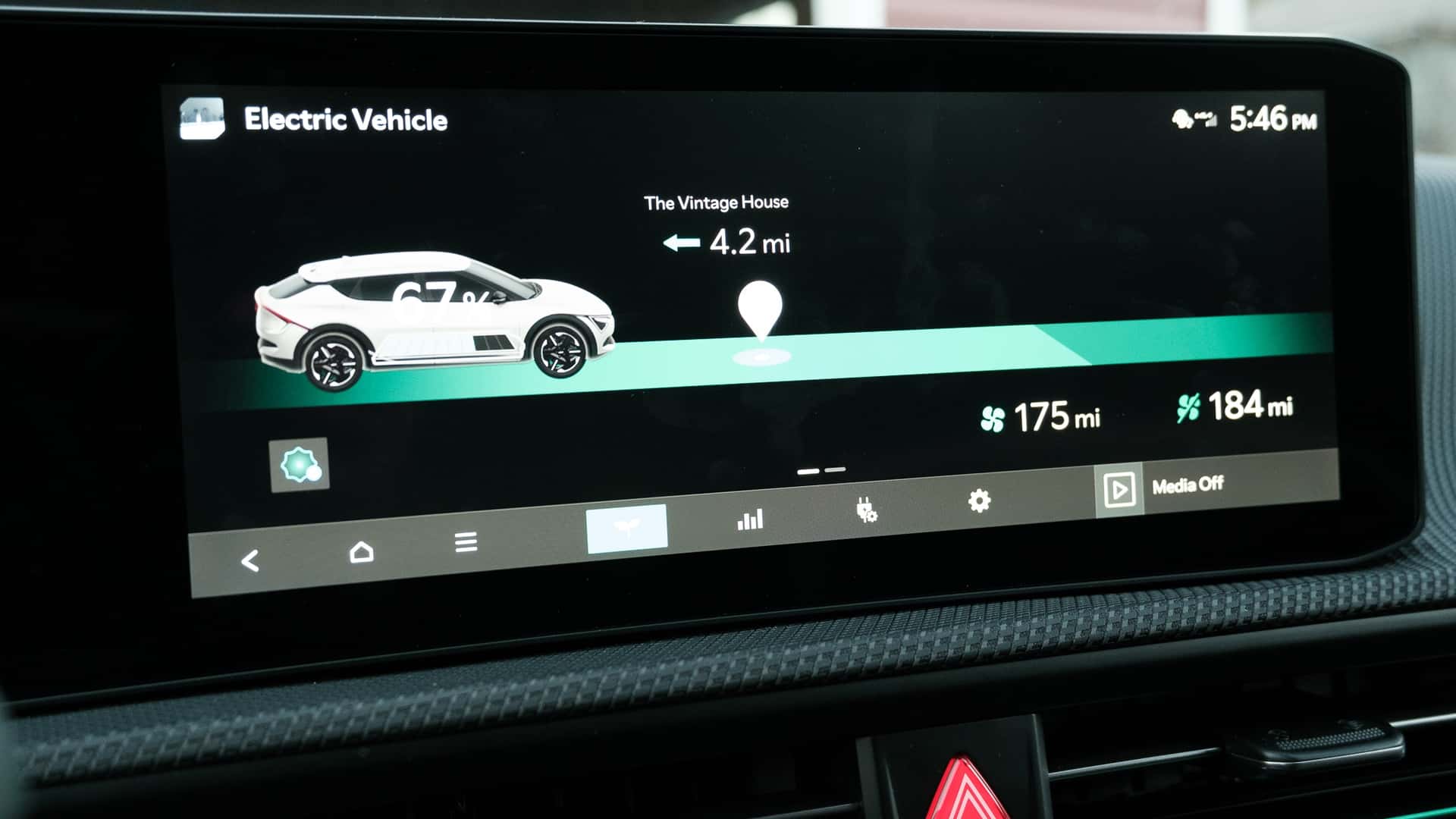
As the push for electric vehicles continues to grow, one major concern that many potential buyers have is range anxiety. The fear of being stranded with a dead battery while waiting for a tow truck is a legitimate worry for some, and it can often deter people from making the switch to an electric car. However, recent data from battery health startup Recurrent shows that range anxiety actually decreases the longer you own and drive an EV.
According to a study conducted by Recurrent using data from Plug In America, 48% of buyers experience range anxiety before purchasing an EV. However, that number drops to just 22% after actually owning the car. This significant decrease in range anxiety indicates that once you start driving an EV, most of your fears about running out of charge disappear.
This trend is not new, as previous studies have also shown that range anxiety declines with time and experience. In fact, a survey from late 2023 revealed that 78% of electric car owners reported a decrease in range anxiety as they became more familiar with their vehicles and driving habits. With improvements in both the range of EVs and the availability of charging infrastructure, the level of range anxiety among buyers has been steadily decreasing.
The key reason behind this decrease in range anxiety is simple: most people don’t actually need as much range as they think they do. The average American drives around 30 to 40 miles per day, while modern EVs typically offer a range of around 300 miles. This discrepancy means that most EV owners rarely come close to depleting their battery on a daily basis.
Even for longer road trips, EV owners are finding that with careful planning and the increasing availability of charging stations, traveling long distances in an electric car is becoming easier and more convenient. In fact, data from Recurrent shows that on average, EV owners utilize just 12.6% of their vehicle’s range, with even the most range-rich owners leaving over 88% of their range unused on most days.
Personal experiences echo these findings, with many EV owners reporting that range anxiety becomes less of a concern over time. Adjusting charging habits and understanding driving patterns can help alleviate any lingering fears about running out of charge. Ultimately, choosing an EV that meets your actual daily driving needs rather than focusing on edge-case scenarios can help alleviate range anxiety and make the transition to electric vehicles smoother.
While more range is always welcome, the data shows that most EV owners rarely utilize the full range of their vehicles on a daily basis. As technology continues to improve and charging infrastructure expands, the fear of being stranded due to a dead battery is becoming less of a reality for electric car owners. So, if range anxiety has been holding you back from making the switch to an EV, rest assured that the data suggests your worries may fade away once you start driving an electric vehicle. The COVID-19 pandemic has brought about unprecedented changes in the way we live, work, and interact with each other. As we continue to navigate through these challenging times, it has become increasingly important to adapt to new ways of conducting business and staying connected with our colleagues and clients.
One of the most significant changes that has occurred in the wake of the pandemic is the rise of remote work. With many companies opting to have their employees work from home to prevent the spread of the virus, remote work has become the new norm for millions of workers around the world. This shift has not only changed the way we work, but also the way we communicate and collaborate with our colleagues.
In order to stay connected with our colleagues while working remotely, many companies have turned to virtual communication tools such as Zoom, Microsoft Teams, and Slack. These platforms have allowed teams to continue collaborating on projects, holding meetings, and staying in touch with each other despite being physically apart. While these tools have proven to be effective in keeping teams connected, they have also posed new challenges in terms of maintaining work-life balance and avoiding burnout.
Another important aspect of staying connected while working remotely is the need for regular check-ins and communication with colleagues. In a traditional office setting, it is easy to pop by a colleague’s desk for a quick chat or have impromptu meetings to discuss project updates. However, with remote work, it can be easy to feel isolated and disconnected from your team. To combat this, it is important to schedule regular check-ins with your colleagues, whether it be through virtual meetings, phone calls, or instant messaging.
Additionally, it is crucial to establish clear communication channels and expectations with your team. This includes setting boundaries around when you are available for meetings, responding to emails, and being reachable for urgent matters. By setting these boundaries, you can ensure that you are able to disconnect from work and maintain a healthy work-life balance.
Overall, staying connected with your colleagues while working remotely requires effort, communication, and a willingness to adapt to new ways of working. By utilizing virtual communication tools, scheduling regular check-ins, and setting clear boundaries, you can maintain a sense of connection with your team and continue to collaborate effectively despite being physically apart.