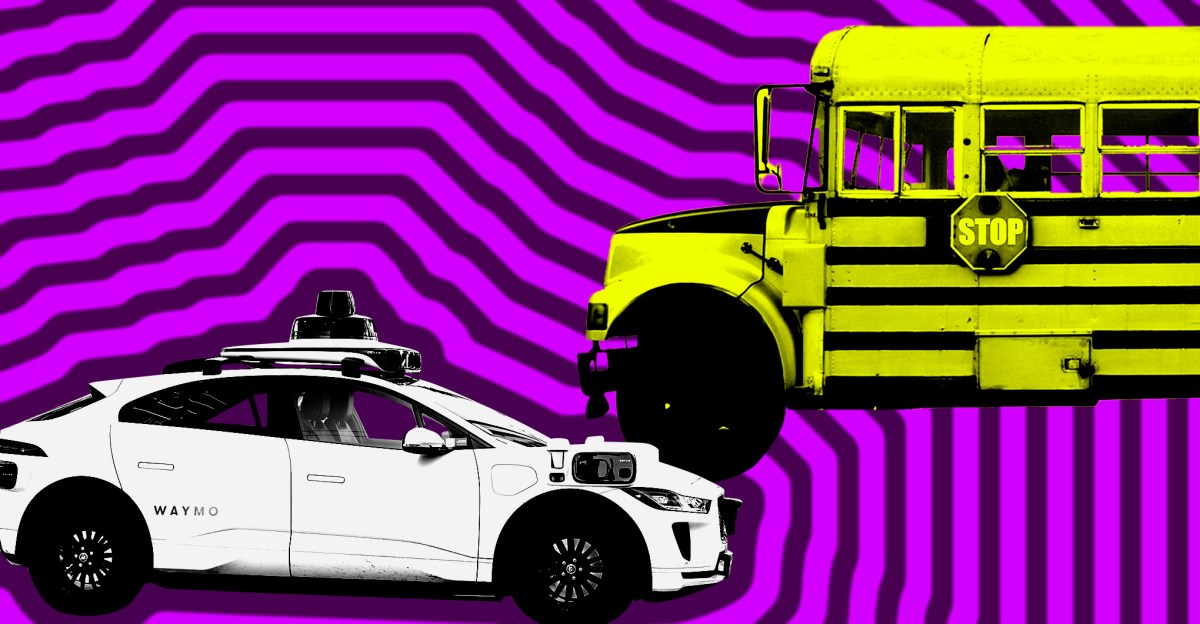
This shift, Cummings says, may be why Waymo vehicles are struggling with the unpredictable nature of school bus stops, where a mix of social cues, traffic rules, and human error can all come into play simultaneously.
“The thing about end-to-end learning is that it’s sort of like running a public beta test with pedestrians,” Cummings explained. “Because you’re not really sure what they’re going to do next.”
The future of autonomous vehicles
As the investigation into Waymo’s school bus incidents continues, the broader conversation around autonomous vehicle safety is likely to heat up. While companies like Waymo may be eager to push the boundaries of self-driving technology, incidents like those in Austin and Santa Monica serve as stark reminders of the limitations of current AI systems.
Ultimately, the goal of autonomous vehicles is to create a safer, more efficient transportation system. But as these recent incidents show, there’s still a long way to go before self-driving cars can navigate complex real-world scenarios with the same ease and intuition as a human driver.
For now, Waymo and other autonomous vehicle companies will need to go back to the drawing board, refining their systems and algorithms to better handle unexpected situations like school bus stops. Only then can they truly deliver on the promise of a safer, more autonomous future of transportation.
Self-driving vehicles have been a topic of controversy and debate for years now. While the technology has the potential to revolutionize transportation and make it safer and more efficient, recent incidents involving Waymo robotaxis have raised concerns about the risks associated with autonomous vehicles.
One particular issue that has been brought to light is the safety of children at school bus stops. According to reports, Waymo robotaxis have been involved in several incidents where they have failed to follow traffic laws around school buses, putting children at risk. These incidents have raised questions about the safety protocols and decision-making processes of autonomous vehicle companies.
Mary Cummings, a professor at Duke University who specializes in autonomous systems, has highlighted the risks associated with changing the architecture of autonomous vehicles to make them more “natural” and humanlike. While this can make the vehicles seem more intuitive and user-friendly, it can also introduce additional risks, especially in high-stakes scenarios like school bus stops.
In response to these safety incidents, Austin ISD has reportedly asked Waymo to halt robotaxi operations around schools during loading and unloading hours until the issue is resolved. However, Waymo has refused to comply with this request, a decision that experts believe is shortsighted and at odds with the company’s commitment to safety.
Philip Koopman, a Carnegie Mellon Professor and AV safety expert, has criticized Waymo’s decision, stating that the company is “gambling with children’s lives” by continuing to operate in school zones despite the safety concerns. The incidents in Austin have sparked federal investigations, and Waymo could potentially face consequences such as having its operating license revoked if the issues are not addressed.
While the majority of the reported incidents have occurred in Austin, it is likely that similar incidents are happening in other cities as well. The recent installation of cameras on school bus stop arms in Austin has helped to bring these issues to light, but it is possible that similar incidents are going unnoticed in other areas.
As investigators continue to probe the safety of Waymo robotaxis, the company’s cavalier approach to operating in school zones could have long-lasting consequences. Other municipalities may think twice before allowing Waymo’s vehicles on their streets, and the company may face increased scrutiny and regulation as a result.
In the words of Mary Cummings, “Waymo brought this on themselves.” It is crucial for autonomous vehicle companies to prioritize safety above all else and to take proactive measures to address any potential risks associated with their technology. Only by doing so can they ensure the safety of passengers, pedestrians, and the general public as a whole. If the responsible thing had been done and the decision was made to stay out of school zones until the necessary fixes were implemented, the need for a large public investigation would have been avoided. By taking proactive measures and addressing the issue before it escalated, the potential risks and consequences could have been mitigated.
The decision to prioritize safety and take action to rectify the situation would have not only protected the well-being of students and pedestrians in school zones but also prevented negative publicity and scrutiny that comes with a public investigation. By demonstrating a commitment to accountability and transparency, the responsible parties could have avoided the need for external intervention and oversight.
Moving forward, it is essential for all stakeholders involved in similar situations to prioritize safety and act in the best interest of the community. By taking proactive measures, addressing concerns promptly, and implementing necessary changes, potential risks and liabilities can be minimized. It is crucial to learn from past mistakes and make informed decisions to prevent similar incidents from occurring in the future.
In conclusion, by electing to stay out of school zones until the necessary fixes were made, the responsible parties could have avoided the need for a big public investigation. Prioritizing safety, taking proactive measures, and demonstrating accountability are key elements in preventing incidents and maintaining public trust. Let this serve as a reminder to always act in the best interest of the community and prioritize safety above all else. The Importance of Mental Health in Today’s Society
In today’s fast-paced and stressful world, mental health has become a growing concern. With the rise of social media, work pressure, and personal issues, many people are struggling to maintain their mental well-being. It is crucial to recognize the importance of mental health in today’s society and take proactive steps to prioritize and support it.
One of the main reasons why mental health is so important is because it directly impacts our overall well-being. Mental health is not just the absence of a mental illness, but rather a state of well-being in which individuals can cope with the stresses of life, work productively, and contribute to their communities. When we neglect our mental health, it can lead to a range of issues, including depression, anxiety, and even physical health problems.
Furthermore, mental health is closely linked to our physical health. Research has shown that individuals who have poor mental health are more likely to experience physical health problems, such as heart disease, diabetes, and obesity. This is because mental health issues can weaken our immune system and make us more susceptible to illness. By taking care of our mental health, we can improve our overall quality of life and reduce our risk of developing chronic health conditions.
Another reason why mental health is important is because it affects our relationships with others. When we are struggling with our mental health, it can impact our ability to communicate effectively, show empathy, and maintain healthy relationships. This can lead to feelings of loneliness, isolation, and alienation. By prioritizing our mental health, we can strengthen our relationships with others and build a strong support system that can help us through challenging times.
In addition, mental health plays a crucial role in our ability to be successful in our careers and achieve our goals. When we are mentally healthy, we are better able to focus, make decisions, and solve problems. This can lead to increased productivity, creativity, and job satisfaction. On the other hand, when we are struggling with our mental health, it can impair our performance at work and hinder our professional growth. By taking care of our mental health, we can set ourselves up for success in both our personal and professional lives.
Overall, mental health is a vital aspect of our well-being that should not be overlooked. It is important to prioritize our mental health, seek support when needed, and practice self-care on a regular basis. By doing so, we can improve our overall quality of life, strengthen our relationships, and achieve our goals. Let us all work together to create a society that values and supports mental health for all.