
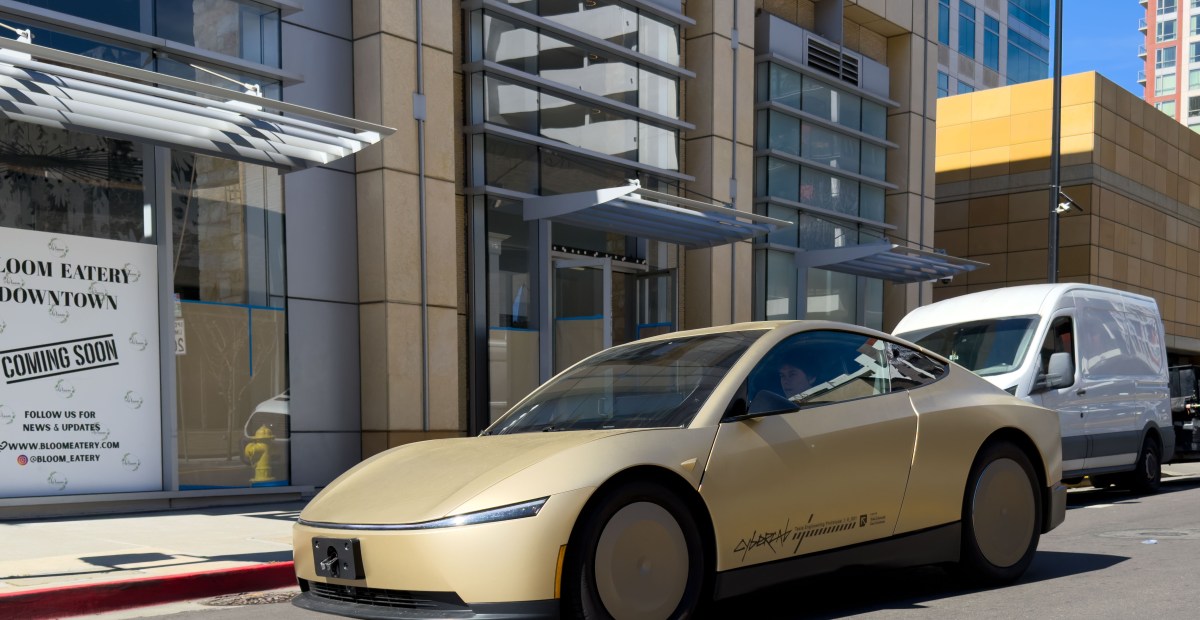
This means it will be more energy-efficient, cheaper to manufacture, and cheaper to operate. The Lucid Lunar concept, for example, is designed to be as energy-efficient and low-cost as possible for buyers. The vehicle uses the same wide horizontal display on the dash as the Lucid Cosmos but does not have a steering wheel. It is built on a shortened version of the midsize platform that will underpin the Cosmos and its two siblings, delivering significant cost savings on the basic architecture.
During a fireside chat with Uber’s Andrew Macdonald, Lucid’s acting CEO Marc Winterhoff revealed that the rideshare company has committed to purchasing 20,000 Gravitys fitted with robotaxi sensors and software from Nuro. Additionally, there are plans for a similar deal with an upcoming Lucid midsize EV model. This partnership highlights the potential for two-seat robotaxis to revolutionize the ride-hailing industry.
The shift towards two-seat robotaxis is supported by data showing that more than 90 percent of Uber rides today have only one or two passengers. This aligns with the design philosophy behind the Lucid Lunar concept, which caters to the needs of ride-hail fleet operators who prioritize efficiency and cost-effectiveness. By focusing on smaller, lighter, and cheaper vehicles, companies like Lucid Motors and Tesla are positioning themselves at the forefront of the evolving transportation landscape.
In conclusion, the emergence of two-seat robotaxis represents a paradigm shift in the automotive industry. These vehicles offer a compelling solution for ride-hailing services looking to optimize their operations and reduce costs. With advancements in electric vehicle technology and autonomous driving systems, two-seat robotaxis are poised to reshape urban mobility and create new opportunities for sustainable transportation. The future of transportation is rapidly evolving, with ridehail companies looking towards robotaxis as a cost-effective solution. These autonomous vehicles need to be affordable to buy and operate, which is where battery technology plays a crucial role. By reducing the size of the battery needed to provide the necessary range, robotaxis can become more economical.
Chief engineer Walker emphasizes the importance of battery size in reducing costs for robotaxi operators. Every 1-kWh reduction in battery size can save operators $1,000 per year in recharging costs, assuming the vehicle covers 100,000 miles annually. With projected efficiencies of 5.5 to 6 miles per kilowatt-hour, robotaxis can be more cost-effective than traditional electric vehicles.
Additionally, the design and engineering of robotaxis differ from individual vehicles. Robotaxis do not require the same level of roadholding and handling capabilities as privately owned cars. This allows for a more streamlined and cost-effective design, with softer suspension structures and fewer reinforcements needed for extreme handling maneuvers.
Both Tesla and Lucid are exploring compact two-seater designs for their robotaxis, focusing on aerodynamic efficiency to reduce energy consumption. While this design may not be ideal for all driving environments, such as urban settings with frequent stops, it offers significant advantages on highways and at higher speeds.
There is ongoing debate about the optimal form factor for robotaxis, with some experts advocating for a more practical and accessible design. Designer Giorgetto Giugiaro’s concept for a modern New York City taxi, created 50 years ago, offers a compelling alternative with its upright and spacious layout. Despite potential challenges with wind resistance, this design may be better suited for low-speed urban trips.
As the technology and design of robotaxis continue to evolve, there is room for innovation and creative solutions. The possibility of transforming robotaxis into small, fast electric sports coupes is an intriguing idea that highlights the versatility of these vehicles. While such concepts may be speculative for now, they showcase the potential for future advancements in the transportation industry. Walker’s enthusiasm for exploring new ideas in his spare time underscores the exciting possibilities that lie ahead for robotaxis and electric vehicles. The Lunar robotaxi is a groundbreaking innovation that is set to revolutionize the transportation industry. This cutting-edge technology is designed to provide a convenient and efficient way for people to travel around the city. The concept of a Lunar robotaxi may seem like something out of a science fiction movie, but this is the reality we are living in today.
With the Lunar robotaxi, passengers will be able to book a ride using a mobile app and have a self-driving vehicle pick them up and drop them off at their destination. This eliminates the need for a human driver, making the whole experience more seamless and cost-effective. The robotaxi is equipped with advanced sensors and AI technology to navigate through traffic and ensure a safe journey for passengers.
One of the key benefits of the Lunar robotaxi is its environmental impact. By using electric vehicles for transportation, we can reduce carbon emissions and contribute to a cleaner and greener planet. This aligns with the growing trend towards sustainable transportation solutions and a shift away from traditional gas-powered vehicles.
As we move towards a more autonomous future, the Lunar robotaxi represents a major milestone in the evolution of transportation. It offers a glimpse into what the future of mobility may look like and how technology can be harnessed to improve our daily lives. The possibilities are endless, and the Lunar robotaxi is just the beginning of a new era in transportation.
In conclusion, the Lunar robotaxi is a game-changer that is shaping the future of transportation. It is a prime example of how technology can be used to create innovative solutions to age-old problems. As we embrace this new era of mobility, we can look forward to a more efficient, sustainable, and convenient way of getting around. The Lunar robotaxi is not just a concept anymore – it is a reality that is set to transform the way we travel. According to recent studies, the world’s population is expected to reach 10 billion by the year 2050. This rapid increase in population will bring about many challenges, including food security, urbanization, and environmental sustainability.
One of the biggest concerns with a growing population is ensuring that there is enough food to feed everyone. As the population increases, so does the demand for food. This puts pressure on farmers to increase their crop yields, which can lead to overuse of fertilizers and pesticides, causing harm to the environment.
Another challenge that comes with a growing population is urbanization. As more people move to cities in search of better opportunities, urban areas become overcrowded and infrastructure struggles to keep up. This can lead to issues such as traffic congestion, pollution, and lack of affordable housing.
Environmental sustainability is also a major concern with a growing population. As more people consume resources such as water, energy, and raw materials, the Earth’s natural ecosystems are put under strain. This can lead to deforestation, loss of biodiversity, and climate change.
In order to address these challenges, governments and organizations around the world must work together to find sustainable solutions. This includes investing in agriculture technologies that can increase crop yields without harming the environment, developing smart urban planning strategies to accommodate growing populations, and promoting renewable energy sources to reduce carbon emissions.
Individuals can also do their part by adopting sustainable practices such as reducing waste, conserving water, and supporting local farmers. By working together, we can ensure that the world’s growing population is able to thrive in a sustainable and equitable way. The Benefits of Yoga for Mental Health
Yoga has been practiced for thousands of years as a way to improve physical, mental, and emotional well-being. In recent years, there has been a growing body of research supporting the benefits of yoga for mental health. From reducing stress and anxiety to improving mood and overall mental well-being, yoga has been shown to have a positive impact on mental health in numerous ways.
One of the key benefits of yoga for mental health is its ability to reduce stress. The practice of yoga involves a combination of physical postures, breathing exercises, and meditation techniques that help to calm the nervous system and reduce the body’s stress response. This can lead to lower levels of the stress hormone cortisol, which has been linked to a variety of physical and mental health problems.
In addition to reducing stress, yoga has also been shown to help alleviate symptoms of anxiety and depression. Studies have found that regular yoga practice can improve mood, increase feelings of relaxation, and reduce symptoms of anxiety and depression. This may be due in part to the mindfulness and self-awareness that yoga encourages, as well as the physical benefits of the practice, such as increased flexibility, strength, and balance.
Yoga can also help to improve overall mental well-being by promoting a sense of connection and community. Many people find that practicing yoga in a group setting can help them feel more connected to others and less isolated. This sense of community can be particularly beneficial for those who are struggling with mental health issues, as it can provide a supportive and non-judgmental environment in which to practice and grow.
Another benefit of yoga for mental health is its ability to improve sleep. Many people who struggle with mental health issues also experience sleep problems, such as difficulty falling asleep or staying asleep. Yoga has been shown to help improve sleep quality and reduce the symptoms of insomnia. This may be due to the calming and relaxation effects of yoga, as well as the physical benefits of the practice, such as reducing muscle tension and promoting a sense of relaxation.
Overall, the benefits of yoga for mental health are numerous and well-supported by research. From reducing stress and anxiety to improving mood and sleep, yoga can be a powerful tool for improving mental well-being. Whether practiced alone or in a group setting, yoga has the potential to help individuals cultivate greater self-awareness, mindfulness, and compassion, leading to a greater sense of overall mental well-being.