
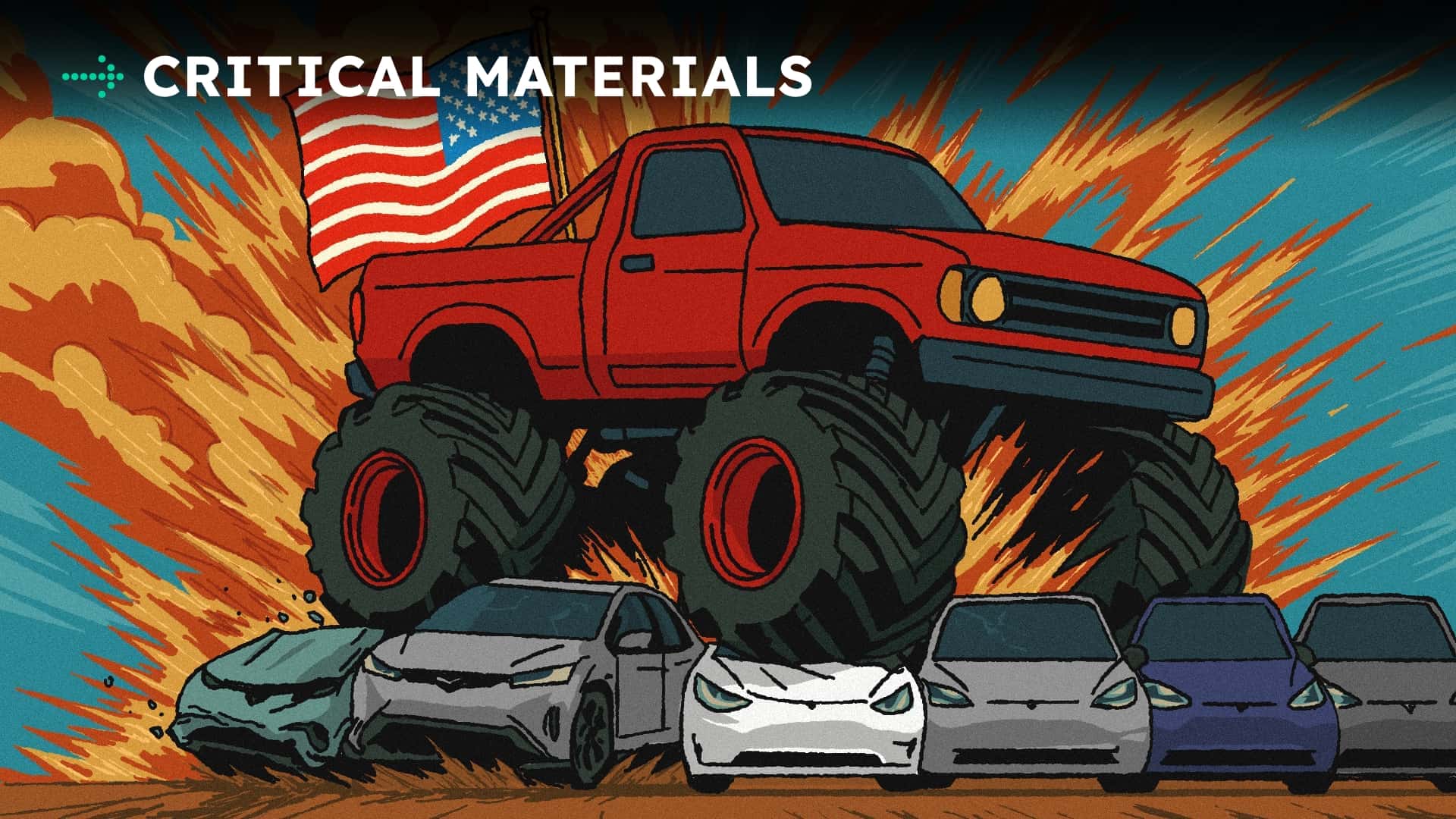
The Trump administration’s recent decision to roll back fuel economy regulations has sent shockwaves through the automotive industry. This move, which may initially seem like a win for automakers, could have long-term consequences that are not immediately apparent.
With budgets tightening and transportation costs already a burden for many American households, the rollback of fuel economy standards could have a significant impact on consumers. While the upfront cost of a vehicle may be slightly lower without the strict regulations, the increased fuel consumption over time could negate any savings. Jessica Caldwell, head of insights at Edmunds, points out that the policy shift may not bring immediate financial relief to consumers, as product plans take years to adjust and future policy reversals could further complicate the regulatory landscape.
Automakers, who have already invested billions in electric vehicle technology, are now facing even more uncertainty. The sudden change in policy creates fear and doubt within the industry, as manufacturers scramble to adjust their strategies to meet the new standards. Industry trade group CALSTART has expressed concerns about the impact of this shift on investor confidence and the long-term earnings of automakers.
While the rollback of fuel economy regulations may provide some short-term financial relief for automakers, the overall impact on the industry remains uncertain. Manufacturers are cautious about making major strategic shifts that could be upended if future administrations reinstate stricter standards. This regulatory whiplash could also lead to a sense of complacency within the industry, potentially hindering economic growth and innovation.
As the automotive industry navigates these uncertain waters, it is clear that the decision to roll back fuel economy regulations will have far-reaching implications for consumers, automakers, and the future of transportation in America. In a rapidly evolving global market, American manufacturers are facing a challenging landscape as Europe and China continue to push the boundaries of innovation. With tighter efficiency rules and accelerated electric vehicle adoption in these regions, American companies may find themselves falling behind in technological competitiveness.
While American automakers have demonstrated the ability to meet current fuel economy standards, the shifting regulatory environment and changing consumer preferences pose a threat to their traditional business models. As U.S. standards evolve differently from those in other regions, American consumers may see a delay in the availability of newer technologies and vehicle options.
Recognizing the need to adapt to this changing landscape, automakers are exploring new avenues for revenue generation. Tesla, for example, has capitalized on the sale of regulatory credits, raking in over $11 billion in profits. However, as the era of regulatory credits comes to an end, automakers are turning to software and subscription services to diversify their income streams.
Subscription services have become an attractive option for automakers, allowing them to generate recurring revenue from features that were previously included in the purchase price of a vehicle. Consumers, however, have mixed feelings about paying extra for features that they believe should be standard. Different regions prioritize different features, with China emphasizing smart driving, Europe focusing on eco-friendliness, and the U.S. prioritizing safety.
In addition to subscription services, automakers are exploring other side hustles to supplement their income. From data-driven auto insurance policies to energy storage systems using EV batteries, companies are finding creative ways to leverage their existing resources. Some brands are even venturing into robotics, developing humanoid robots that could have a variety of applications beyond the automotive industry.
As the automotive landscape continues to evolve, American manufacturers must adapt to stay competitive in the global market. By diversifying their income streams and embracing new technologies, automakers can navigate the changing industry landscape and remain at the forefront of innovation. From the days of the clunky Honda Asimo to the sophisticated Tesla Optimus, the evolution of humanoid robots in the automotive industry has been nothing short of remarkable. Automakers are now pushing the boundaries of technology and artificial intelligence to create robots that exhibit human-like behavior. It’s a fascinating and somewhat eerie progression that brings to mind the futuristic world of Westworld.
The year 2025 is shaping up to be a pivotal moment for automakers as they delve into new frontiers. Building a car is no longer just about engineering and design; it’s about creating a seamless blend of technology and innovation. With enough resources and opportunities, automakers are proving that anything is possible.
One notable development in the autonomous vehicle space is Waymo’s ambitious venture into Philadelphia. Known for its aggressive drivers and challenging road conditions, Philly serves as the perfect testing ground for Waymo’s self-driving cars. The city’s harsh winters, congested highways, and notorious parking challenges will put Waymo’s technology to the ultimate test. Despite the challenges, Waymo remains undeterred and is confident in the potential of its AV ridesharing platform in the city.
Waymo’s foray into Philly comes on the heels of a successful data collection phase during the summer. The company has been fine-tuning its autonomous operations and is now ready to launch its service with a safety driver onboard. This expansion follows recent deployments in Pittsburgh, Baltimore, and St. Louis, showcasing Waymo’s commitment to revolutionizing the future of transportation.
As automakers continue to push the boundaries of innovation, the possibilities seem endless. From autonomous vehicles to humanoid robots, the automotive industry is rapidly evolving into a realm of endless possibilities. With companies like Hyundai-owned Boston Dynamics leading the charge, the future of mobility looks brighter than ever.
So, as we enter this new era of automotive technology, one question remains: what side business would you like to see a car company venture into next? The possibilities are endless, and the future is ripe with potential. As automakers continue to blur the lines between science fiction and reality, the only limit is our imagination. The world is constantly evolving, and with it, so are the challenges we face. From climate change to technological advancements, there are a myriad of issues that require innovative solutions. As we move into a new era, it is important to adapt and embrace change in order to thrive in a rapidly changing world.
One of the most pressing issues of our time is climate change. The Earth’s climate is changing at an unprecedented rate, with rising temperatures, melting ice caps, and extreme weather events becoming more frequent. In order to combat this crisis, it is imperative that we take action to reduce our carbon footprint and transition to renewable energy sources.
Technological advancements have also had a profound impact on our society. From artificial intelligence to virtual reality, these innovations have the potential to revolutionize the way we live and work. However, they also come with their own set of challenges, such as job displacement and privacy concerns. It is crucial that we find a balance between embracing new technologies and ensuring that they are used ethically and responsibly.
In addition to these challenges, we are also facing social and political upheaval around the world. From increasing income inequality to political polarization, there are a number of issues that threaten to divide us. In order to move forward as a society, it is essential that we find common ground and work towards solutions that benefit all of us.
Despite these challenges, there is reason for hope. As we confront these issues head-on, we have the opportunity to create a better future for ourselves and future generations. By working together and embracing change, we can overcome the obstacles that stand in our way and build a more sustainable and equitable world.
In conclusion, the world is changing at a rapid pace, and it is up to us to adapt and evolve in order to thrive in this new era. By addressing the challenges we face with creativity and determination, we can build a brighter future for all. Let us embrace change and work towards a better tomorrow.