
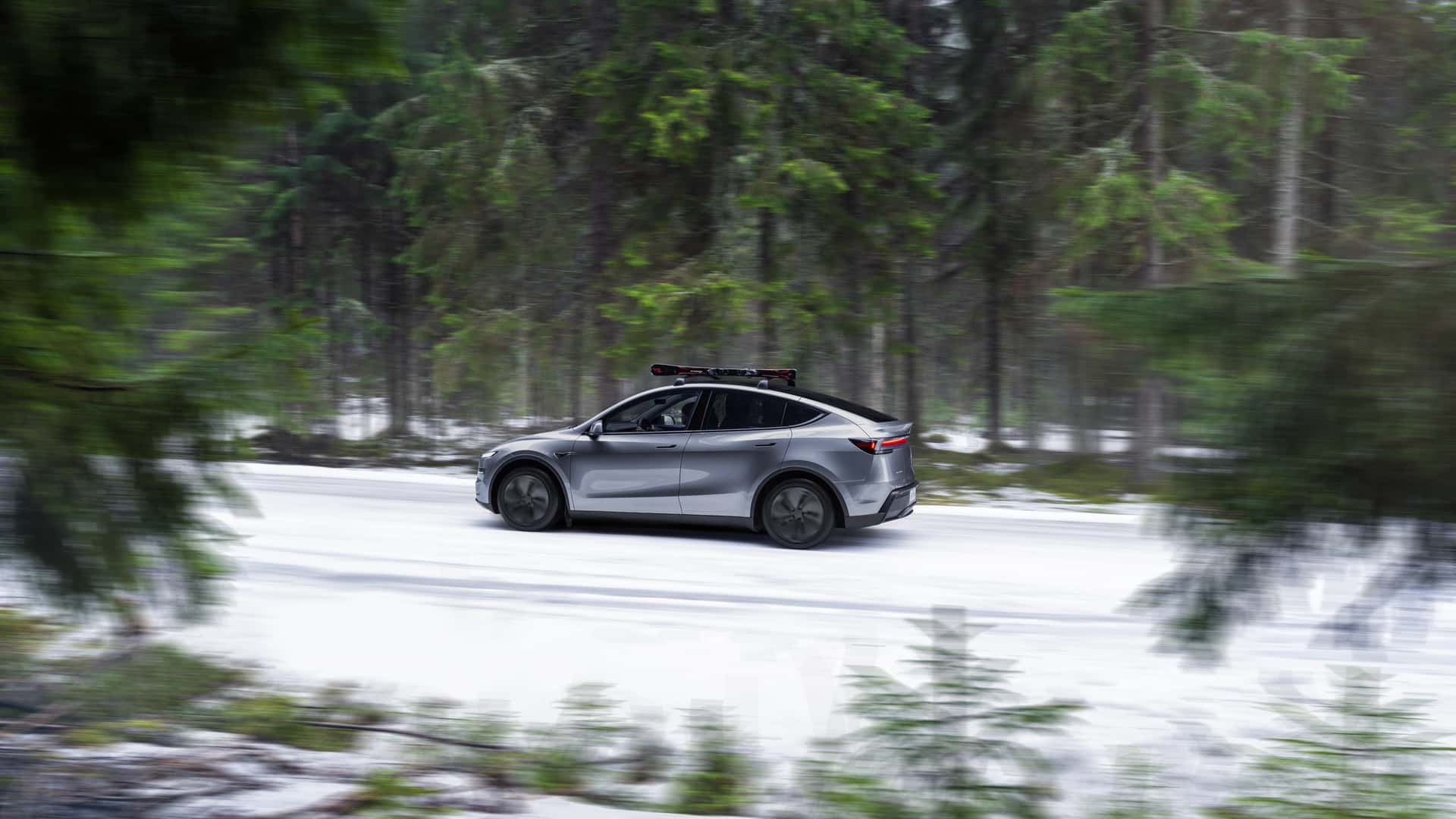
The extreme cold weather conditions in Norway provided a challenging backdrop for the latest edition of the El Prix winter range test. With 25 electric vehicles participating in the test, the goal was to determine how far each car could travel on a full battery before requiring assistance.
One of the most surprising outcomes of the test was that none of the cars were able to reach their advertised range figures. Despite having high WLTP (Worldwide Harmonised Light Vehicle Test Procedure) ratings, the real-world performance of the vehicles fell short, highlighting the impact of extreme cold weather on electric cars.
The Lucid Air, with a WLTP rating of 596 miles (960 kilometers), was expected to perform exceptionally well in the test. However, it was revealed that the extreme cold had a significant impact on its range, placing it at the bottom of the list in terms of deviation from the official range figure. Similarly, other vehicles like the Volvo EX90, Opel Grandland, and Suzuki eVitara also struggled to meet their advertised range figures in the challenging winter conditions.
The main objective of the El Prix winter range test is to provide potential owners with a realistic expectation of their vehicle’s performance in cold weather. By showcasing the difference between official range figures and real-world performance, the test helps consumers make informed decisions about their electric vehicle purchases.
Overall, the test demonstrated the importance of considering external factors such as weather conditions when evaluating the range and performance of electric vehicles. As technology continues to advance, it will be interesting to see how manufacturers address the challenges posed by extreme weather conditions to improve the overall driving experience for electric vehicle owners. Buzz 7
It’s clear that the cold weather had a significant impact on the range of electric vehicles during the El Prix Winter Range Test. However, it’s important to note that these results are based on extreme conditions, and in normal day-to-day driving, EV owners may not see such a drastic decrease in range. As technology continues to improve, we can expect electric vehicles to perform better in cold weather conditions in the future.
Overall, the El Prix Winter Range Test provided valuable insights into the performance of electric vehicles in extreme cold temperatures. It’s clear that while EVs still have some limitations in cold weather, they are continuously improving and are becoming a more viable option for drivers in all climates.
As the demand for electric vehicles continues to grow, manufacturers will likely focus on improving the cold weather performance of their vehicles to meet the needs of consumers in regions with harsh winters. With advancements in battery technology and thermal management systems, we can expect electric vehicles to become even more efficient and reliable in cold weather conditions in the years to come.
The world of technology is constantly evolving, with new innovations and advancements being made every day. One of the most exciting areas of technology right now is artificial intelligence (AI). AI is the simulation of human intelligence processes by machines, especially computer systems. It is a rapidly growing field that has the potential to revolutionize many industries.
One of the key areas where AI is making a big impact is in healthcare. AI has the ability to analyze vast amounts of data quickly and accurately, which can help doctors and healthcare providers make more informed decisions. For example, AI can be used to analyze medical images, such as MRIs and X-rays, to help detect diseases like cancer at an early stage. This can lead to more effective treatment and better patient outcomes.
AI is also being used to develop personalized treatment plans for patients. By analyzing a patient’s genetic information and medical history, AI can help doctors tailor treatments to individual patients, increasing the chances of successful outcomes. This level of personalized medicine was not possible before the advent of AI.
In addition to improving patient care, AI is also helping to streamline administrative tasks in healthcare. AI-powered chatbots can help patients schedule appointments, refill prescriptions, and get answers to their medical questions quickly and efficiently. This can help reduce wait times and improve overall patient satisfaction.
Outside of healthcare, AI is also being used in industries such as finance, retail, and transportation. In finance, AI algorithms can analyze market trends and make investment decisions faster and more accurately than human traders. In retail, AI-powered recommendation engines can help customers find products they are interested in, leading to increased sales and customer satisfaction. In transportation, AI is being used to develop autonomous vehicles that can navigate roads safely and efficiently.
While the potential benefits of AI are vast, there are also challenges that need to be addressed. One of the biggest concerns is the ethical implications of AI, particularly when it comes to issues like privacy and bias. It is important for developers and policymakers to ensure that AI systems are transparent, accountable, and fair.
Overall, AI has the potential to revolutionize many industries and improve the lives of people around the world. As the technology continues to advance, it will be important for society to navigate the ethical and social implications of AI in order to fully realize its potential.