
Tesla’s New Model Y Earns Five-Star Euro NCAP Rating With Major Safety Gains
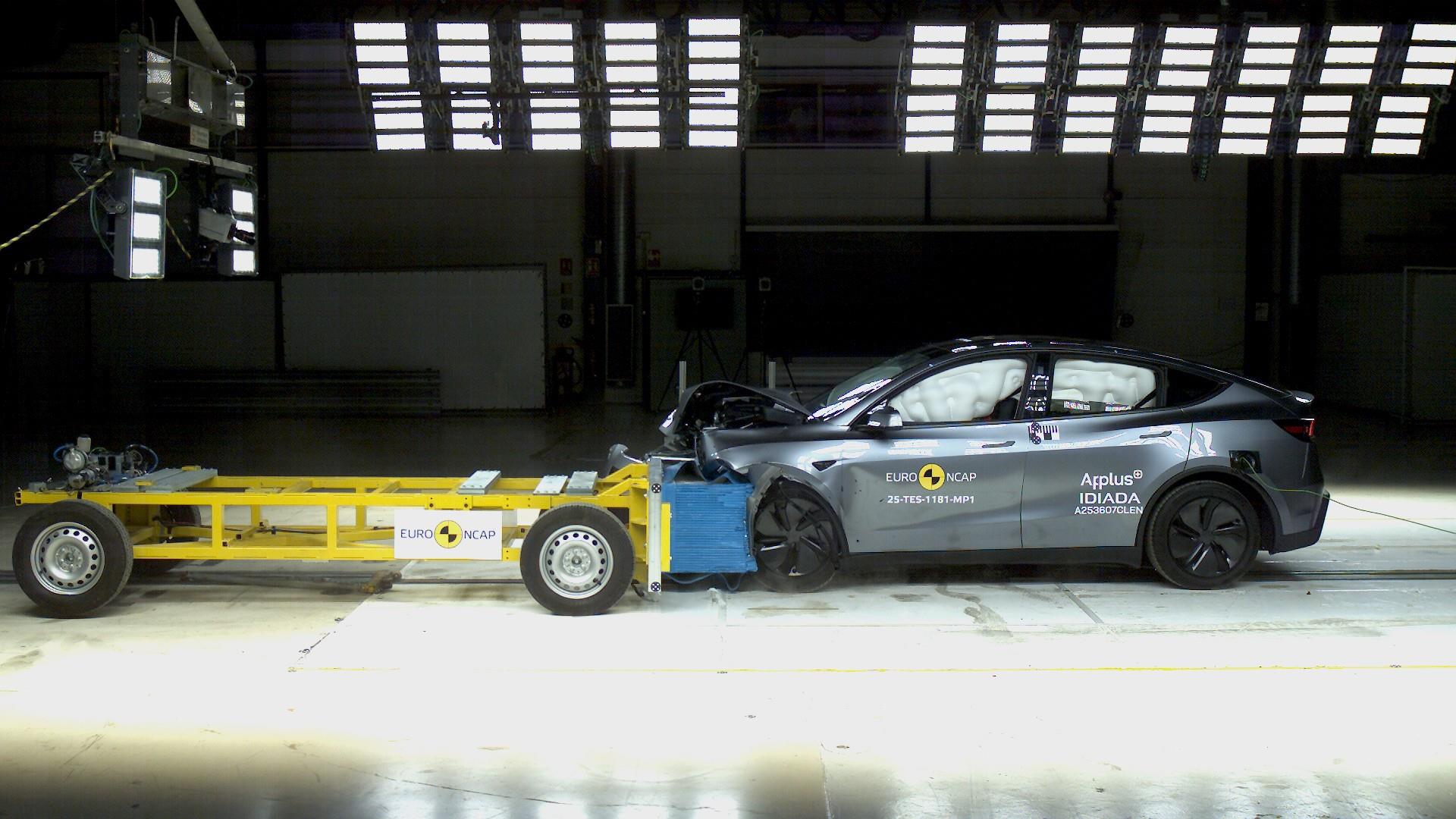
Tesla’s updated Model Y has once again proven why it remains one of the most popular electric SUVs on the market, securing a five-star rating in the latest round of Euro NCAP crash tests.
The Euro NCAP tests are rigorous and comprehensive, evaluating a vehicle’s safety performance in various crash scenarios. The Model Y’s exceptional performance in these tests highlights Tesla’s commitment to safety and innovation in their vehicles.
The Model Y’s five-star Euro NCAP rating is a testament to its advanced safety features and robust construction. With major safety gains in various categories, including adult occupant protection, child occupant protection, vulnerable road user protection, and safety assist technologies, the Model Y has set a new standard for safety in the electric SUV segment.
One of the key areas where the Model Y excelled in the Euro NCAP tests was in its crashworthiness and occupant protection. The vehicle’s reinforced body structure, advanced airbag system, and active safety features played a significant role in ensuring the safety of occupants in the event of a crash.
In terms of child occupant protection, the Model Y received high scores for its child restraint systems and safety features designed to protect younger passengers. This is especially important for families looking for a safe and reliable vehicle to transport their children.
The Model Y also scored well in the vulnerable road user protection category, which evaluates a vehicle’s ability to minimize the impact on pedestrians and cyclists in the event of a collision. Tesla’s focus on pedestrian safety is evident in the design of the Model Y, with features like automatic emergency braking and pedestrian detection systems.
Furthermore, the Model Y’s safety assist technologies, such as lane-keeping assist, adaptive cruise control, and automatic emergency braking, received high marks in the Euro NCAP tests. These features not only enhance the driving experience but also contribute to making the roads safer for everyone.
Overall, Tesla’s New Model Y has raised the bar for safety in the electric SUV market with its five-star Euro NCAP rating and major safety gains. With its advanced safety features, robust construction, and innovative technologies, the Model Y offers peace of mind for drivers and passengers alike.
In conclusion, Tesla continues to lead the way in automotive safety and innovation, setting new standards for electric vehicles with the Model Y. As the demand for electric vehicles grows, Tesla’s commitment to safety and excellence will undoubtedly play a significant role in shaping the future of the automotive industry. The COVID-19 pandemic has brought about a myriad of challenges and changes to our daily lives. From wearing masks to practicing social distancing, the way we interact with one another has been drastically altered. One of the most significant changes has been the shift to remote work for many individuals and businesses.
As the pandemic forced many businesses to close their physical offices, employees were required to work from home in order to continue their work. This shift to remote work has had both positive and negative impacts on employees and businesses alike.
One of the main benefits of remote work is the flexibility it provides. Employees no longer have to commute to the office, saving time and money on transportation costs. This has also allowed employees to have a better work-life balance, as they can easily transition between work and personal life without the hassle of a commute.
Additionally, remote work has opened up new opportunities for businesses to hire talent from across the globe. With the ability to work remotely, businesses are no longer restricted by geographic location when hiring new employees. This has allowed businesses to access a larger talent pool and potentially hire individuals with specialized skills that may not be available locally.
However, remote work also comes with its challenges. One of the main issues is the lack of in-person interaction and communication. While technology has made it easier to connect virtually, there is still a sense of disconnect that comes with not being able to interact face-to-face with colleagues. This can lead to feelings of isolation and loneliness among employees.
Another challenge of remote work is the blurring of boundaries between work and personal life. With no clear separation between the two, employees may find it difficult to switch off from work and fully disconnect at the end of the day. This can lead to burnout and decreased productivity in the long run.
Despite these challenges, many businesses and employees have found ways to adapt to remote work and make it work for them. Implementing regular check-ins, setting boundaries around work hours, and creating opportunities for virtual team building activities are just a few ways that businesses can support their remote employees.
As the pandemic continues to evolve, it is likely that remote work will remain a prominent feature in the way we work in the future. By addressing the challenges and finding ways to support remote employees, businesses can ensure that their employees remain engaged, motivated, and productive in a remote work environment.