
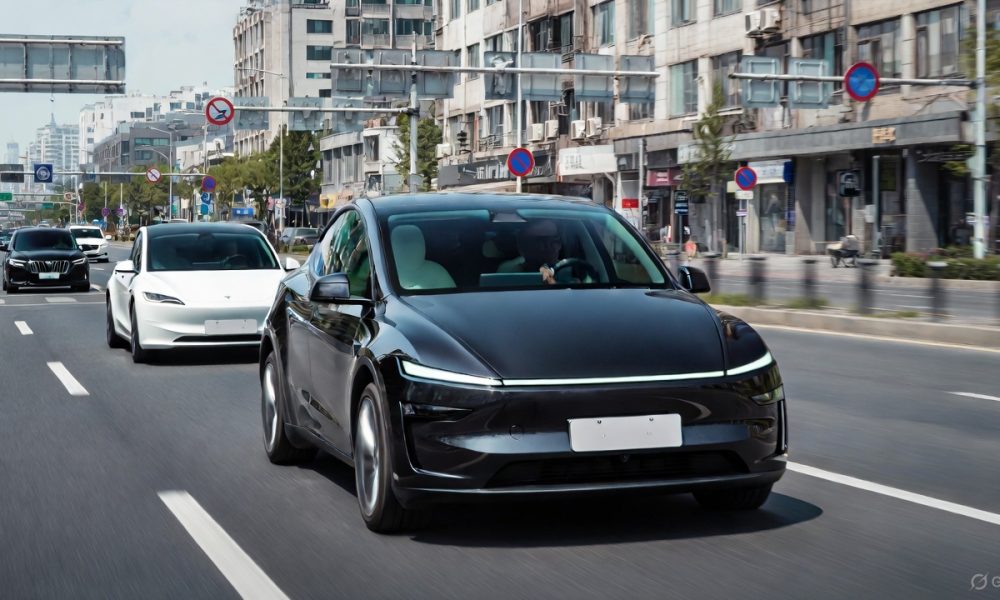
Elon Musk has been vocal about his frustrations with legacy automakers who have shown reluctance to adopt Tesla’s Full Self-Driving (FSD) technology. In a recent statement, Musk mentioned that he has offered to license the FSD suite to other companies, but they have declined the opportunity. This refusal to embrace Tesla’s self-driving technology reflects a pattern where established automakers underestimate disruptive innovations from Tesla, similar to their initial dismissal of electric vehicles (EVs) years ago.
Tesla has solidified its position as a leader in self-driving technology, with its FSD suite being the most robust and versatile in the market. Unlike some competitors, Tesla’s FSD is not limited to specific areas or roadways but can operate anywhere. Despite Tesla’s efforts to push FSD to other car manufacturers through various strategies such as subscription programs and free trials, competing companies have shown little interest in licensing the technology due to reasons like competitive pride, regulatory concerns, and high costs.
This resistance from legacy automakers mirrors their initial dismissal of EVs, which they later scrambled to catch up on after realizing the market share Tesla was gaining with its innovative electric vehicles. Similarly, companies are now ignoring Tesla’s advancements in self-driving technology, potentially putting themselves at a disadvantage in the future.
Elon Musk’s warnings about the auto industry’s inertia and short-term thinking have been consistent over the years. He has highlighted how legacy automakers’ reluctance to embrace new technologies could leave them stranded in the face of technological revolutions. With Tesla continuing to innovate and lead in self-driving technology, companies that fail to adapt may find themselves falling behind and losing market share.
Looking ahead, Tesla’s progress in self-driving technology is expected to accelerate, while other automakers’ dismissive attitude could result in market share erosion. As autonomy becomes a crucial aspect of vehicle marketing, companies may be forced into joint partnerships to keep up with the advancements. Tesla’s data showing the safety of its self-driving tech compared to human drivers further emphasizes the importance of embracing innovation for road safety and efficiency.
In conclusion, the parallels between legacy automakers’ initial dismissal of EVs and their current hesitance towards self-driving technology are undeniable. As history repeats itself, the question remains whether traditional automakers will heed Elon Musk’s warnings and embrace technological advancements before it’s too late. The future of the auto industry hinges on their willingness to adapt and innovate in the face of changing technologies.