
Tesla’s Cybertruck, which generated a lot of buzz when it was first unveiled, has also struggled to gain traction in the market. The unconventional design and delayed production timeline have likely contributed to its lackluster sales performance. Additionally, with the rise of electric pickup trucks from traditional automakers, such as the Ford F-150 Lightning and the GMC Hummer EV, the Cybertruck faces stiff competition in a crowded market segment.
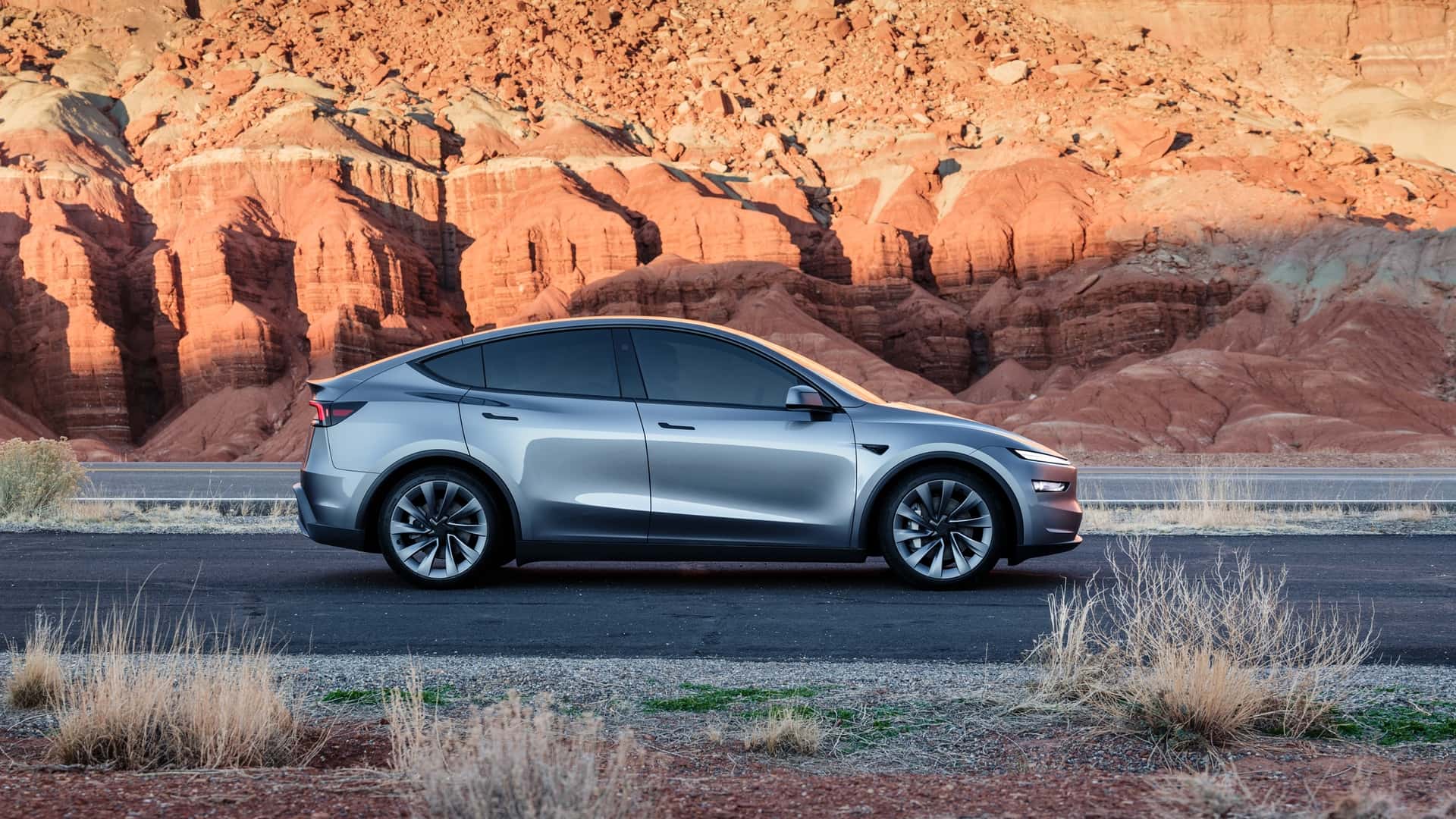
Elon Musk’s shift in focus towards AI and robotics has also impacted Tesla’s product lineup. The company has not released a new model since the Cybertruck in late 2023, leaving potential customers waiting for new offerings. While Tesla’s existing models still have strong appeal, especially the Model Y, the lack of new releases may be hindering the company’s ability to attract new buyers and retain existing ones.
Despite these challenges, Tesla’s ability to weather the storm and increase its market share in a declining EV market is a testament to its strong brand and loyal customer base. The company’s focus on innovation, technology, and sustainability has resonated with consumers, allowing it to maintain its position as a leader in the EV industry.
As the electric vehicle market continues to evolve and competition intensifies, Tesla will need to stay ahead of the curve and adapt to changing consumer preferences to remain successful. With new models in the pipeline and ongoing investments in technology and infrastructure, Tesla is well-positioned to continue leading the charge towards a sustainable transportation future. Despite being a sedan in a market flooded with electric SUVs and crossovers, the Tesla Model 3 is still holding its own. American buyers overwhelmingly prefer larger vehicles, but the Model 3 has managed to carve out its own niche in the electric vehicle market.
In contrast, Tesla’s Cybertruck has experienced a significant drop in sales in the first quarter, with a 45% year-over-year decline and only 3,513 units sold. Originally projected to sell over 250,000 units annually, the futuristic truck has failed to resonate with mainstream consumers, although it does have a loyal following of fans. The Model S and Model X, which have been discontinued, also saw declining sales in Q1 but have not been significant contributors to Tesla’s overall sales in recent years.
If current trends continue, Tesla may face a third consecutive year of declining sales. However, there are rumors of new models in development, including a more affordable compact SUV that will be smaller than the Model Y. This new SUV is expected to be a standalone model, rather than a stripped-down version of existing vehicles. Additionally, Tesla CEO Elon Musk has hinted at the development of a “way cooler than a minivan” vehicle in the near future.
Despite these challenges, the Model Y continues to be a strong performer for Tesla, helping the brand maintain or even grow its market share in the competitive EV market. With the potential for new models on the horizon, Tesla remains a key player in the electric vehicle industry, poised to continue innovating and expanding its product lineup.