
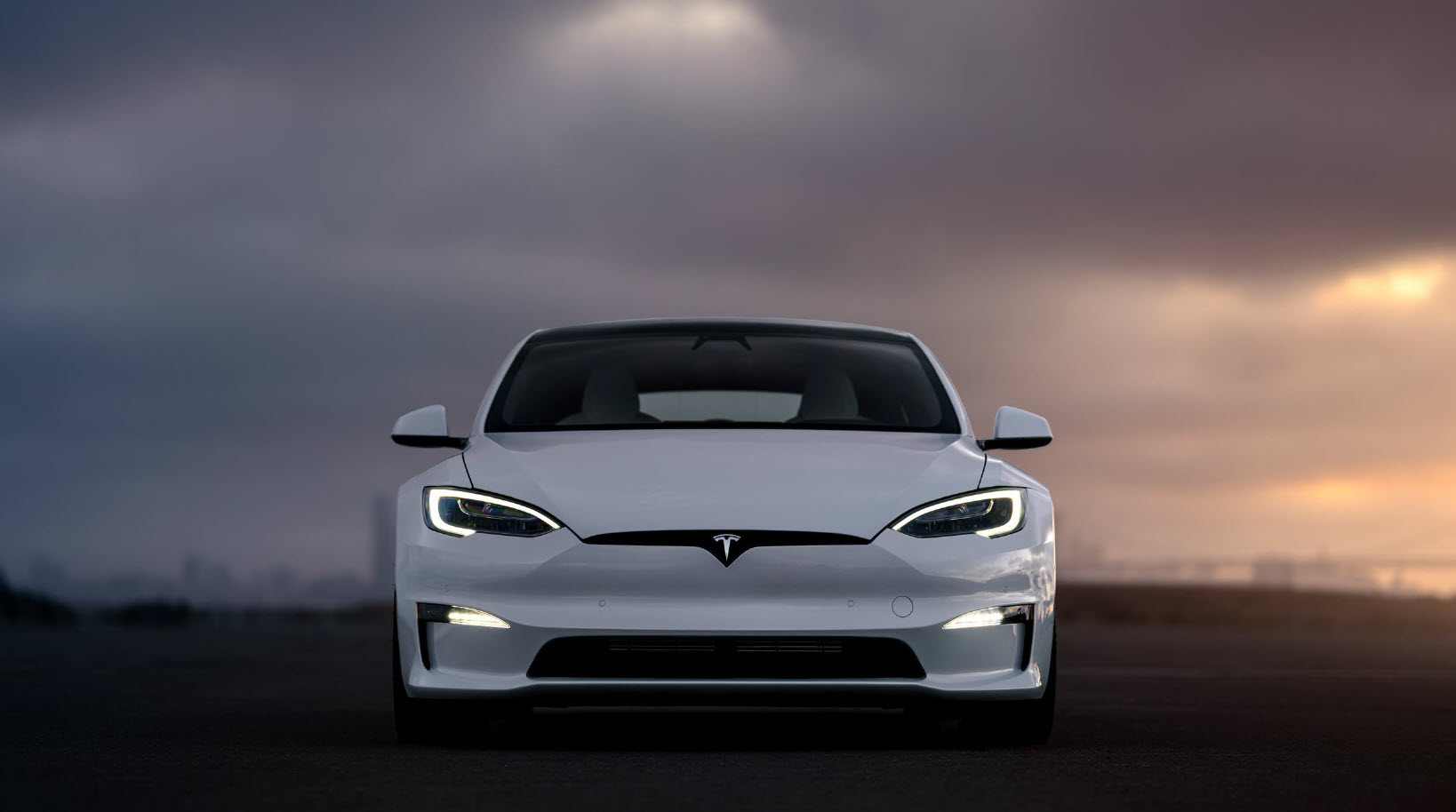
Tesla FSD Pulls Off Another Hands-Free Coast-to-Coast Drive Across the U.S.
Tesla’s Full Self-Driving (FSD) technology has once again completed a coast-to-coast journey across the United States without a single human intervention—marking the second zero-disengagement FSD drive achieved this month. A 2024 Tesla Model S successfully navigated highways, city streets, and rural roads from California to New York, showcasing the advancements in autonomous driving technology.
The journey began in Los Angeles, California, and concluded in New York City, covering over 3,000 miles. The Tesla Model S equipped with FSD hardware and software demonstrated its ability to handle various driving scenarios, including merging onto highways, navigating complex intersections, and adapting to changing road conditions.
During the cross-country trip, the Tesla FSD system utilized a combination of cameras, radar, and ultrasonic sensors to perceive its surroundings and make real-time driving decisions. The vehicle successfully executed lane changes, overtaking slower vehicles, and responding to traffic signals and signs autonomously.
One of the key highlights of the journey was the vehicle’s ability to handle challenging driving situations, such as construction zones, detours, and inclement weather. The Tesla Model S demonstrated its capability to navigate through urban environments with heavy traffic and pedestrian activity, showcasing the robustness of the FSD technology.
The successful completion of another hands-free coast-to-coast drive underscores Tesla’s commitment to advancing autonomous driving technology and bringing it closer to mass adoption. The company continues to push the boundaries of self-driving capabilities, aiming to make driving safer, more efficient, and convenient for users.
As Tesla continues to refine its FSD system through real-world testing and data collection, the potential for fully autonomous vehicles to become a reality is becoming increasingly tangible. With each successful demonstration of the technology’s capabilities, Tesla is paving the way for a future where self-driving cars are the norm rather than the exception.
Overall, the recent coast-to-coast drive showcases the progress made in autonomous driving technology and highlights the potential for a future where vehicles can navigate roads independently, revolutionizing the way we commute and travel. Tesla’s FSD system is setting new standards for autonomous driving, bringing us one step closer to a future where cars can drive themselves with precision and safety. The COVID-19 pandemic has drastically changed the way we live our lives, from wearing masks in public to social distancing from friends and family. One of the more unfortunate effects of the pandemic has been the rise in mental health issues, as people struggle to cope with the uncertainty and isolation that comes with living through a global health crisis.
According to a recent study conducted by the Centers for Disease Control and Prevention (CDC), rates of anxiety and depression have skyrocketed since the start of the pandemic. The study found that nearly 41% of adults in the United States reported symptoms of anxiety or depression in January of 2021, compared to just 11% in January of 2019. This alarming increase highlights the toll that the pandemic has taken on our mental well-being.
One of the main contributing factors to the rise in mental health issues during the pandemic is the pervasive sense of uncertainty that many people are feeling. With constantly changing guidelines and restrictions, it can be difficult to feel a sense of stability and control over our lives. This lack of control can lead to feelings of anxiety and despair, as people struggle to navigate a world that feels increasingly unpredictable.
Additionally, the isolation that comes with social distancing measures has also taken a toll on people’s mental health. Human beings are social creatures by nature, and the lack of in-person interactions with friends and loved ones can lead to feelings of loneliness and isolation. This sense of being cut off from our support systems can exacerbate feelings of anxiety and depression, as people struggle to cope with the challenges of the pandemic on their own.
It’s important for people to prioritize their mental health during these challenging times. This can include practicing self-care activities such as exercise, meditation, and getting enough sleep. It’s also crucial to stay connected with loved ones through phone calls, video chats, and socially distanced outdoor activities. Seeking help from a mental health professional if needed is also a crucial step in managing mental health issues during the pandemic.
As we continue to navigate the challenges of the COVID-19 pandemic, it’s important to remember that it’s okay to not be okay. It’s normal to feel overwhelmed and anxious during times of crisis, and seeking help is a sign of strength, not weakness. By prioritizing our mental health and reaching out for support when needed, we can better cope with the challenges of the pandemic and emerge stronger on the other side.