
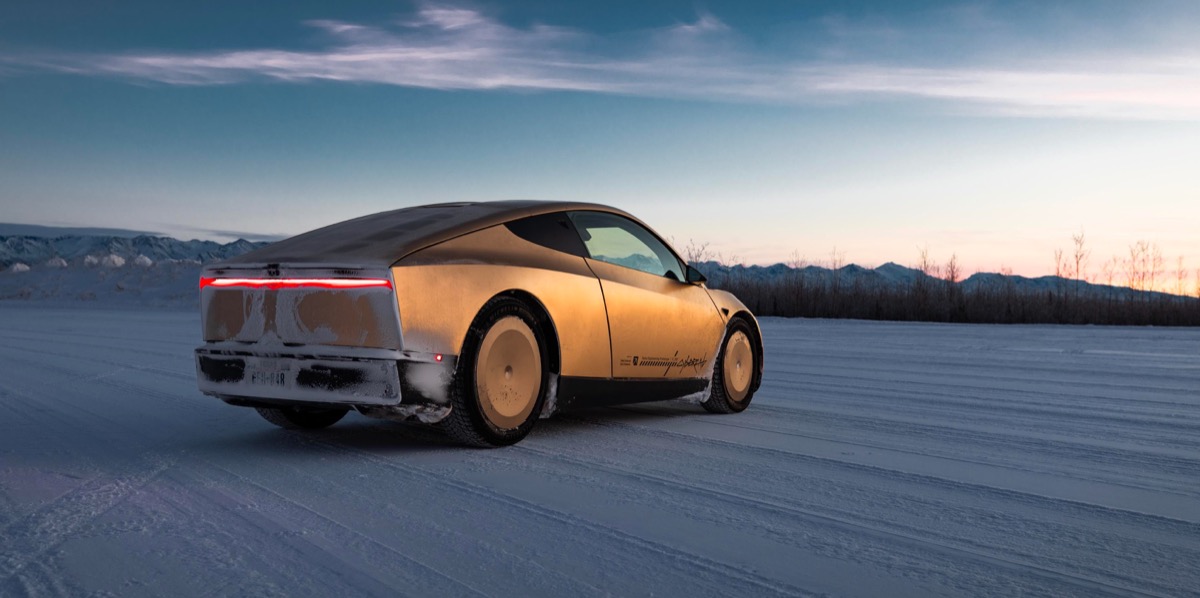
Tesla is currently embroiled in a legal battle over the Cybercab name with a French beverage company that managed to beat Elon Musk to the trademark office by just six days. The dispute arose after Musk announced the robotaxi name during a Tesla earnings call on April 23, 2024. Despite the public announcement, Tesla failed to file for the trademark immediately, allowing Jean-Louis Lentali, a Tesla shareholder and co-owner of a French wholesaler called UniBev, to file his own application for “Cybercab” in France on April 29. Tesla did not file its application until October, giving the French filing priority under international law and granting UniBev the rights to the name in the United States and abroad.
Tesla has since filed a 167-page complaint with the U.S. Patent and Trademark Office, accusing UniBev of being a “bad faith trademark squatter.” The electric car company’s legal team pointed out that UniBev has a history of acquiring Musk-related names, such as “Cybervan,” “Cyber Diner,” and even “Teslaquila Hard Seltzer.” The idea of a beverage maker releasing a drink called Cybercab seems unlikely and out of place.
Despite the ongoing legal dispute, Tesla is gearing up for the mass production of the Cybercab, set to begin this April, with sales expected later in the year. However, if the trademark conflict goes to trial, a final decision may not be reached until 2027. While Tesla has secured backup trademarks for “Cybercar” and “Cybervehicle,” the company appears determined to stick with the Cybercab branding.
UniBev has until April 19 to respond to Tesla’s complaint. If a settlement is not reached, Elon Musk may find himself launching a vehicle without technically owning the rights to the name in the U.S. market.
In other news, the Royal Canadian Mounted Police (RCMP) in Burnaby, British Columbia, has begun testing the fully electric 2024 Chevrolet Blazer EV as its newest patrol vehicle. This move aligns with the RCMP’s commitment to sustainability and reducing emissions in law enforcement operations.
Additionally, Tesla has announced free Supercharging across its network in Saudi Arabia, the United Arab Emirates, and Qatar to support drivers during a period of regional uncertainty. This temporary perk is aimed at providing convenience and peace of mind to Tesla owners in the Middle East.
Furthermore, Tesla is solidifying its partnership with LG Energy Solution to establish a $4.3 billion battery plant in Michigan, set to launch in 2027. This facility will produce lithium iron phosphate (LFP) cells for Tesla’s energy storage business, strengthening the company’s domestic battery supply chain.
As developments continue to unfold in the electric vehicle and renewable energy sectors, Tesla remains at the forefront of innovation and sustainability, despite facing challenges such as the trademark dispute over the Cybercab name.