
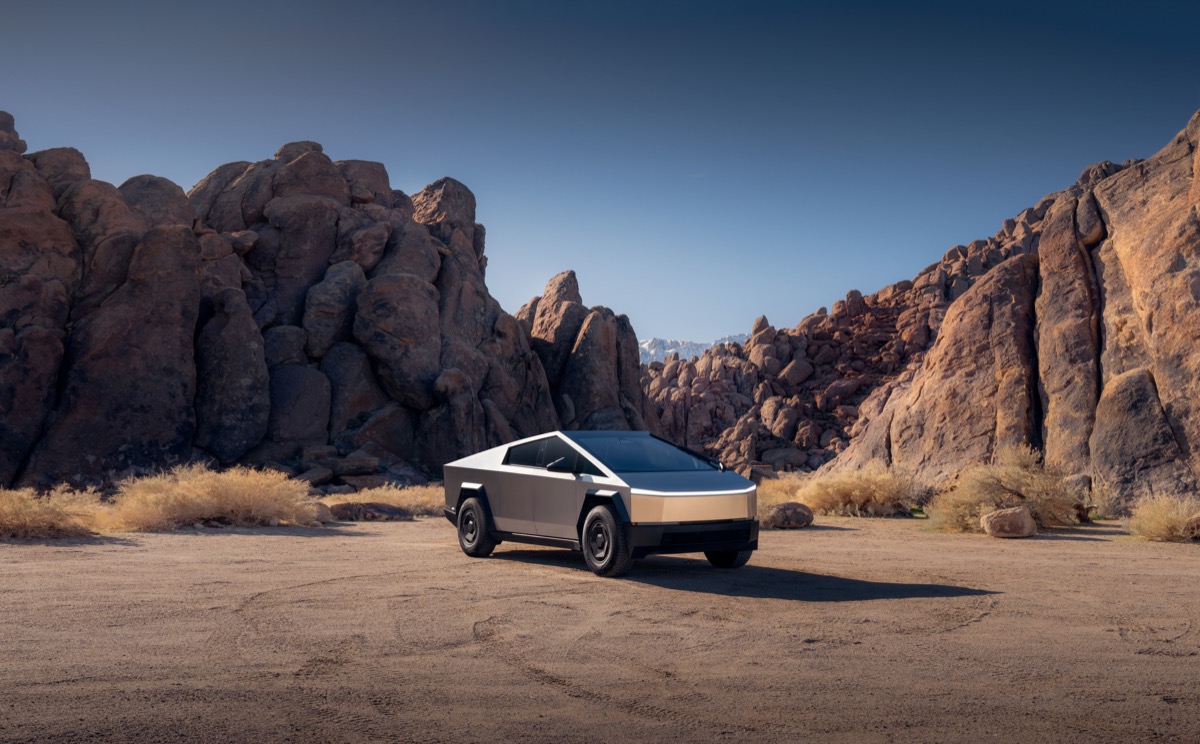
Tesla CEO Elon Musk is currently embroiled in a legal battle with Houston driver Justine Saint Amour over a dramatic highway crash in August 2025 involving her Cybertruck. Saint Amour claims that the vehicle’s Autopilot system failed to navigate a curve on the 69 Eastex Freeway, causing it to head straight for a concrete barrier. She alleges that the steering was unresponsive during the crisis, leading to herniated discs and nerve damage. Additionally, the lawsuit accuses Tesla’s board of negligent hiring regarding Musk’s leadership and his decision to rely on cameras instead of LiDAR sensors.
In response to the lawsuit, Musk took to social media today, March 18, 2026, to defend Tesla’s technology. He cited internal vehicle data showing that the driver disengaged Autopilot four seconds before the crash, shifting the blame back to Saint Amour. While Saint Amour maintains that the technology was at fault, Tesla’s telemetry suggests otherwise, with the manual override occurring before the impact.
The case will now proceed to court, where the reliability of Tesla’s crash logs will be closely scrutinized. This legal battle highlights the ongoing debate surrounding autonomous driving technology and the responsibility of both drivers and manufacturers in ensuring road safety.
In other Tesla news, the company has recently rolled out an anti-dooring safety feature for the Cybertruck. This new update is designed to protect cyclists and pedestrians from dooring accidents by using the vehicle’s external cameras to monitor blind spots. The feature is now available on the Cybertruck, joining the Model 3 and Model Y in offering this standard safety specification.
Furthermore, a new report from BloombergNEF reveals that the global shift towards electric transportation is significantly reducing the demand for oil. In 2025, the adoption of electric vehicles helped avoid the consumption of 2.3 million barrels of oil per day. As fuel prices remain volatile due to conflicts in the Middle East, the economic and environmental benefits of electric vehicles continue to grow.
Additionally, the Royal Canadian Mounted Police (RCMP) in Burnaby, British Columbia, has expanded its electric vehicle fleet by testing the Chevrolet Blazer EV for patrol purposes. This high-performance SUV is part of the RCMP’s efforts to transition towards more sustainable and eco-friendly vehicles for law enforcement duties.
Overall, these developments underscore the ongoing advancements in electric mobility and the importance of safety and sustainability in the automotive industry. Tesla and other manufacturers continue to innovate and improve their technologies to meet the growing demand for electric vehicles worldwide.