
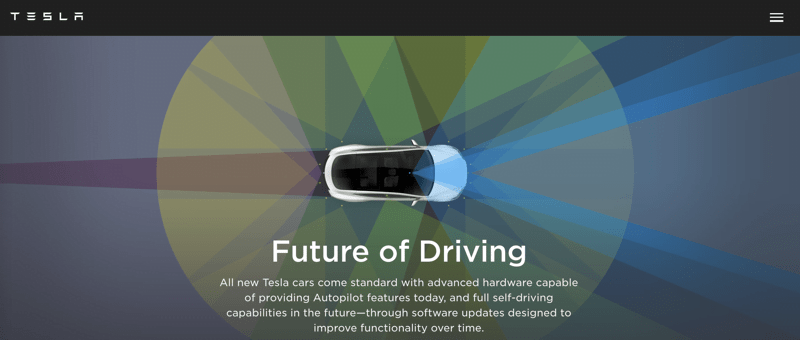
A recent ruling by a Florida federal court has upheld a massive $242.5 million verdict against Tesla in connection with a tragic 2019 crash that resulted in the death of a woman and severe injuries to a man. The court denied Tesla’s request to overturn the jury’s decision, effectively bringing an end to a high-profile legal battle over the safety of the company’s Autopilot system.
The case stemmed from an incident in Key Largo, where George McGee was driving his 2019 Tesla Model S on Autopilot and collided with a parked vehicle, causing it to hit pedestrians Naibel Benavides Leon and Dillon Angulo. Tragically, Benavides Leon lost her life in the crash, while Angulo sustained life-altering injuries. The jury found Tesla liable for a defective design and failure to adequately warn drivers about the system’s limitations.
Tesla had sought a new trial, arguing that the verdict lacked reliable expert evidence and that the company had provided sufficient warnings to users. However, Judge Beth Bloom dismissed these claims, stating that they were essentially the same arguments Tesla had made previously. She affirmed that the evidence presented during the trial supported the jury’s decision and concluded that justice did not warrant a new trial or judgment in Tesla’s favor.
The total award includes approximately $42.5 million in compensatory damages and $200 million in punitive damages. This ruling represents a significant setback for Tesla as it grapples with increasing legal challenges related to its driver-assistance technology in North America.
In other news, Tesla’s push towards a fully autonomous future took a tangible step forward at its Gigafactory Texas, where production-ready versions of the Cybercabs were recently spotted without steering wheels. This development underscores Tesla’s commitment to innovative technology and the advancement of autonomous driving capabilities. Additionally, the Federal Communications Commission (FCC) approved Tesla’s wireless charging technology for the Cybercab, signaling a potential shift away from traditional plug-in charging methods.
Furthermore, Tesla continues to dominate the electric vehicle market, with the Model 3 and Model Y securing the top two positions in the latest J.D. Power EV Satisfaction Study. Despite market fluctuations and the expiration of federal tax credits, Tesla’s commitment to quality and customer satisfaction remains unwavering.
Overall, these developments underscore Tesla’s ongoing evolution as a leader in the automotive industry, while also highlighting the challenges and legal complexities that accompany the rapid advancement of autonomous driving technologies.