
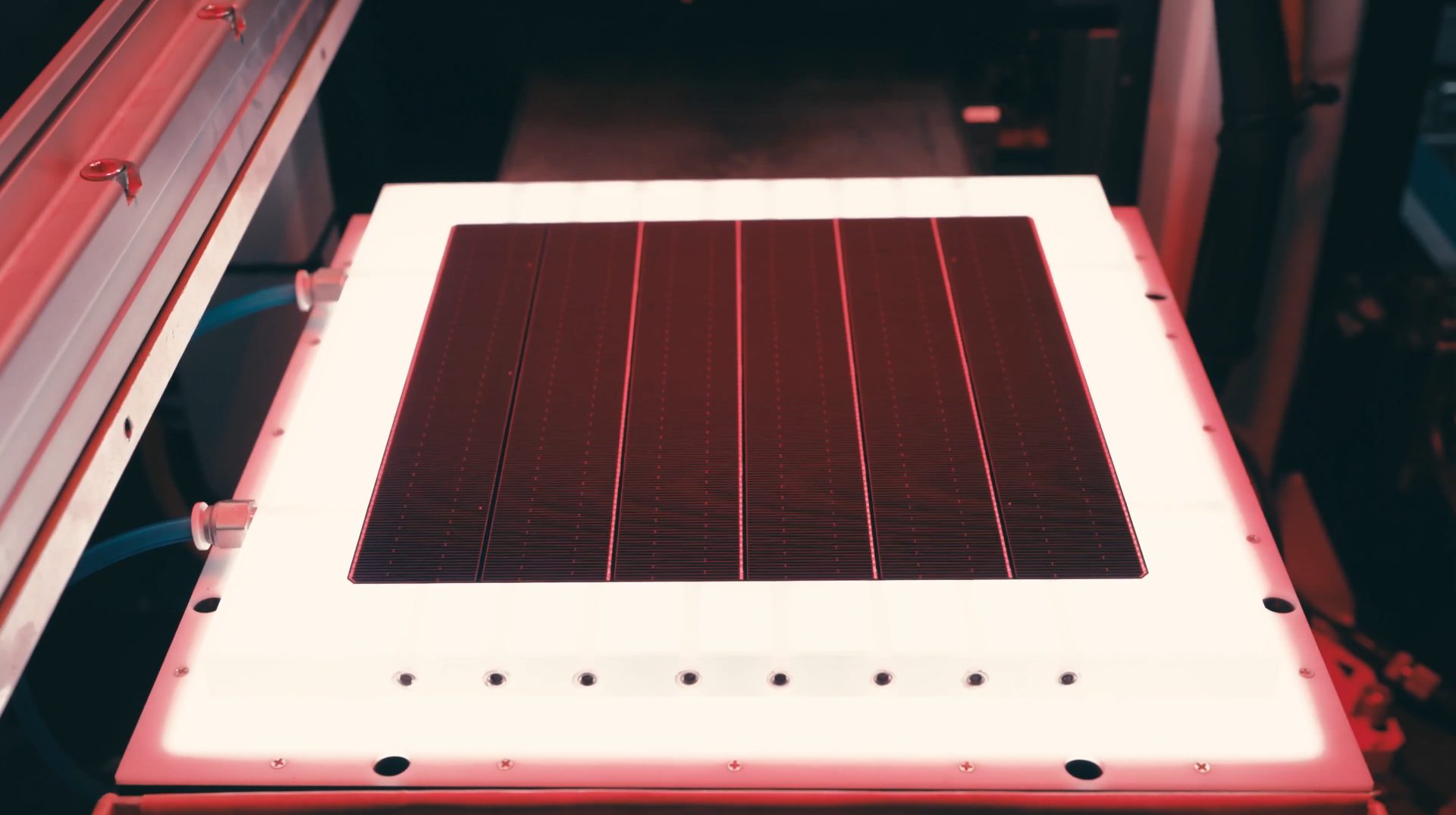
Tesla is making big moves in the solar industry, with plans to expand production at its Giga New York facility in Buffalo. The company is set to increase its solar module capacity to 300 megawatts per year, a significant shift from relying on third-party manufacturers in the past.
By bringing production in-house, Tesla gains more control over its supply chain and can take advantage of federal manufacturing incentives for domestic production. This move aligns with Tesla’s recent unveiling of new U.S.-made solar panels that promise faster installation times and improved performance.
The new panels deliver 420 watts of power and utilize cascading cell technology from Tesla’s Solar Roof, reducing energy losses from partial shading. Paired with a sleek all-black design, these panels are not only efficient but also visually appealing.
In addition to the panels, Tesla has introduced a new Panel Mount system that eliminates traditional rails and clamps, making installation quicker and requiring fewer roof penetrations. This innovation addresses a major pain point in residential solar installation and aims to make solar more accessible and cost-effective for homeowners.
Producing these panels in Buffalo not only supports Tesla’s growing installer network but also complements its home energy ecosystem, which includes Powerwall 3, inverters, and energy software. This integrated approach allows homeowners to easily access and manage their energy needs under one roof.
The timing of Tesla’s expansion in Buffalo is strategic, as the company’s energy division continues to perform strongly, posting record profits quarter after quarter. With increasing demand for products like Megapack, Powerwall, and now faster-to-install solar panels, scaling up production at Giga New York positions Tesla to capture a larger share of the residential and small commercial solar market.
If Tesla successfully ramps up production to meet and exceed the 300 MW annual capacity, Buffalo could once again play a key role in the company’s clean energy strategy. This expansion not only benefits Tesla but also contributes to the growth of the solar industry in the U.S.