
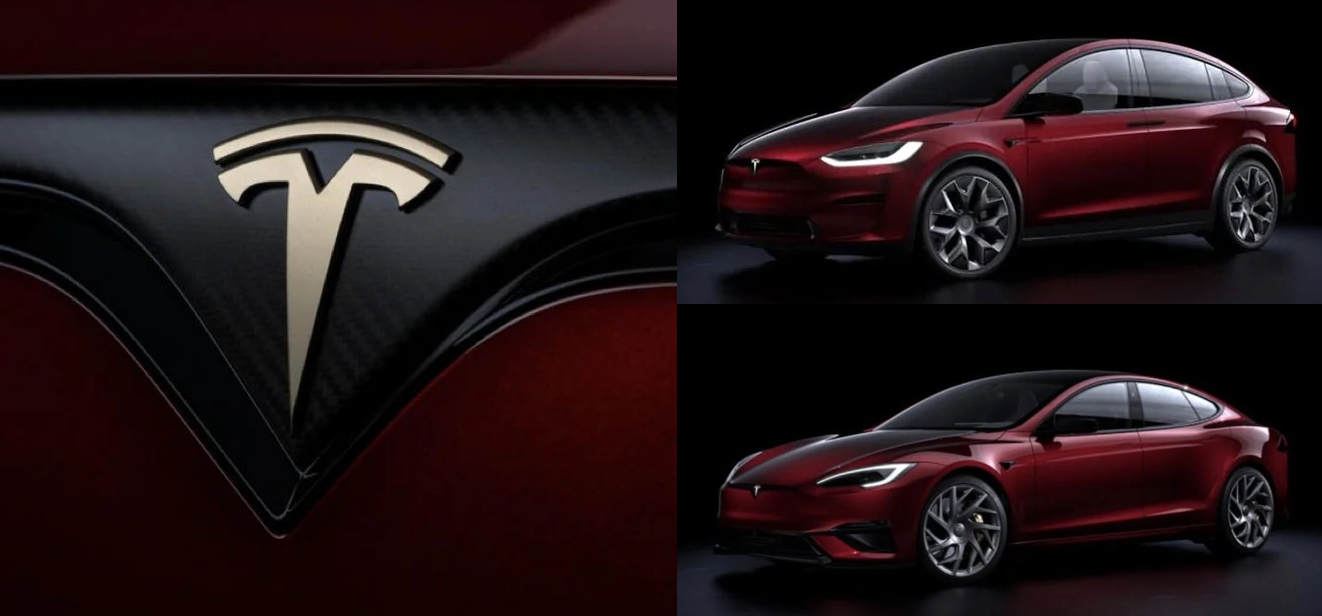
Tesla has made waves in the automotive industry once again with the unveiling of a limited-run “Signature Edition” for the Model S and Model X. This special edition marks the final chapter for Tesla’s flagship sedan and SUV, offering a unique opportunity for select customers to own a piece of automotive history.
According to details shared with a few lucky customers on Saturday morning, the Signature Edition models will feature exclusive design elements and upgrades that set them apart from the standard models. From unique paint colors to special badging and interior enhancements, these vehicles are sure to turn heads wherever they go.
The Signature Edition Model S and Model X will also come equipped with the latest technology and features that Tesla has to offer. From advanced autopilot capabilities to cutting-edge infotainment systems, these vehicles are designed to provide an unparalleled driving experience for their lucky owners.
In addition to the exclusive design and technology upgrades, the Signature Edition models will also come with a host of premium services and benefits. This includes priority access to Tesla’s Supercharger network, concierge service and maintenance, and special events and experiences reserved only for Signature Edition owners.
Tesla enthusiasts and collectors alike are eagerly awaiting the opportunity to get their hands on one of these limited-edition vehicles. With only a small number of units available, competition is sure to be fierce as customers vie for the chance to own a piece of Tesla history.
Overall, the unveiling of the Signature Edition Model S and Model X represents a fitting end to an era for Tesla’s flagship vehicles. With their exclusive design, cutting-edge technology, and premium services, these vehicles are sure to be a coveted addition to any automotive enthusiast’s collection. The automotive industry is continuously evolving, with new technologies and innovations being introduced every year. One of the latest trends in the industry is the development of self-driving cars, also known as autonomous vehicles. These vehicles have the ability to operate without human intervention, using various sensors and technologies to navigate the roads safely.
Self-driving cars are expected to revolutionize the way we commute, offering a safer and more convenient driving experience. With the rise of accidents caused by human error, autonomous vehicles have the potential to significantly reduce the number of road accidents and fatalities. They are designed to follow traffic rules and regulations with precision, making them less likely to be involved in accidents.
In addition to safety benefits, self-driving cars also offer increased efficiency and convenience. They can communicate with other vehicles on the road, allowing for smoother traffic flow and reduced congestion. This can lead to shorter commute times and decreased fuel consumption, ultimately benefiting the environment.
Many major automotive companies, such as Tesla, Google, and Uber, are investing heavily in the development of self-driving cars. These companies are conducting extensive research and testing to ensure the safety and reliability of autonomous vehicles. However, there are still challenges to overcome, such as regulatory issues and public acceptance.
Regulatory bodies are still in the process of developing laws and regulations to govern the use of self-driving cars. There are concerns about liability and insurance in the event of accidents involving autonomous vehicles. Additionally, there is a need to address ethical dilemmas, such as how self-driving cars should prioritize the safety of passengers versus pedestrians in emergency situations.
Public acceptance is another hurdle that the automotive industry must overcome. Many people are hesitant to trust autonomous vehicles, fearing that they may not be as safe or reliable as human drivers. Building trust and confidence in self-driving cars will be crucial in their widespread adoption.
Despite these challenges, the future of self-driving cars looks promising. As technology continues to advance and improve, autonomous vehicles have the potential to revolutionize the way we travel. With their safety, efficiency, and convenience benefits, self-driving cars are poised to become an integral part of our daily lives in the near future.