
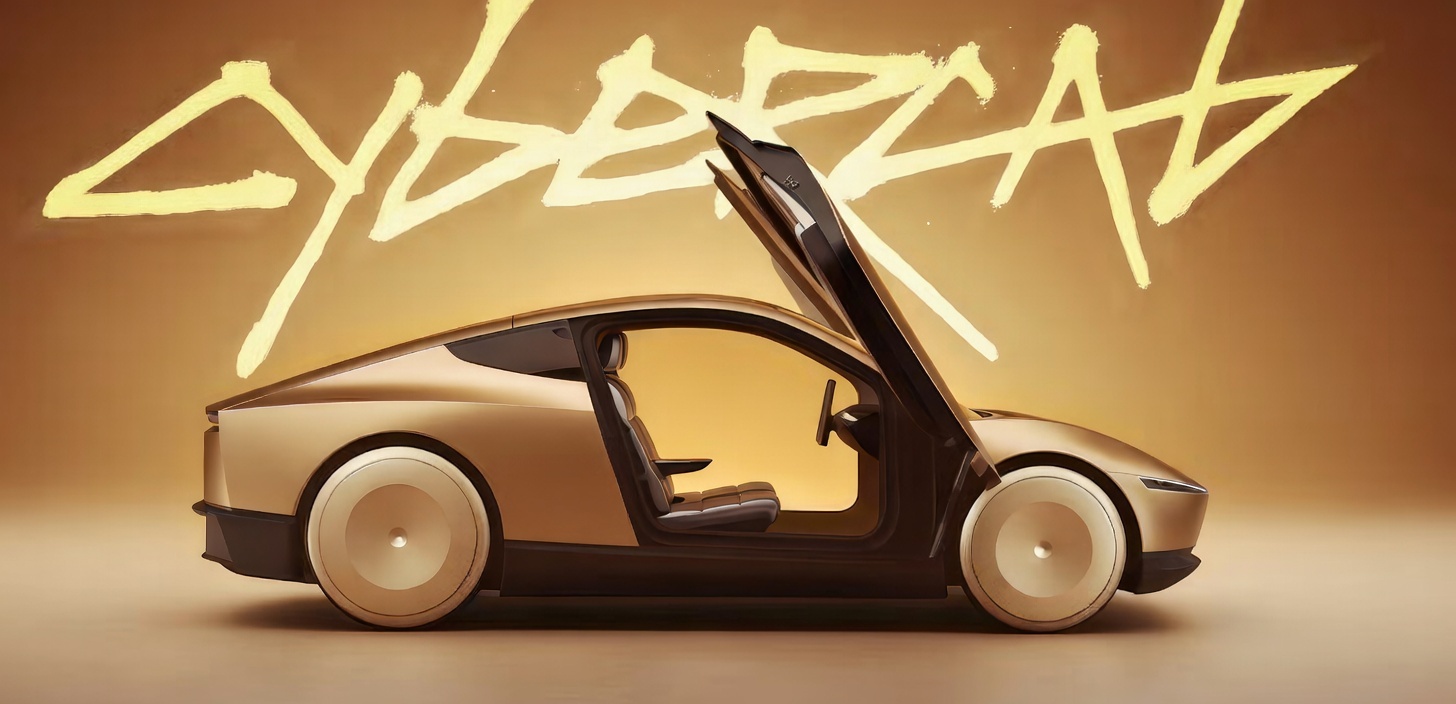
The French beverage company UniBev caught Tesla off guard last year when it hurriedly registered the ‘CYBERCAB’ name as a trademark with the United States Patent and Trademark Office (USPTO).
UniBev secured the ‘CYBERCAB’ trademark shortly after Tesla’s Robotaxi unveiling event, ‘We, Robot,’ at Warner Bros. Studios. This move surprised the Tesla team, who later discovered that the French company had claimed the trademark.
It seems that UniBev’s owners are looking to capitalize on this trademark by seeking a financial offer from Tesla. However, instead of acquiescing to this demand, Tesla decided to challenge UniBev’s registration of the Cybercab name with the USPTO Trademark Trial and Appeal Board (TTAB).
According to the opposition document published on the USPTO website, Tesla filed its opposition to the Cybercab trademark on February 18th. The USPTO then sent a notice of Tesla’s challenge and trial date to UniBev on February 24th, with a response due from UniBev regarding Tesla’s opposition.
It’s worth noting that UniBev is primarily a beverage company with no intentions of launching a vehicle named Cybercab. However, they also hold trademarks for Teslaquila, Cybertaxi, and Cyberquad. This pattern suggests that UniBev is strategically squatting on Tesla-related trademarks in hopes of striking a deal with the electric automaker.
Tesla, under the leadership of CEO Elon Musk, is not one to give in to such tactics. As a result, the company has taken legal action to challenge UniBev’s claim to the Cybercab trademark.
UniBev now has 60 days to respond to the USPTO’s notice of Tesla’s opposition. Failure to do so could result in the cancellation and re-assignment of the trademark to Tesla, Inc.
In its opposition filing, Tesla cited the Cybertruck word and design marks as the basis for challenging UniBev’s registration of the Cybercab trademark. Tesla argued that UniBev acquired the trademark in bad faith, with the intention of extorting the automaker.
Tesla is already in the process of producing the Cybercab robotaxi at Giga Texas, with plans to commence mass production in April 2026. The company aims to deliver the first $30,000 or less Cybercab to a customer before 2027, making it crucial to resolve the trademark dispute promptly.
To safeguard its brand in the future, Tesla has filed for additional ‘Cyber’ trademarks. The company’s proactive approach indicates its commitment to protecting its intellectual property rights.
As the legal battle between Tesla and UniBev unfolds, it remains to be seen how the trademark dispute will be resolved. Tesla’s opposition filing sheds light on the company’s stance against bad faith trademark squatting and underscores its determination to defend its brand integrity.
For more updates on Tesla and the Cybercab trademark dispute, follow us on Google News, Flipboard, Twitter, WhatsApp Channel, and RSS (Feedly).