
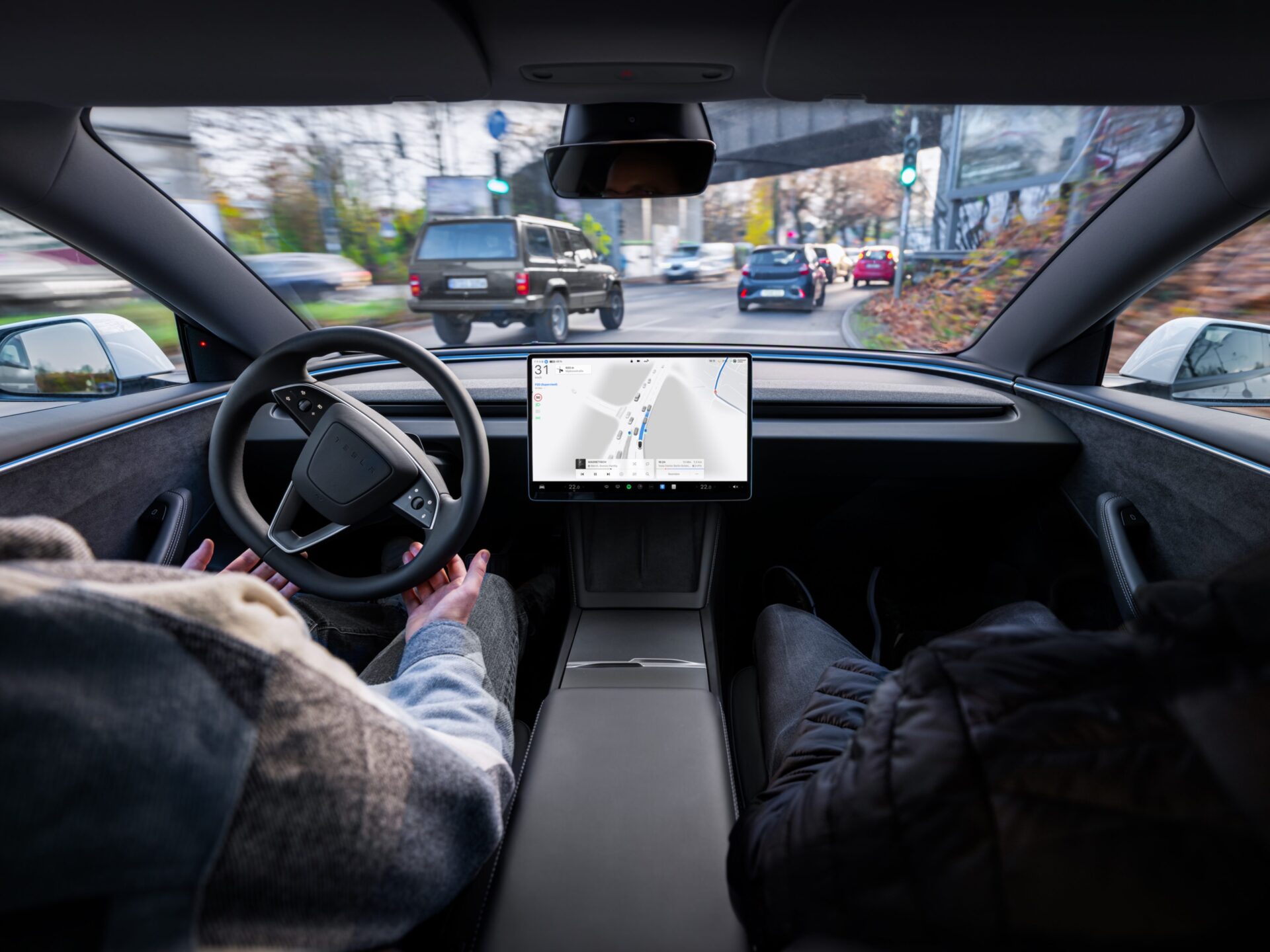
Tesla has made a significant change to its Full Self-Driving (FSD) offering in North America. After more than nine years of allowing customers to purchase FSD as a one-time software upgrade, the company has decided to shift to a subscription-only model. This move comes as no surprise, as Tesla has officially discontinued the $8,000 upfront purchase option for FSD in the U.S.
Going forward, Tesla’s advanced driver assistance system will only be available through a monthly subscription priced at $99 or a yearly subscription priced at $999. This decision marks the end of a controversial pricing model that has faced criticism over the years for the perceived mismatch between pricing and capability.
The transition to a subscription-only model aligns with Tesla’s software-first strategy. As of the fourth quarter of 2025, over 1.1 million Tesla owners have either purchased or subscribed to FSD (Supervised). This demonstrates the central role that FSD plays in Tesla’s long-term roadmap. CEO Elon Musk has hinted that the subscription price may increase as FSD improves, especially with the introduction of an unsupervised version in the future.
Interestingly, Tesla has decided to keep the Luxe Package available for the Model S, Model X, and Cybertruck Cyberbeast. The $15,000 bundle includes FSD, lifetime Supercharging, free lifetime Premium Connectivity, and four years of Premium Service. With the production of the Model S and Model X set to end soon, Tesla may be aiming to maintain higher average selling prices and margins by offering this package to buyers.
It remains unclear how long the Luxe Package will be available, but for customers who prefer to “own” FSD outright along with bundled perks, this may be the only option available. Tesla seems to be following a similar strategy globally, with the one-time FSD purchase option set to disappear in Australia on March 31, 2026, and likely in other regions as well.
In conclusion, Tesla’s shift to a subscription-only FSD future is now officially underway. This move reflects the company’s commitment to software updates and enhancements as it continues to push the boundaries of autonomous driving technology. The COVID-19 pandemic has brought about significant changes in the way we live and work. With many businesses forced to close their doors or operate at reduced capacity, the global economy has experienced a major shake-up. One sector that has been particularly hard hit is the travel industry.
Travel restrictions, border closures, and fears of contracting the virus have led to a sharp decline in travel worldwide. Airlines have grounded planes, hotels have shuttered their doors, and tourist attractions have been left empty. The impact of the pandemic on the travel industry has been devastating, with many businesses facing an uncertain future.
One of the biggest challenges facing the travel industry is the uncertainty surrounding when travel will return to normal. With the situation constantly evolving and government guidelines changing frequently, it is difficult for businesses to plan for the future. This has led to widespread job losses and financial struggles for many companies in the travel sector.
In response to the crisis, many businesses have had to adapt quickly in order to survive. Airlines have implemented new health and safety measures, such as requiring passengers to wear masks and increasing cleaning protocols. Hotels have introduced contactless check-in and enhanced cleaning procedures to reassure guests that their health and safety is a top priority.
Despite these efforts, the road to recovery for the travel industry is likely to be long and challenging. Consumer confidence in travel has been shaken, and many people are hesitant to book trips until the situation improves. In addition, the economic impact of the pandemic has left many people with less disposable income to spend on travel.
While the future of the travel industry may seem uncertain, there are reasons to be optimistic. As vaccines are rolled out and the number of COVID-19 cases decreases, travel is likely to rebound. People have a natural desire to explore new places and experience different cultures, and the pent-up demand for travel is expected to drive a strong recovery once the pandemic is under control.
In the meantime, businesses in the travel industry must continue to adapt and innovate in order to survive. This may involve diversifying their offerings, targeting new markets, or investing in technology to improve the customer experience. By staying agile and responsive to changing circumstances, businesses in the travel industry can position themselves for success in a post-pandemic world.