
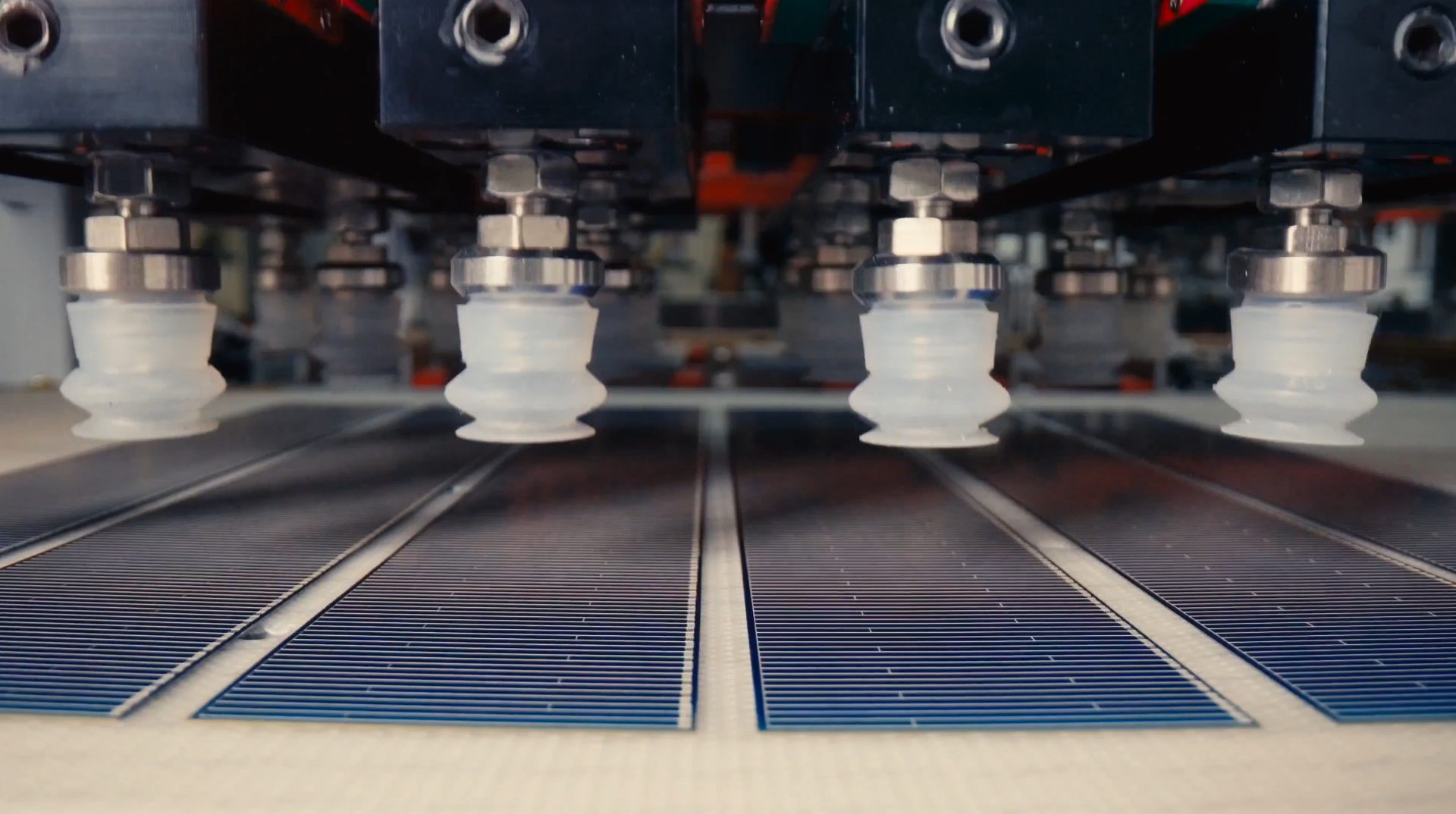
Tesla and SpaceX are both on a hiring spree, looking for engineers to help achieve their goal of producing 100 gigawatts of solar capacity per year in the United States. This ambitious target is part of Elon Musk’s vision for a sustainable future.
SpaceX, in particular, is actively recruiting engineers for various roles related to AI-powered satellites and orbital data centers. Positions are available in solar, automation, manufacturing, mechanical, electrical, optics, and software engineering at SpaceX facilities in Austin and Seattle. The company is also seeking “elite engineers” for its new 230 MeV cyclotron facility in Florida, which will aid in single-event radiation testing to accelerate development across its launch vehicles.
On the other hand, Tesla is ramping up its hiring efforts for solar manufacturing capacity in the U.S. Vice President of Powertrain and Energy Engineering, Bonne Eggleston, announced on LinkedIn that the company is looking to build 100 GW of solar manufacturing capacity and is encouraging qualified engineers to apply. This hiring push aligns with Musk’s recent statements about scaling solar production domestically.
Scaling up solar output to such a level will require not only talent but also significant physical infrastructure. This could mean establishing new factories, expanding production lines, or setting up new manufacturing campuses across the U.S. Tesla has already hinted at new U.S.-made solar panels designed to speed up installation time by 33%, as production increases.
For SpaceX, solar manufacturing is crucial for its ambitions in orbit. As the company works towards AI-powered satellite constellations and space-based data centers, reliable energy generation becomes essential. By building this capability in-house on U.S. soil, Musk’s companies can have better control over cost, supply chains, and long-term scaling.
With hiring underway for solar, AI, manufacturing, and advanced testing facilities, Tesla and SpaceX are laying the groundwork for one of the most aggressive clean energy manufacturing pushes in the U.S. This move signifies a commitment to sustainability and innovation in the renewable energy sector.