
Volkswagen’s Unified EV Cell Format Revolutionizes Battery Design
- New cell-to-pack design reduces costs and enhances performance
- Enables simplified EV construction and potential for lighter vehicles
- Opens doors for increased range, energy density, and versatile chemistries
- Accommodates various chemistries including LFP, NMC, solid-state, and sodium-ion
Volkswagen is taking a bold step towards electrification with its unified EV battery cell format. This innovative approach is set to redefine the way electric vehicles are built, offering a host of benefits across VW’s lineup including Audi, Cupra, and other brands. The transition to this new cell format signifies a significant shift towards efficiency and performance in the EV space.

Current MEB battery pack layout
Moving Beyond Modules: The Future of VW EVs
VW’s MEB EV platform, including popular models like the ID.4 and ID.Buzz, is evolving towards a cell-to-pack battery design. This innovative layout promises greater energy density and reduced weight, setting the stage for enhanced performance and efficiency in upcoming electric vehicles.

Current MEB battery pack layout with module-to-pack

Battery pack layout with cell-to-pack
Enhancing Range and Efficiency in MEB Models
With the new unified cell format, VW is aiming for longer packs with significantly higher energy content. This advancement could lead to extended range capabilities in models like the ID.Buzz, catering to the growing demand for long-distance electric vehicles.

2025 Volkswagen ID.Buzz
Driving Innovation and Affordability in EV Technology
VW’s unified cell format not only promises performance gains but also cost savings, making electric vehicles more accessible to a wider audience. By streamlining battery systems and cells, VW is paving the way for competitive pricing and enhanced performance in the EV market.
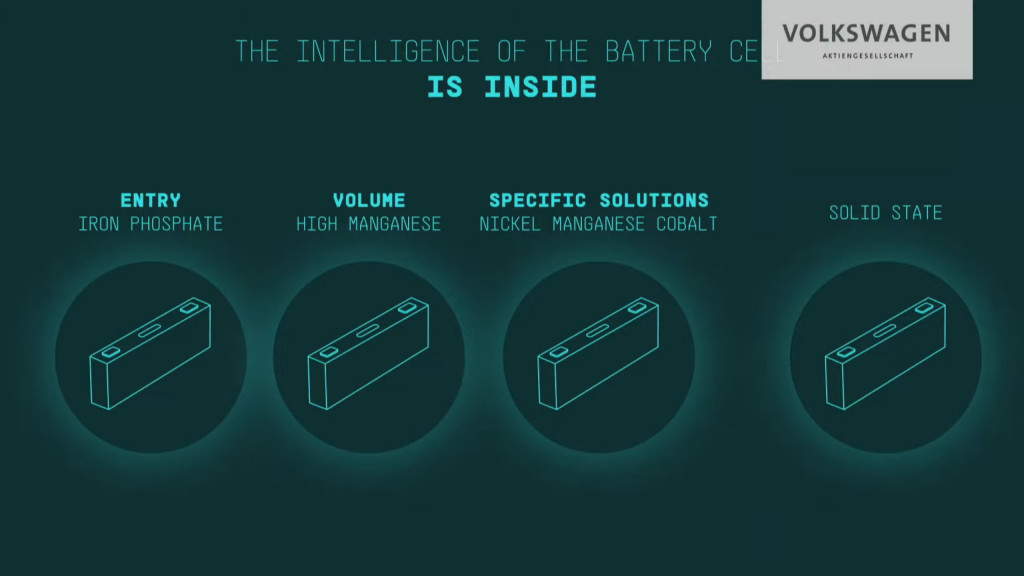
VW Power Day – battery types
Embracing Versatile Chemistries for Future EVs
The unified cell format allows VW to explore diverse chemistries, including NMC, LFP, solid-state, and sodium-ion. This flexibility sets the stage for next-generation battery technologies, offering a glimpse into the future of electric mobility.

VW unified cell format
Transforming Vehicle Architecture with SSP and SDV
VW’s Scalable Systems Platform (SSP) and software-defined vehicle approach are reshaping the future of vehicle architecture. By integrating cell-to-body technology, VW is pushing the boundaries of EV design and performance, setting a new standard for the automotive industry.
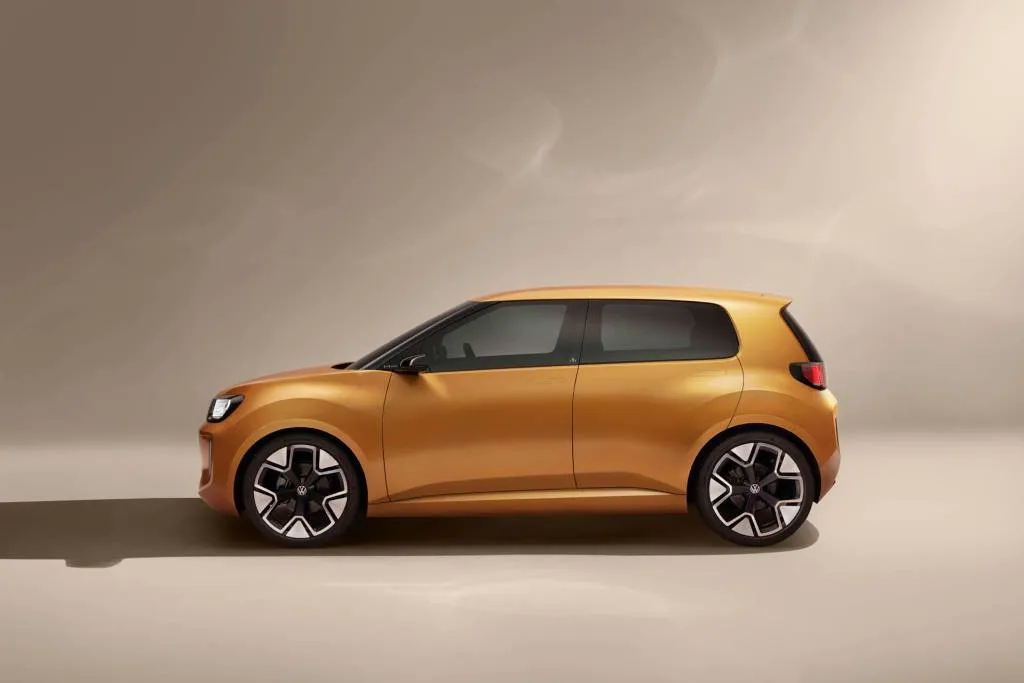
Volkswagen ID.Every1
With a relentless focus on innovation and sustainability, Volkswagen is poised to lead the charge towards a greener, more efficient future. The integration of unified cell technology represents a significant milestone in VW’s electrification journey, promising improved performance, affordability, and environmental impact in the realm of electric vehicles.