
Elon Musk has made a groundbreaking move in the tech and space industries by merging SpaceX with xAI, his artificial intelligence startup. This acquisition signifies Musk’s commitment to advancing AI beyond Earth and marks a significant step towards creating a vertically-integrated innovation engine that spans across various sectors.
SpaceX officially announced the merger, which was previously hinted at in business filings. The combined entity, now known as K2 Merger Sub 2, reflects Musk’s interest in civilization-level energy and intelligence, as well as Tesla’s recent $2 billion investment in xAI. With SpaceX also investing $2 billion in xAI last year, the collaboration between the two companies is poised to revolutionize the future of AI and space technology.
The merger is more than just a corporate consolidation; it represents a strategic move towards creating a comprehensive platform that encompasses AI, rockets, space-based internet, direct-to-mobile device communications, and a real-time information and free speech platform. SpaceX envisions a future where orbital data centers powered by solar energy will revolutionize AI capabilities, enabling scalable solutions that are essential for the advancement of civilization.
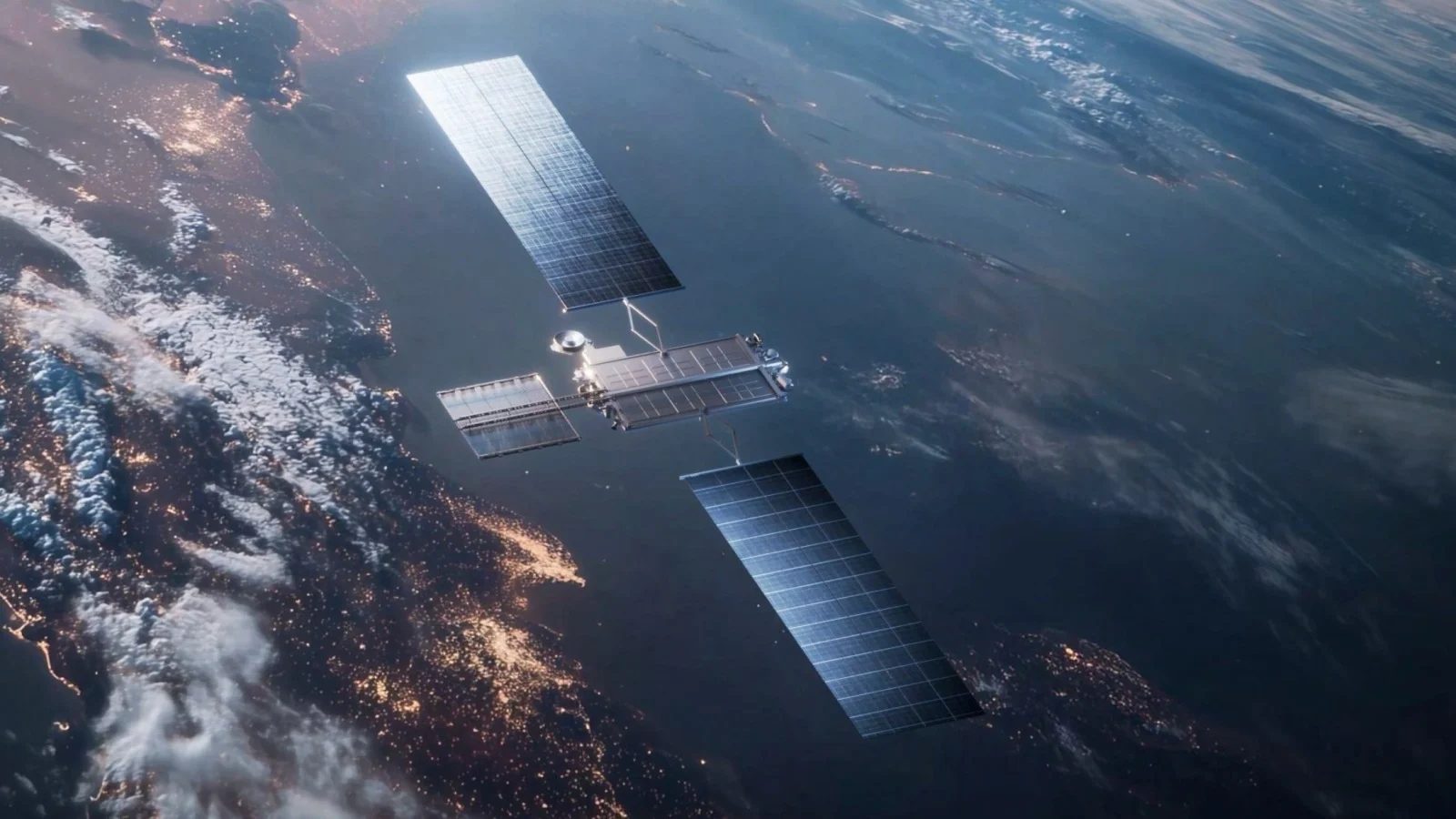
Central to this vision is SpaceX’s plan to launch a constellation of a million satellites that will serve as orbital data centers. By leveraging xAI’s expertise and resources, SpaceX aims to become a Kardashev II-level civilization capable of harnessing the Sun’s power and supporting AI-driven applications for billions of people. This ambitious plan underscores Musk’s belief that space-based AI is the key to unlocking humanity’s potential and ensuring a multi-planetary future.
The success of this endeavor hinges on SpaceX’s Starship, a spacecraft capable of launching massive payloads into orbit on a frequent basis. With the ability to deliver millions of tons to orbit annually, SpaceX envisions a future where space-based data centers will be the most cost-effective way to generate AI compute capacity. Musk predicts that within a few years, space-based data centers will become the norm, paving the way for self-growing bases on the Moon, a civilization on Mars, and ultimately, expansion into the Universe.
As SpaceX and xAI merge to form a unified entity, questions arise about the possibility of SpaceX’s long-awaited IPO. While the future of the newly formed company remains uncertain, one thing is clear: Musk’s vision extends beyond AI, rockets, and satellites. He is laying the groundwork for the next phase of civilization itself, where space-based technology will play a central role in shaping humanity’s future.