
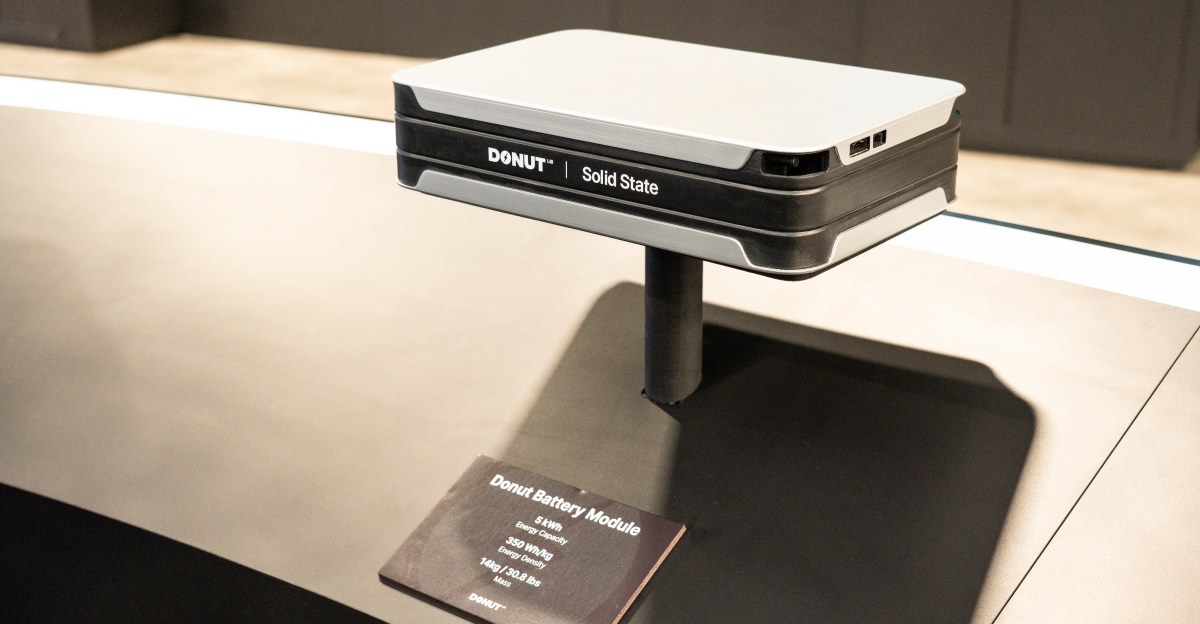
The recent tests conducted by researchers at Finland’s VTT Technical Research Centre on Donut Lab’s solid-state battery have provided valuable insights into its performance under extreme conditions. During the heat tests, the vacuum seal of the battery pouch was compromised, leading to a series of tests to determine the battery’s functionality and safety.
Three tests were conducted: a baseline test of five cycles at 1C, a high-stress test of 50 cycles at 5C, and a final baseline test of five cycles at 1C to measure degradation. The results showed a significant drop in energy capacity, efficiency, and an increase in the pack’s thickness. Despite the damage sustained by the pack, the battery demonstrated a graceful failure mode, avoiding the risk of fire or thermal runaway commonly associated with conventional lithium-ion batteries.
Donut Lab emphasized that their battery can continue to operate safely at reduced capacity even when damaged, highlighting its resilience and safety features. However, the tests also revealed the limitations of the battery under damaged conditions, raising questions about its long-term performance and durability.
The company has yet to undergo an accelerated aging procedure to evaluate the battery’s long-term performance and safety. Additionally, independent verification of the claimed energy density of 400 watt-hours per kilogram has not been sought, leaving some uncertainties about the battery’s true capabilities.
As more information becomes available, including feedback from independent experts, a clearer picture of Donut Lab’s solid-state battery technology will emerge. Stay tuned for updates on the company’s progress and the potential impact of its innovative battery technology.