
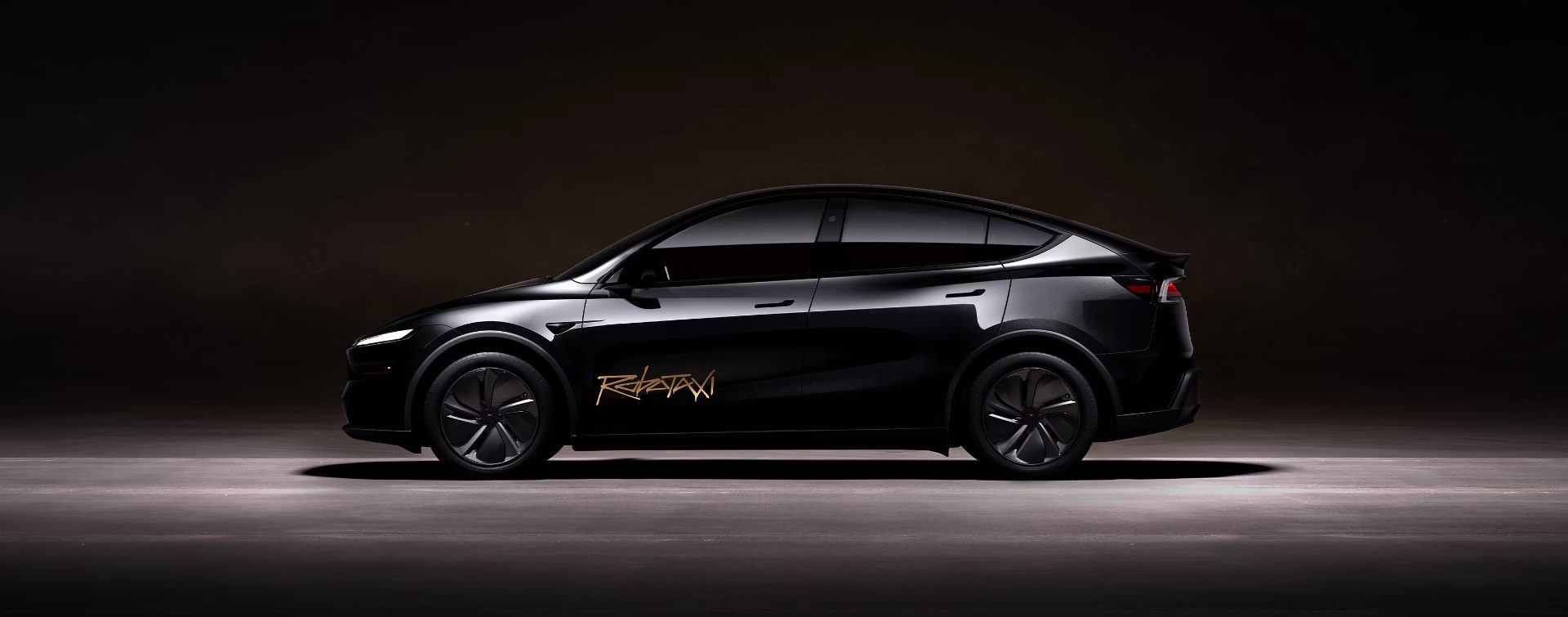
Samsung has recently secured a deal to supply 5G modem chips to Tesla, marking a significant milestone as the South Korean tech giant enters the automotive connectivity market for the first time. The partnership will see Samsung’s 5G modems initially deployed in Tesla Robotaxis operating in Texas, with plans for broader integration across additional Tesla models in the future.
This collaboration further solidifies the relationship between Tesla and Samsung, with the latter already supplying AI4 chips for Tesla’s current vehicles. Last year, Tesla and Samsung announced that the tech giant would manufacture Tesla’s next-generation AI6 autonomous driving chips in its U.S.-based fabs. With the addition of 5G modems to their portfolio, Samsung is now positioned as a key supplier for both computing and connectivity components in Tesla’s upcoming vehicles.
According to sources cited by The Elec, Samsung System LSI has completed the development of an automotive-grade 5G modem and is currently undergoing testing. Initial supply is expected to commence in the first half of the year, with Samsung customizing the modem to meet Tesla’s stringent requirements for durability and longevity in automotive applications.
Tesla’s shift from Qualcomm to Samsung for modem chips aligns with the company’s broader strategy to reduce reliance on Chinese and Taiwanese supply chains, particularly for vehicles manufactured in the U.S. The push towards an “Out of China, Out of Taiwan” approach has gained traction amid geopolitical tensions in the region, prompting Tesla to diversify its supply chain partners.
The decision to engage Samsung for 5G modems is also strategic, as Tesla’s upcoming AI6 chips will be produced by the tech giant in the U.S. This move follows a $16.5 billion production agreement announced by Elon Musk last summer, indicating a growing partnership between Tesla and Samsung in the semiconductor space.
For Samsung, the deal signifies a foray into the automotive sector beyond smartphones, presenting opportunities for future collaborations with other automakers. Tesla, on the other hand, stands to benefit from reliable high-speed connectivity for its fleet operations, including Robotaxis that rely on constant data access for maps, updates, and overall performance.
Overall, the partnership between Tesla and Samsung highlights the importance of seamless connectivity in the future of autonomous driving, while underscoring the significance of strategic supplier relationships in the automotive industry. As technology continues to evolve, collaborations like these pave the way for innovation and advancement in the mobility sector.