
What to Expect at CES 2026
As we dive deeper into CES 2026, it’s clear that the focus is shifting towards the integration of artificial intelligence and robotics into the automotive industry. With the rise of “physical AI,” we are seeing a new era of cars that are not just vehicles, but intelligent machines capable of interacting with their environment in a more human-like way.
General Motors, in particular, has been at the forefront of this trend, showcasing technologies such as eyes-off Super Cruise and in-car AI assistants. The goal is to create vehicles that are not just means of transportation, but personal robots that can assist us in our daily lives. Imagine a car that can pick up your dry cleaning or run errands for you while you’re at work.
But the shift towards physical AI is not just about convenience—it’s also about safety and efficiency. By integrating advanced AI, cutting-edge chipsets, lidar, radar, and improved batteries, car manufacturers are aiming to create a new generation of vehicles that are smarter, safer, and more sustainable.
While the concept of physical AI may seem like something out of a sci-fi movie, it’s actually becoming a reality faster than we think. The automotive industry is evolving rapidly, and CES 2026 is just the beginning of a new era of intelligent, autonomous vehicles.
So, as we walk the halls of CES and marvel at the latest innovations in automotive technology, let’s remember that the future is already here. The cars of tomorrow are not just machines—they are intelligent beings that are reshaping the way we think about transportation. And with physical AI leading the way, the possibilities are endless.
Stay tuned for more updates from CES 2026 as we explore the cutting-edge technologies that are shaping the future of mobility. The future is here, and it’s more exciting than ever.
The upcoming CES event is set to be an exciting showcase of the latest innovations in the automotive industry, with Jensen Huang, the CEO of Nvidia, headlining the event. Nvidia has established itself as an automotive powerhouse, and Huang’s presence at the event is sure to draw a lot of attention.
One of the highly anticipated debuts at the show is the Afeela brand from Sony Honda Mobility. The joint venture will unveil updates on its first model, the Afeela 1, which is now being presented as a pre-production model. Additionally, they will showcase an all-new concept model, generating excitement among attendees.
Waymo, owned by Alphabet, will also be present at the event, with speculations about potential announcements regarding expansions to new cities. China’s Geely Auto will also have a presence, alongside BMW showcasing the Neue Klasse EV platform and the new iX3 model. Mercedes-Benz will not be left behind, as they plan to debut the GLC-Class electric SUV at the show.
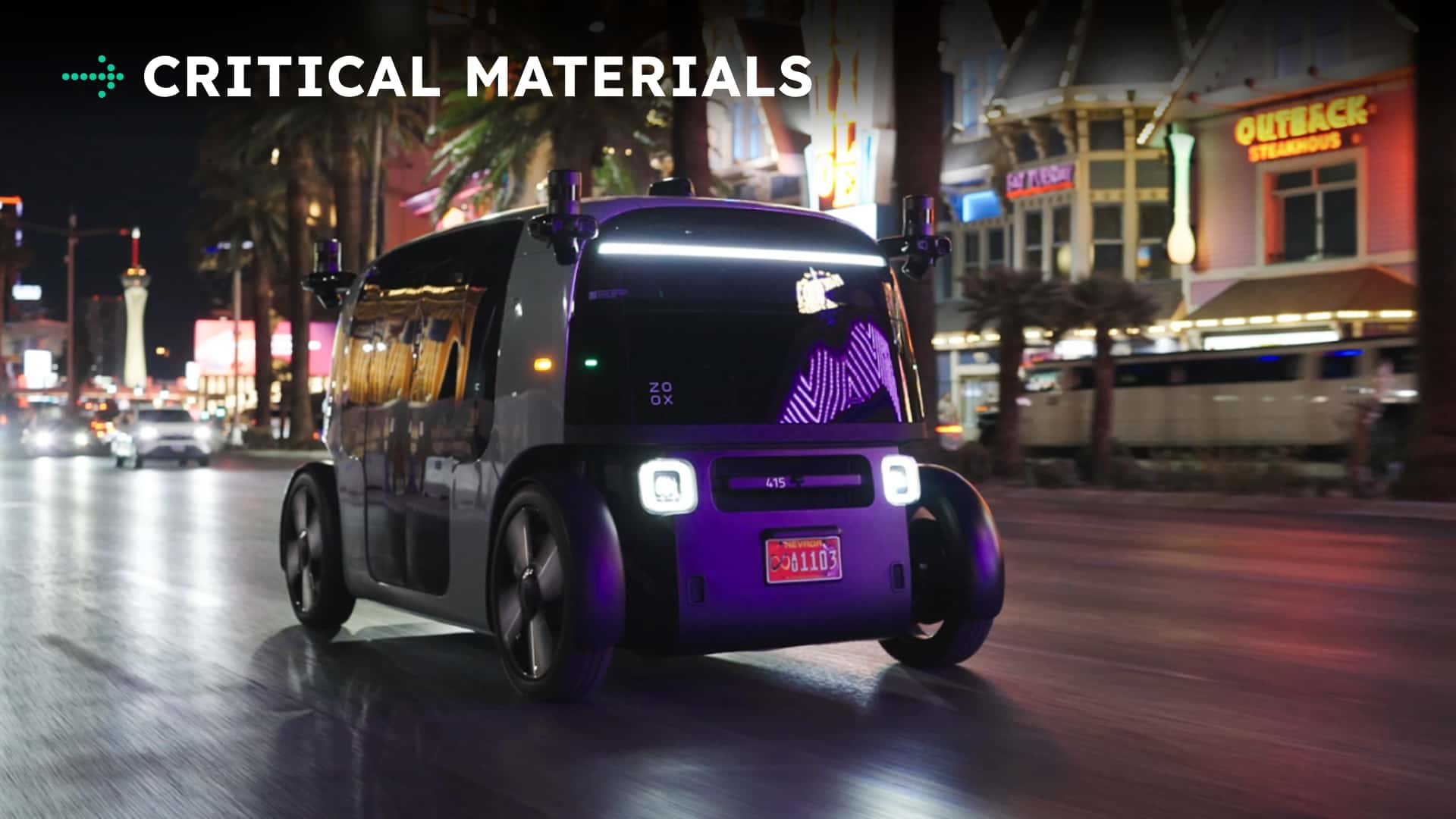
One of the highlights of the event is the Zoox robotaxis that are now operational in Las Vegas. These steering-wheel-free taxis are a sight to behold and are expected to be fully operational soon, offering a glimpse into the future of autonomous transportation.
Hyundai is another key player at the event, aiming to showcase a futuristic vision that goes beyond just cars. With a focus on robotics and AI, Hyundai is expected to leverage its ownership of Boston Dynamics to showcase cutting-edge technologies that could revolutionize various industries.
Overall, the CES event promises to be an exciting platform for automotive enthusiasts and industry professionals to witness the latest advancements in technology and innovation. With a lineup of impressive debuts and showcases, the event is sure to leave a lasting impact on the future of mobility. But what does this mean for the average consumer? How will this shift to AI-driven robotics impact the cars we drive every day?
The fully electric Atlas robot from Hyundai represents a significant advancement in robotics technology. By replacing hydraulic actuation with advanced electric systems, the Atlas is capable of more precise motion, including joints that can rotate a full 360 degrees. This level of flexibility and precision opens up a world of possibilities for applications beyond traditional manufacturing processes.
What sets the Atlas apart is its use of reinforcement learning, a form of artificial intelligence that allows the robot to learn and refine its movements through trial and error. This dynamic approach to motion control stands in contrast to fixed, pre-programmed systems, allowing the robot to adapt and improve over time.
Hyundai’s plans to expand its AI robotics ecosystem through the Software-Defined Factory model demonstrate a commitment to integrating AI technologies across all aspects of manufacturing. By leveraging AI robotics, vehicles, logistics, and software, Hyundai aims to become a comprehensive provider of robotic solutions, from development to deployment.
But how will this cutting-edge technology translate to the automotive industry? The potential applications are vast, ranging from automated assembly lines to advanced driver assistance systems in vehicles. Imagine a future where your car is not just a mode of transportation, but a fully autonomous robot capable of driving itself, performing maintenance tasks, and even interacting with other vehicles on the road.
While the idea of a car as a robot may seem far-fetched, the rapid pace of technological advancement in the automotive industry suggests that this future may not be as distant as we think. As carmakers continue to invest in AI-driven robotics, we can expect to see more integration of intelligent systems in our vehicles, transforming the way we drive and interact with our cars.
So, how do you feel about the prospect of your car becoming a robot? Are you excited about the potential for increased safety, efficiency, and convenience, or do you have concerns about the implications of AI-driven automation in the automotive industry? The future of transportation is evolving rapidly, and it’s up to us to decide how we want to embrace and shape this new era of automotive innovation.